.png)
 10 hours ago
12
10 hours ago
12
Article content
In a podcast interview last year with the Canadian Bar Association, Joyal acknowledged this as an “asymmetrical” policy, as no other Manitoba litigants had special dispensation to perform cultural rituals in the courtroom.
Article content
But he justified their continuance as “unique and special and deserving of an asymmetrical approach when it comes to Indigenous law and traditions.”
Article content
In that same interview, Joyal said Canadian courts must “make space for Indigenous law and legal orders,” and not let “liberal neutrality” get in the way.
Article content
“If we are moving, as I believe we are and should, to a tri-jural system, it’s not fair, and it’s not rational to try to compare so literally and so symmetrically the arguments about liberal neutrality with respect to what we owe our Indigenous community,” he said.
Article content
In a 2024 speech, Joyal told a meeting of First Nations leaders at Manitoba’s Building Safer Communities conference that courts were not acknowledging the “lived realities” of Indigenous people, and called for their powers to be increasingly devolved to First Nations communities.
Article content
Article content
“Many would argue the courts are not using the discretionary powers to apply a greater sensibility and understanding of the lived realities of Indigenous Manitobans, and I think that is a fair statement,” he said.
Article content
In that same speech, Joyal would outline the province’s outsized rates of Indigenous incarceration, framing them not as a downstream effect of higher criminality, but as the result of system failure and a lack of trust between First Nations people and the legal system.
Article content
“The solutions really lie with a greater assumption of control and jurisdiction in your communities,” he said, while urging courts to incorporate a “greater appreciation and use of Indigenous legal orders, legal practices in communities, and legal knowledge.”
Article content
Joyal has been most praised in conservative circles for his oft-expressed view that Canadian judges are exceeding their mandate, and increasingly ruling on issues best left to legislatures.
Article content
This view reportedly got Joyal rejected as a potential Supreme Court pick in 2019, despite being recommended by then justice minister Jody-Wilson Raybould.
Article content
Article content
Sources told The Canadian Press at the time that prime minister Justin Trudeau objected to a speech given by Joyal in which the judge had decried “the ‘constitutionalizing’ of more and more political and social issues into fundamental rights.”
Article content
But in his 2025 podcast interview with the Canadian Bar Association, Joyal came out against the idea of judges remaining neutral or impartial when it came to Indigenous issues.
Article content
“If we’re seen as too passive, too remote, too detached, for example, on the issue of judicial reconciliation, we risk the very public confidence that those judges who want to retain their impartiality and judicial independence are trying to protect,” he said.
Article content
Article content
IN OTHER NEWS
Article content
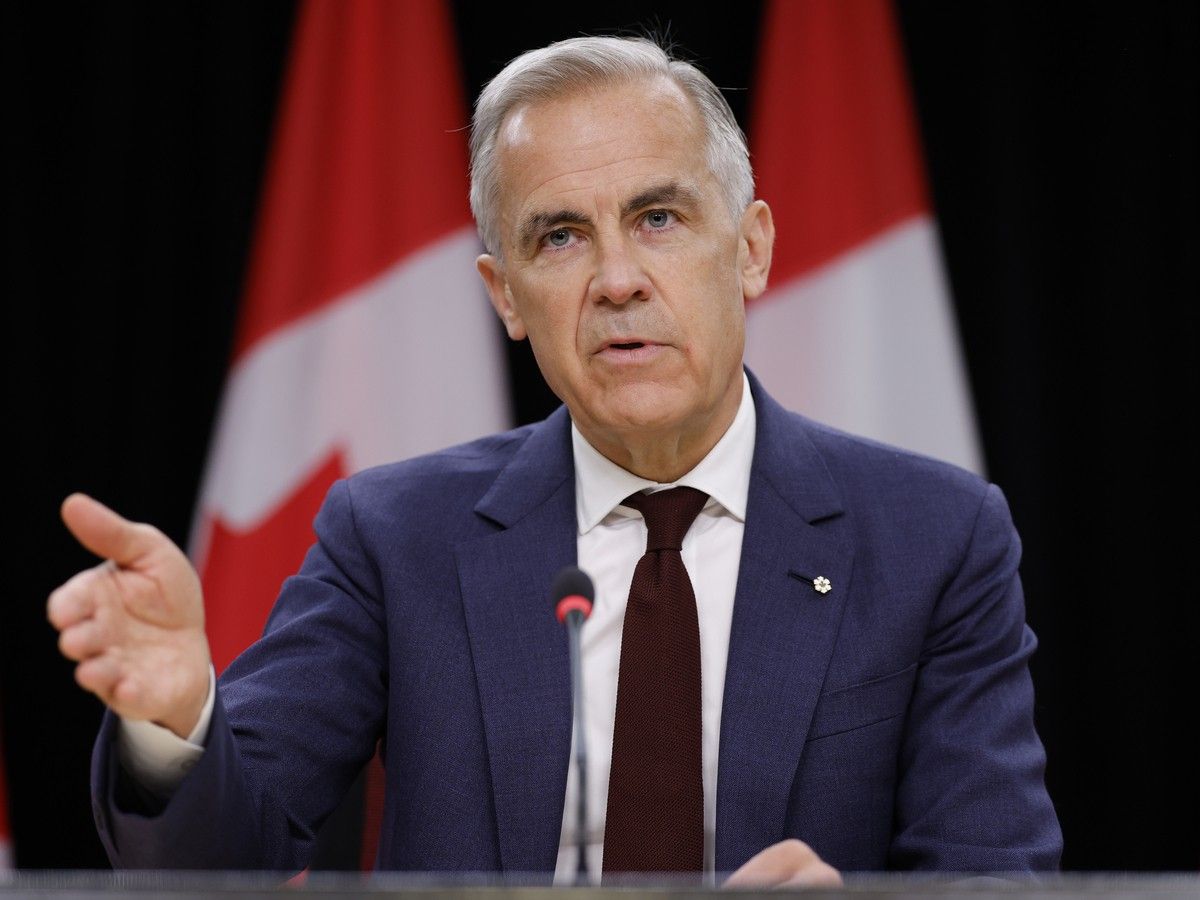
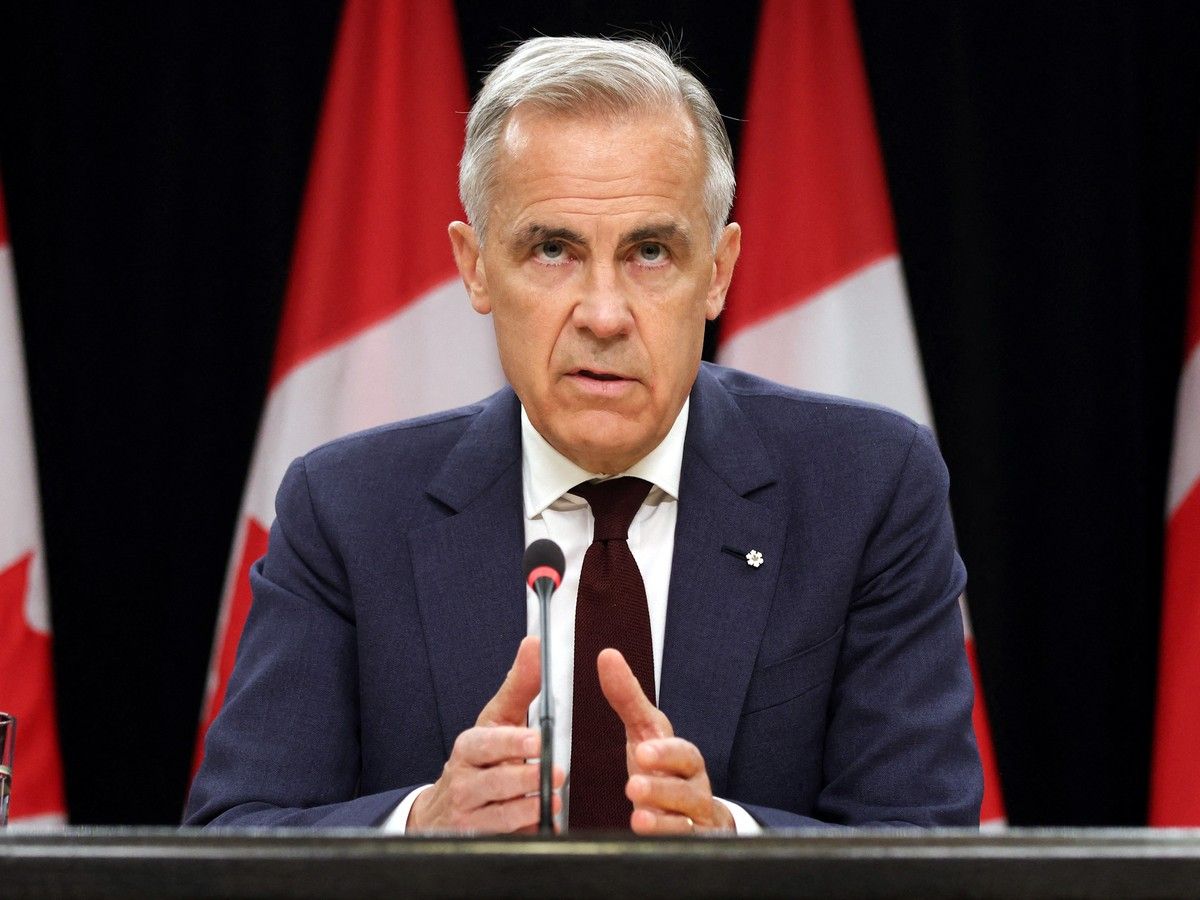
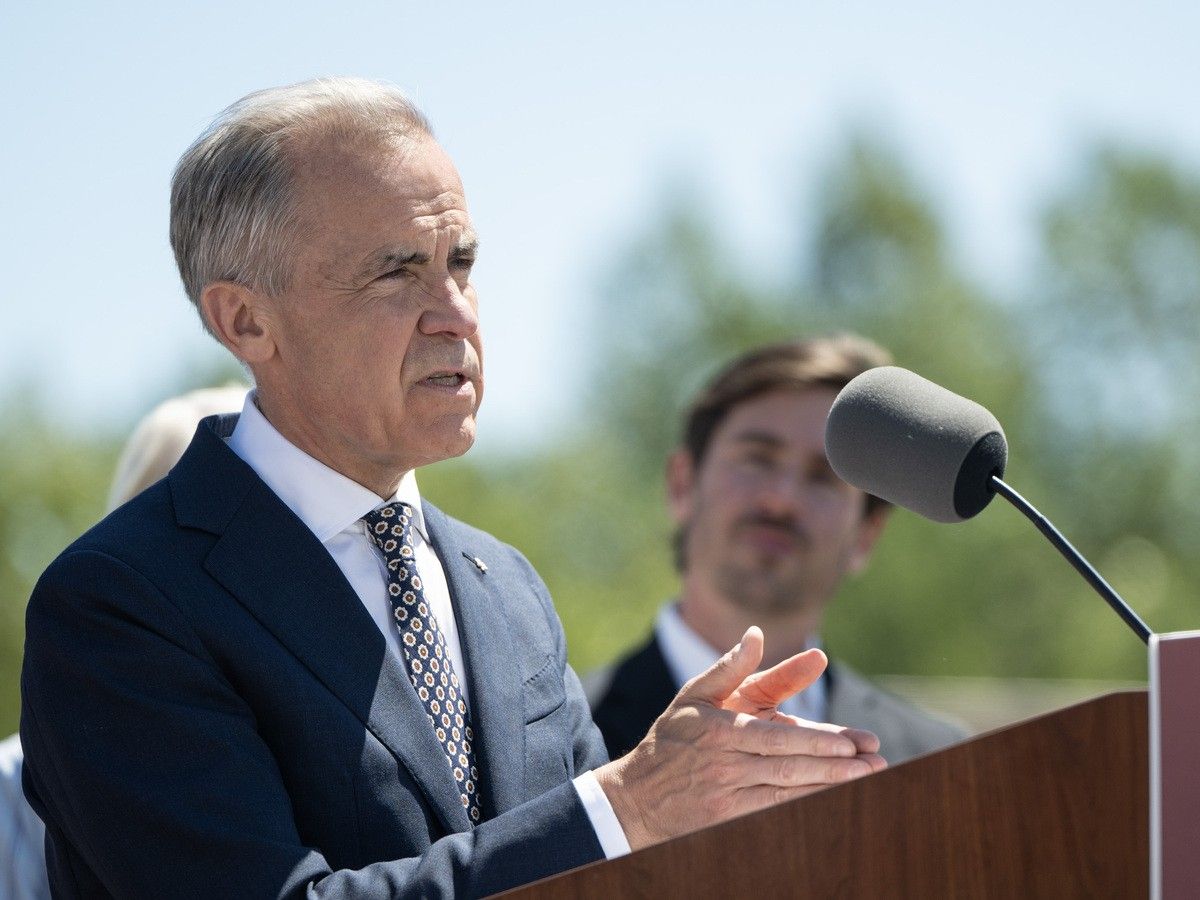
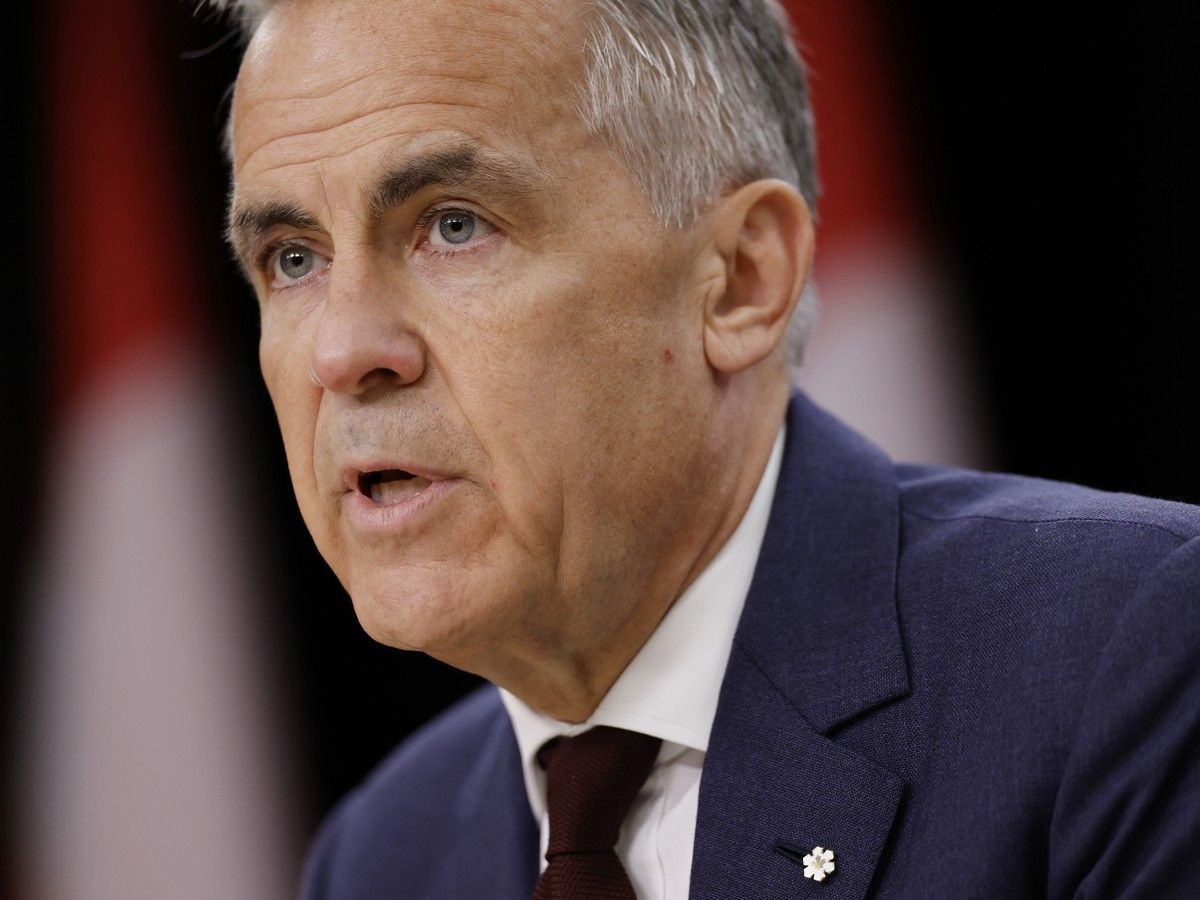
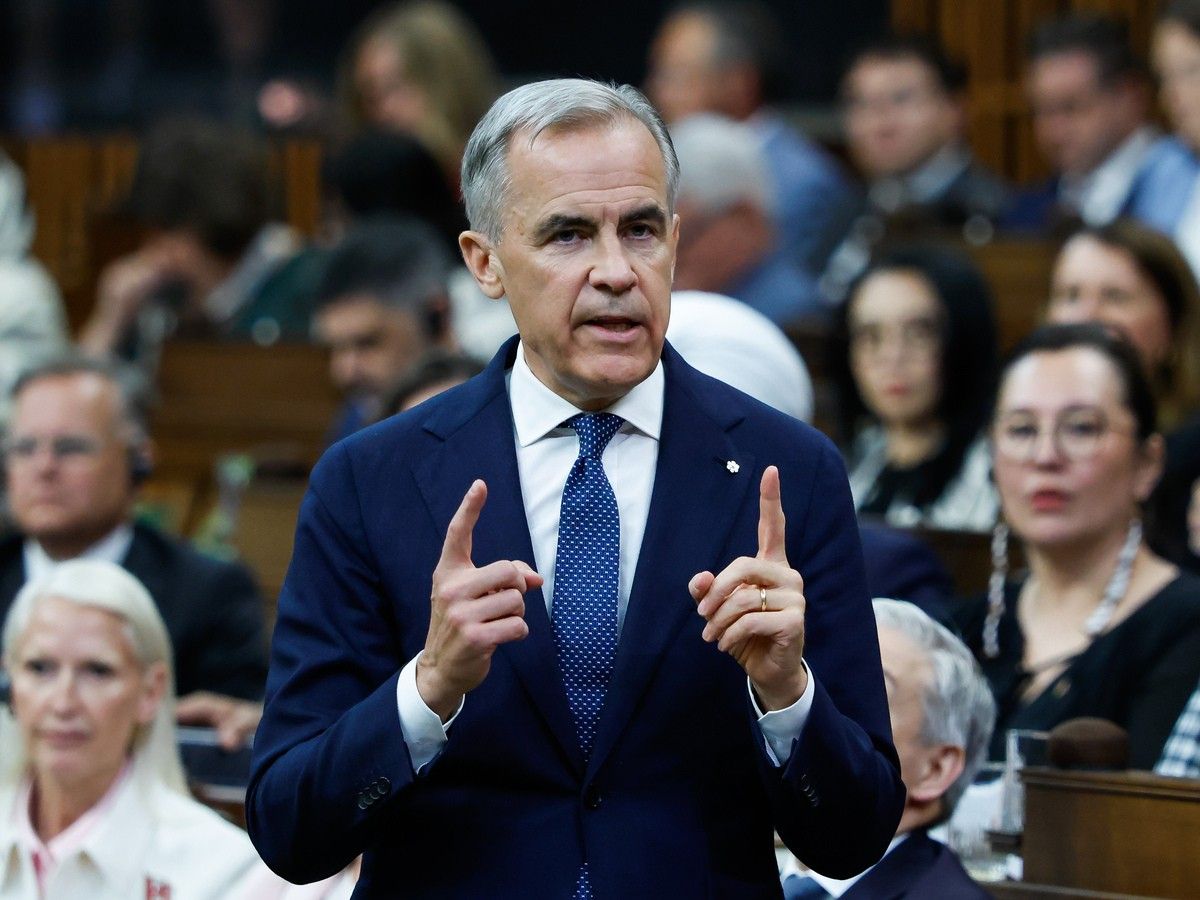
Prime Minister Mark Carney’s condo “bailout” could well prove to be the most unpopular thing he has done to date, with the decision drawing fire everywhere from the hardline new leader of the B.C. Conservatives to one of the more left-wing members of the NDP.
Article content
Last week, Carney announced the launch of the Canada-British Columbia Partnership on Condo Conversion, a federal program to buy up more than 2,000 tiny condos built at the peak of the real estate bubble that now aren’t selling due to a depressed market.


















/https%3A%2F%2Fsportsmole-media-prod.s3.gra.io.cloud.ovh.net%2Fuploads%2F2026%2F05%2Fscheffler-6a034d9fca412032057779.jpg)
/https%3A%2F%2Fsportsmole-media-prod.s3.gra.io.cloud.ovh.net%2Fuploads%2F2026%2F06%2Ficonsport-111147-0089-1-6a27d006a81d1227497324.jpg)
/https%3A%2F%2Fsportsmole-media-prod.s3.gra.io.cloud.ovh.net%2Fuploads%2F2026%2F06%2Fimago-xinhua-nestory-irankunda-celebrates-scoring-for-australia-in-the-world-cup-on-june-14-2026-6a2f348854d1b663111439.jpg)
 Bengali (BD) ·
  English (US) ·