.png)
 2 hours ago
10
2 hours ago
10
Some steps taken to deal with a massive taxpayer-funded expense.
Published Jul 01, 2026 • Last updated 17 minutes ago • 2 minute read
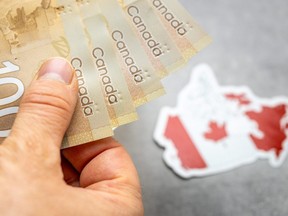
The law of unintended consequences as it applies to journalism is that sometimes a news outlet may produce a story it thinks supports the viewpoint it’s describing. The supporting documentation it provides, however, may make a stronger case to the contrary.
Advertisement 2

THIS CONTENT IS RESERVED FOR SUBSCRIBERS ONLY
Subscribe now to read the latest news in your city and across Canada.
- Unlimited online access to articles from across Canada with one account.
- Get exclusive access to the Toronto Sun ePaper, an electronic replica of the print edition that you can share, download and comment on.
- Enjoy insights and behind-the-scenes analysis from our award-winning journalists.
- Support local journalists and the next generation of journalists.
- Daily puzzles including the New York Times Crossword.
SUBSCRIBE TO UNLOCK MORE ARTICLES
Subscribe now to read the latest news in your city and across Canada.
- Unlimited online access to articles from across Canada with one account.
- Get exclusive access to the Toronto Sun ePaper, an electronic replica of the print edition that you can share, download and comment on.
- Enjoy insights and behind-the-scenes analysis from our award-winning journalists.
- Support local journalists and the next generation of journalists.
- Daily puzzles including the New York Times Crossword.
REGISTER / SIGN IN TO UNLOCK MORE ARTICLES
Create an account or sign in to continue with your reading experience.
- Access articles from across Canada with one account.
- Share your thoughts and join the conversation in the comments.
- Enjoy additional articles per month.
- Get email updates from your favourite authors.
THIS ARTICLE IS FREE TO READ REGISTER TO UNLOCK.
Create an account or sign in to continue with your reading experience.
- Access articles from across Canada with one account
- Share your thoughts and join the conversation in the comments
- Enjoy additional articles per month
- Get email updates from your favourite authors
Article content
A recent CBC sob story lamenting federal government cutbacks to mental health sessions for asylum seekers and refugee claimants is one such example.
Article content
Recommended Videos
Article content
On June 22, the state broadcaster reported that the federal government had introduced health co-payments for asylum seekers and refugee claimants this year. The story says the federal government also “quietly” introduced a 10-hour cap on mental health sessions for them.
“No cap previously existed, meaning both groups have lost a system of potentially unlimited mental health sessions, virtually overnight,” laments the article. Some might think open-ended mental health counselling for newcomers who may not have been approved to live in Canada is a bad thing. Others will laud the government for sensibly shutting the stable door on a massive taxpayer-funded boondoggle.
In a February report, the parliamentary budget officer estimated that the cost of the Interim Federal Health Program (IFHP), if unchanged, will soar to $1 billion in 2025-26 and skyrocket to $1.5 billion by 2029-30.
Advertisement 3
Article content
The news story quotes a person who received 100 hours of mental health counselling over 16 months after arriving from the Bahamas: “Being able to go to a mental health specialist, a therapist and just sit for an hour and express myself and vocalize my trauma and receive help, expanded for over a year — it was something I never had before.”
The Bahamas is a parliamentary democracy. Democracy watchdog Freedom House rates it as “free” and gives it 90 out of 100 points on the overall scale of liberty. While it’s true that gay marriage isn’t legal, that’s no different than where Canada was 25 years ago. So how does someone coming to Canada from the Bahamas qualify as a “refugee” or “asylum seeker?”
Once upon a time, if you came here from another democratic country, you were called an “immigrant.” You signed a declaration saying you wouldn’t be “a burden on society” — meaning you wouldn’t claim government benefits.
And you counted your blessings that the freest and best country in the world had opened its arms to you.
Read More

Article content

























/https%3A%2F%2Fsportsmole-media-prod.s3.gra.io.cloud.ovh.net%2Fuploads%2F2026%2F06%2Fimago-xinhua-nestory-irankunda-celebrates-scoring-for-australia-in-the-world-cup-on-june-14-2026-6a2f348854d1b663111439.jpg)

/https%3A%2F%2Fsportsmole-media-prod.s3.gra.io.cloud.ovh.net%2Fuploads%2F2026%2F06%2Fkyle-rodden-cal-sport-media-sipa-usa-ivory-coast-winger-yan-diomande-gestures-on-june-25-2026-6a417eae132a5831825833.jpg)
 Bengali (BD) ·
  English (US) ·