.png)
 3 hours ago
5
3 hours ago
5
Two heirs, two reluctant heroes, one journey. Dune’s Paul Atreides and The Godfather’s Michael Corleone both share a similar arc as they both begin their journey towards tragic antiheroes. The resemblance is uncanny, with both characters undergoing similar story beats and character journeys that eventually lead them to a dangerous path.
Much like Corleone, Paul is a tragic prince who has to choose between excessive violence and the safety of his people. For a generation raised on anti-heroes and ‘chosen ones’, Paul appeals to the Gen Z audience in a way that feels self-critical, similar to what Corleone brought at the time.
Paul and Michael are also played by two actors who were stalwarts for their age at the time. Al Pacino was on his way to becoming a legend (and did because of The Godfather), while Timothée Chalamet is on his way to becoming ‘one of the greats’ in Hollywood.
| Franchise Name | Dune | The Godfather |
| Character | Paul Atreides | Michael Corleone |
| Actor | Timothée Chalamet | Al Pacino |
| Director | Denis Villeneuve | Francis Ford Coppola |
| Release Years | 2021, 2024, 2026 | 1972, 1974, 1990 |
1 Paul Atreides and Michael Corleone Are Reluctant Heroes
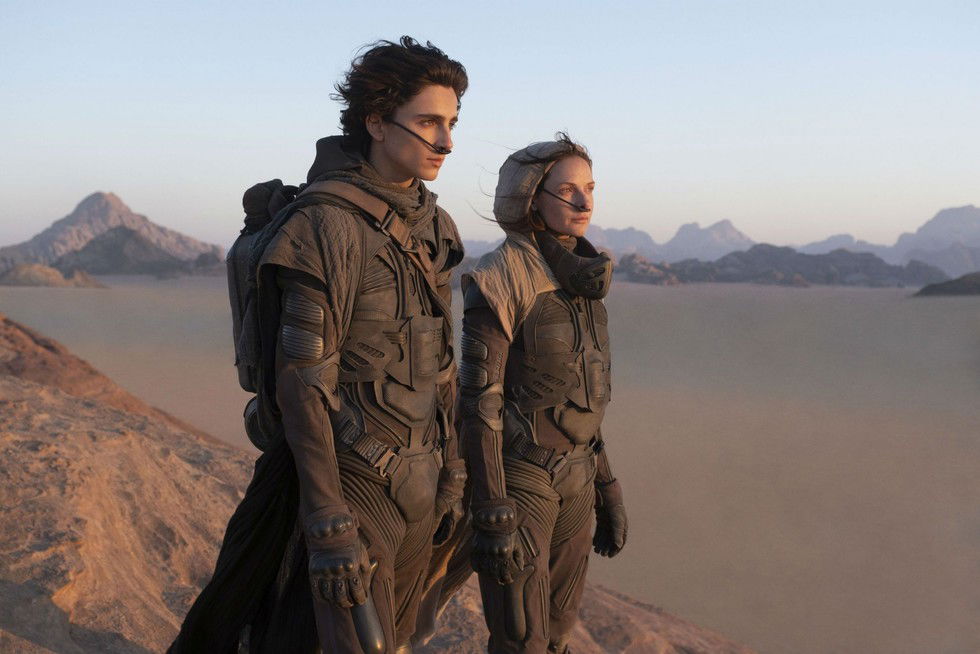 Paul Atreides in Dune: Part One | Credits: Warner Bros.
Timothée Chalamet brought in the conflicted heroic energy of Paul Atreides in the Dune franchise perfectly. In the films, Paul is still young, having to migrate from his home world of Calladan to the desert planet of Arrakis. Initially unwilling to fulfill these royal duties, he heeds the call of the hero after his father, Duke Leto’s death.
The story of Paul bears an uncanny resemblance to the arc of Michael Corleone in The Godfather. Played masterfully by Al Pacino, Michael, too reluctantly, joins the family’s underworld business in a moment of tragedy. After his father, Don Vito Corleone, and his brother Sonny are shot in public, Michael takes over the Corleone family business.
Modern generations distrust destined heroes, and reluctant heroes like Paul and Michael are more relatable. They are still brave and make the choice to stand by their families and the systems given to them. But they do not like it, they hate to have been a part of it. Gen Z relates to this.
2 Both See Their Father Betrayed And Are Given Broken Systems
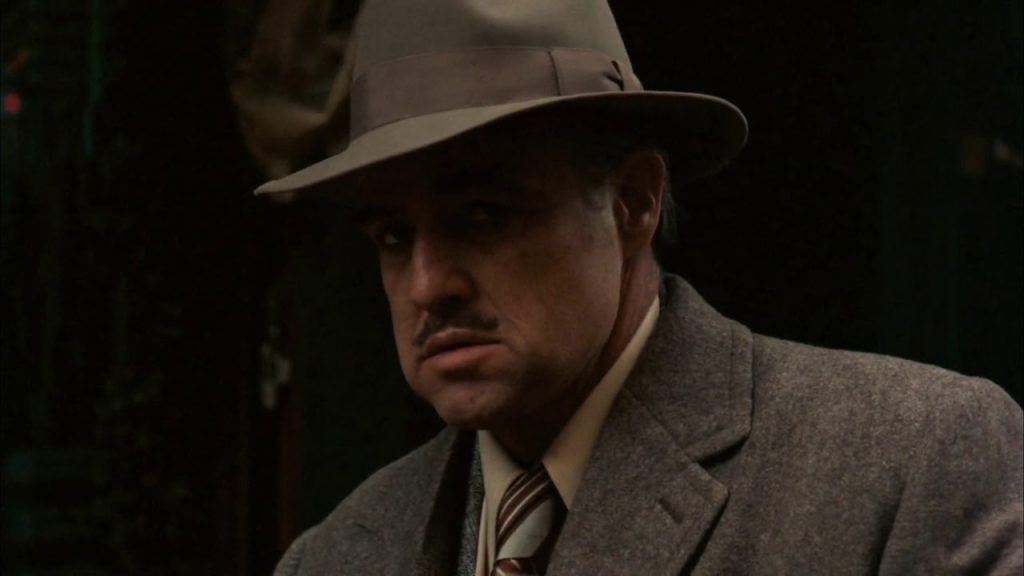 Marlon Brando in The Godfather | Credits: Paramount Pictures
Duke Leto’s sudden transfer to Arrakis is suspicious from the beginning. The Harkonnens’ leaving the spice-producing planet is uncharacteristic of them. However, the Emperor’s betrayal is seen when he sends the Sardaukar to Arrakis, attacking Leto’s army and killing the Duke (by the traitor Dr. Yueh).
It is under these circumstances that Paul Atreides becomes the Duke in exile. He is put into a system of exploitation, religious manipulation, and larger schemes of espionage, which he never wanted to go into. As Duke Leto says, he just wanted to be Leto’s son.
Michael is in the army and only visits the family during their sister’s wedding, when his father, Don Corleone, is shot in a market and is bedridden. The family system is shaken more when the eldest son, Sonny, is killed. Michael reluctantly becomes the Don, taking revenge against Sollozzo and Captain McCluskey.
He is again put into a corrupt and violent system that he had avoided all his life. The glitz and glamor of the underworld never interested him, and he tried his best to stay away from the family business. However, circumstances push him into this world. Gen Zs are all too familiar with being thrust into a broken world and system that they did not make and is built on exploitation.
3 Paul And Michael Use Their Brains Instead Of Just Violence
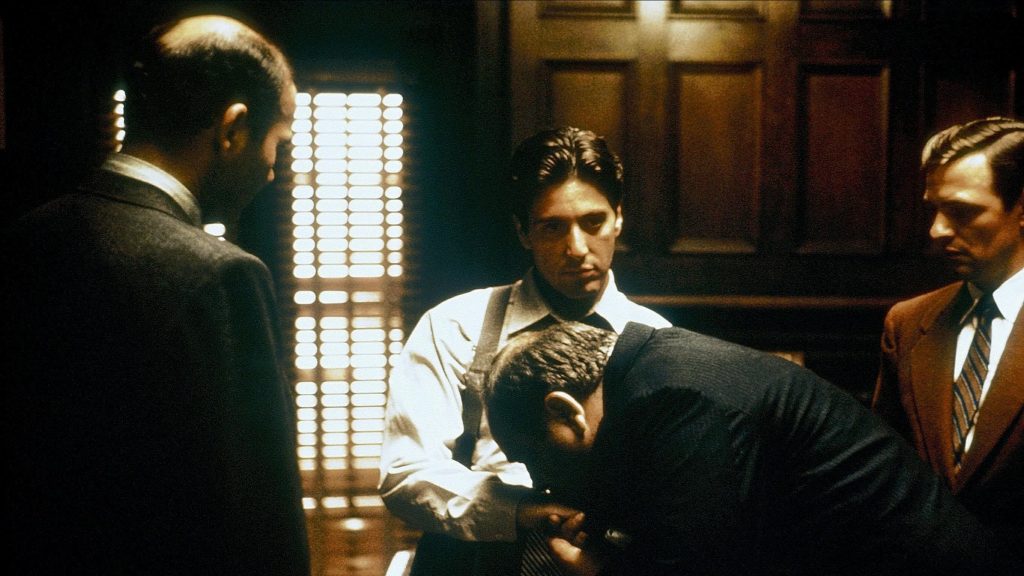 Al Pacino in The Godfather | Credits: Paramount Pictures
It is easy to use violence to reclaim empires. But what Paul and Michael do is different. Paul uses the legend of the Lisan-al-Gaib to his advantage and manipulates the Fremen into becoming his army, retaking Arrakis, and even the Emperor’s position. Before the events of Dune: Part Three (which will release this year), he just uses the threat of war to pull this off.
Michael similarly uses his intelligence to punish the traitors and bring back control to the Corleone family. Of course, there is violence in this world, and the threat of it looms. But he only kills when necessary, and the milieu around the killings is what makes him dangerous. Gen Zs loved the use of brains instead of just mindless violence to retain power.
4 Michael And Paul Falsely Hope That Love Will Save Them
Michael had Apollonia and Kay; Paul Atreides had Chani, who is the heart of Dune. The two heroes tried to leave the life of crime and violence behind, but it only pulls them back in. Paul’s relationship with Chani puts him closer to the Fremen and their movement of reclaiming Arrakis, while Michael loses Apollonia and drifts further and further from Kay the more he tries to hold on.
Reality gets in the way of love, and nothing is happily ever after. Gen Z audiences have increasingly seen the age-old concept of love solving everything be destroyed in real time. This aspect of Paul and Michael rings true to them.
5 Both Eventually Become The Thing They Feared The Most
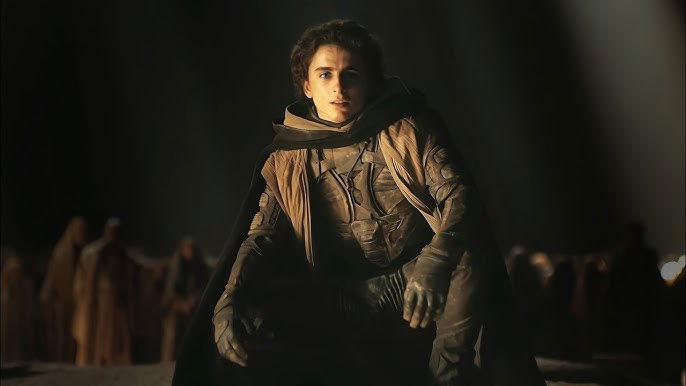 Paul in Dune: Part Two | Credits: Warner Bros.
Dune director Denis Villeneuve directly compared Paul’s tragedy to Michael Corleone’s life, especially in this aspect. The two spend a lot of time avoiding their destiny, but they eventually become the thing they fear the most. Michael joins his father’s business and becomes the Godfather.
Paul becomes the Lisan-al-Gaib, finding no other way to stop a universe-wide g*nocide but to create a relatively smaller but necessary war in his name. The aspect of becoming the thing you feared the most rings true to every generation, especially to Gen Z.
A generation grown up with social media and various ‘rules’ and social terminologies, slowly becoming the thing they avoided the most and were against the most after entering the real world, is something that hits close to Gen Z. Paul is definitely the new Michael Corleone, and these aspects just prove it.
If you have any doubts about The Godfather or Dune, refer to the FAQs below.
Is Paul Atreides actually a villain?
Paul exists in morally gray territory. Frank Herbert intentionally wrote him as a critique of charismatic messianic leaders, not a traditional heroic savior.
Why compare Dune to The Godfather?
Both stories follow reluctant sons who inherit dangerous power structures and gradually sacrifice their morality in pursuit of survival, control, and legacy.
Why does Gen Z relate to Paul Atreides?
Paul reflects modern anxieties: institutional collapse, inherited crises, identity pressure, and distrust of “chosen one” narratives. He feels emotionally conflicted rather than purely heroic.
Does Dune intentionally mirror mafia storytelling?
Not directly, but both stories share classic tragedy structures involving family legacy, political violence, and corruption through power.
What do you think about Dune? Comment below.
















/https%3A%2F%2Fsportsmole-media-prod.s3.gra.io.cloud.ovh.net%2Fuploads%2F2026%2F05%2Fchamp-69fa166311171530187348.jpg)
 Bengali (BD) ·
  English (US) ·