.png)
 1 day ago
14
1 day ago
14

Article content
B.C.’s mining sector says it is worried Premier David Eby’s suggestion that Canada restrict American access to Canadian critical minerals in response to new U.S. tariffs has the potential to backfire.

THIS CONTENT IS RESERVED FOR SUBSCRIBERS ONLY
Subscribe now to read the latest news in your city and across Canada.
- Unlimited online access to articles from across Canada with one account.
- Get exclusive access to the Vancouver Sun ePaper, an electronic replica of the print edition that you can share, download and comment on.
- Enjoy insights and behind-the-scenes analysis from our award-winning journalists.
- Support local journalists and the next generation of journalists.
- Daily puzzles including the New York Times Crossword.
SUBSCRIBE TO UNLOCK MORE ARTICLES
Subscribe now to read the latest news in your city and across Canada.
- Unlimited online access to articles from across Canada with one account.
- Get exclusive access to the Vancouver Sun ePaper, an electronic replica of the print edition that you can share, download and comment on.
- Enjoy insights and behind-the-scenes analysis from our award-winning journalists.
- Support local journalists and the next generation of journalists.
- Daily puzzles including the New York Times Crossword.
REGISTER / SIGN IN TO UNLOCK MORE ARTICLES
Create an account or sign in to continue with your reading experience.
- Access articles from across Canada with one account.
- Share your thoughts and join the conversation in the comments.
- Enjoy additional articles per month.
- Get email updates from your favourite authors.
THIS ARTICLE IS FREE TO READ REGISTER TO UNLOCK.
Create an account or sign in to continue with your reading experience.
- Access articles from across Canada with one account
- Share your thoughts and join the conversation in the comments
- Enjoy additional articles per month
- Get email updates from your favourite authors
Sign In or Create an Account
or
Article content
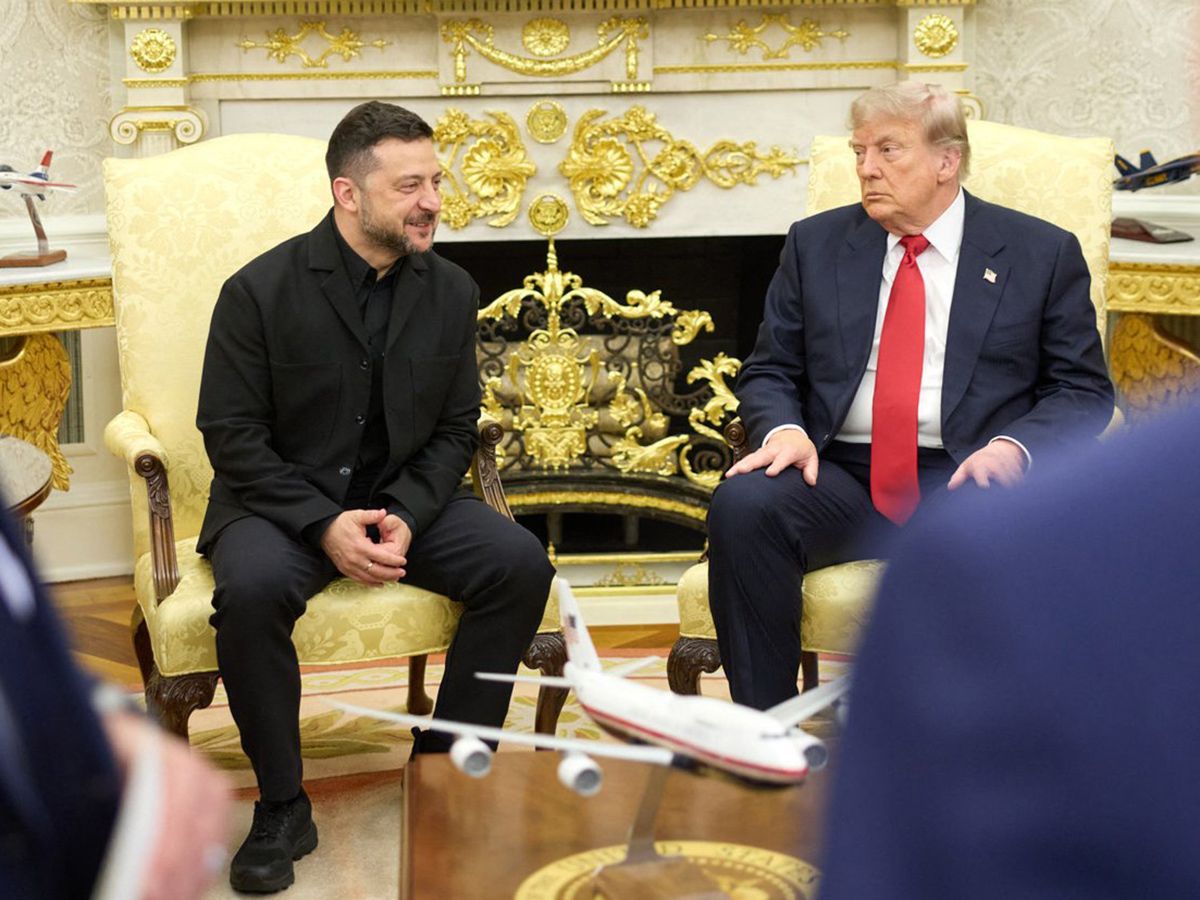
Trade tensions between Canada and the U.S. escalated again Monday when U.S. President Donald Trump signed an executive order starting the clock on new 50 per cent tariffs on $20 billion in Canadian exports, due to take effect Aug. 19, in retaliation for most provinces taking U.S. booze off liquor store shelves.
Article content
Article content
Article content
Eby said there was no chance he would rescind B.C.’s ban on U.S. liquor to give up that leverage and, speaking at the Council of Federation premier’s meeting in Charlottetown, upped the ante by saying he would support barring U.S. access to Canadian critical minerals as a retaliatory measure.
Article content
By signing up you consent to receive the above newsletter from Postmedia Network Inc.
Article content
Eby added that B.C. wants to help Prime Minister Mark Carney’s “walk softly but carry a big stick” approach by giving him “the sticks that he needs to be able to engage in these conversations effectively.”
Article content
Mining industry representative Michael Goehring, however, worries that such a measure would be a counterproductive tactic for a sector with highly integrated cross-border supply chains.
Article content
“As a Canadian, I feel the frustration that Premier Eby and the other premiers and our prime minister feel,” said Goehring, CEO of the Mining Association of B.C.
Article content
“It’s a volatile situation, (but) to restrict critical mineral exports to the U.S. at this time, given the administration that’s on the other side of the table, it would most likely lead to a severe escalation in this existing trade war and it would be counterproductive,” Goehring added.
Article content
Article content
Given how entwined the operations of mining companies are on both sides of the border, enforcing export controls would also be difficult, according to University of B.C. mining expert Jonathan Steen.
Article content
Article content
Steen, director of the Bradshaw Research Initiative in Minerals and Mining at UBC, pointed to the operations of Vancouver-headquartered Teck Resources as an example.
Article content
“Canada and the U.S. built up this trade relationship over many, many years. How do you unravel a bowl of pasta?” Steen said. “It’s so integrated.”
Article content
B.C. mines don’t export a lot of their mineral output to the U.S., shipping just $2 billion worth of metallic mineral products to American customers in 2025, less than a quarter of all its exports, according to B.C. Stats trade figures.
Article content
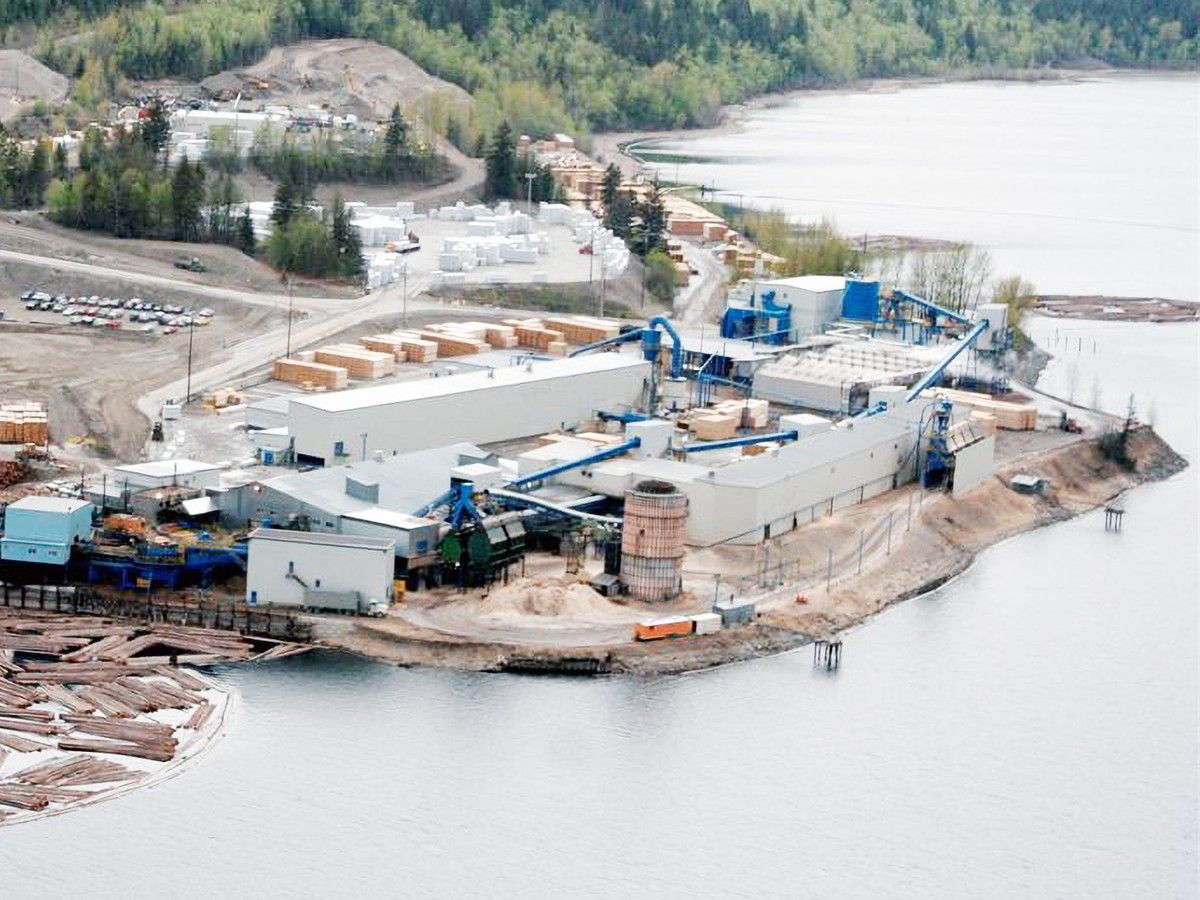
Most of that is split between aluminum produced at Rio Tinto’s smelter in Kitimat, and zinc, which is produced at Teck’s Trail lead-zinc smelter. B.C. exported $894 million worth of zinc to the U.S. in 2025.
Article content
Steen added that the germanium the Trail smelter also produces as a byproduct of zinc has become an increasingly important element to the U.S. because of its usefulness to the defence industry in optic devices and electronics.





















/https%3A%2F%2Fsportsmole-media-prod.s3.gra.io.cloud.ovh.net%2Fuploads%2F2026%2F03%2Ficonsport-361551-0102-1-69b560866f7b6508942731.jpg)

 Bengali (BD) ·
  English (US) ·