.png)
 1 hour ago
9
1 hour ago
9
Article content
On June 22, 1940 the French Republic, led by the pro fascist former military hero of the First World War, General Phillipe Petain, surrendered to Nazi Germany. The once formidable French Army lay in ruins. German troops had already paraded through the Arc de Triomphe as Nazi banners hung from prominent public buildings in Paris and other cities. Britain and its Empire Commonwealth stood alone against Hitler. One prominent British cartoon of the day showed British Prime Minister Winston Churchill standing alone on the southern shore of the United Kingdom shaking his fist at the Nazis who were just across the English Channel.

THIS CONTENT IS RESERVED FOR SUBSCRIBERS
Enjoy the latest local, national and international news.
- Exclusive articles by Conrad Black, Barbara Kay and others. Plus, special edition NP Platformed and First Reading newsletters and virtual events.
- Unlimited online access to National Post.
- National Post ePaper, an electronic replica of the print edition to view on any device, share and comment on.
- Daily puzzles including the New York Times Crossword.
- Support local journalism.
SUBSCRIBE FOR MORE ARTICLES
Enjoy the latest local, national and international news.
- Exclusive articles by Conrad Black, Barbara Kay and others. Plus, special edition NP Platformed and First Reading newsletters and virtual events.
- Unlimited online access to National Post.
- National Post ePaper, an electronic replica of the print edition to view on any device, share and comment on.
- Daily puzzles including the New York Times Crossword.
- Support local journalism.
REGISTER / SIGN IN TO UNLOCK MORE ARTICLES
Create an account or sign in to continue with your reading experience.
- Access articles from across Canada with one account.
- Share your thoughts and join the conversation in the comments.
- Enjoy additional articles per month.
- Get email updates from your favourite authors.
THIS ARTICLE IS FREE TO READ REGISTER TO UNLOCK.
Create an account or sign in to continue with your reading experience.
- Access articles from across Canada with one account
- Share your thoughts and join the conversation in the comments
- Enjoy additional articles per month
- Get email updates from your favourite authors
Sign In or Create an Account
or
Article content
On Sept. 10, 1939 Canada had thrown its lot into the war against Hitler by declaring war on Germany to stand at Britain’s side. That was not surprising. A large part of Canada’s people were British immigrants or the sons and daughters of British immigrants and Canada had stood close beside Britain throughout the long years of the First World War, losing over 100,000 soldiers killed and wounded in that war.
Article content
Article content
Since the end of the Seven Years War in 1763 Canada had leaned heavily on the British empire for its defence. But the defeat of France meant that the now isolated island of the United Kingdom stood against Hitler’s hordes. Canada was at a crossroads. When an invitation arrived in Ottawa for Canadian Prime Minister William Lyon Mackenzie King to meet American President Franklin Delano Roosevelt at the little town of Ogdensburg on the south shore of the St. Lawrence River to discuss North American defence on August 17, 1940, Mackenzie King did not hesitate to accept.
Article content
The meeting produced the Permanent Joint Board on Defence, Canada-United States. The board would have Canadian and American joint chairs, would report directly to the president and prime minister and would begin immediately to lay plans for the defence of North America.
Article content
It was a major turning point in Canadian-American relations. Until that date virtually no discussions had taken place between the two countries on defence due to the fact that Canada had relied on Britain for defence. Since 1940 a vast continental defence apparatus has grown up under the auspices of the PJBD.
Article content
The PJBD is today a symbolic board dealing with joint defence planning, joint surveillance of the skies and seas surrounding North America, exchanging of military personnel and most important the establishment of The North American Aerospace Defence Command with its fighter bases, radar stations and joint defence commands.
Article content
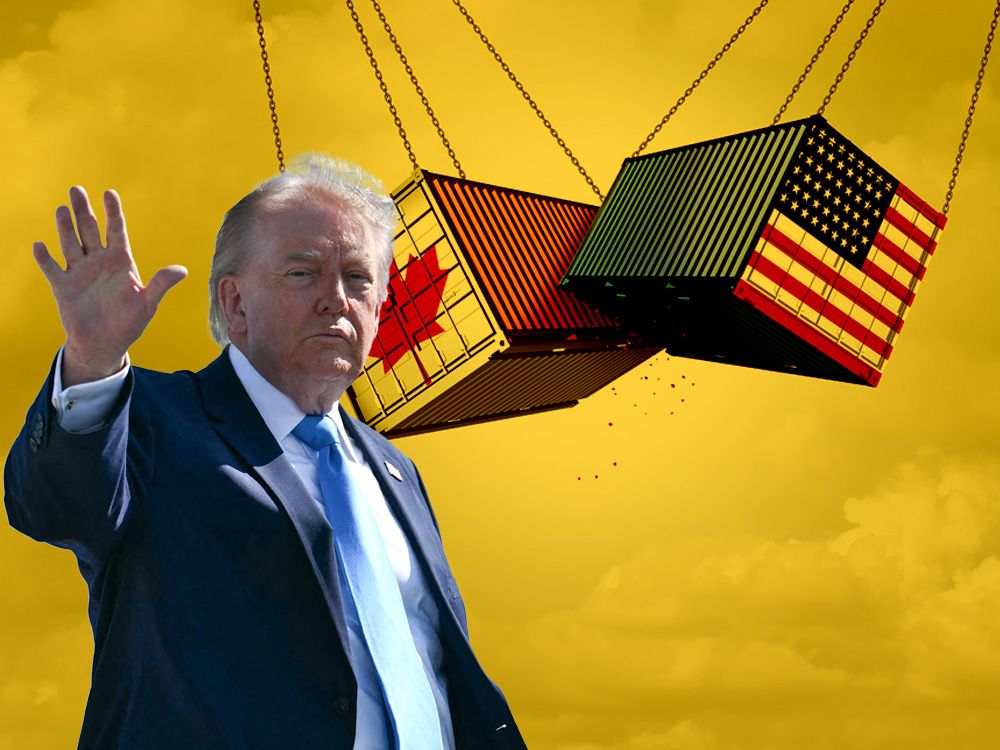
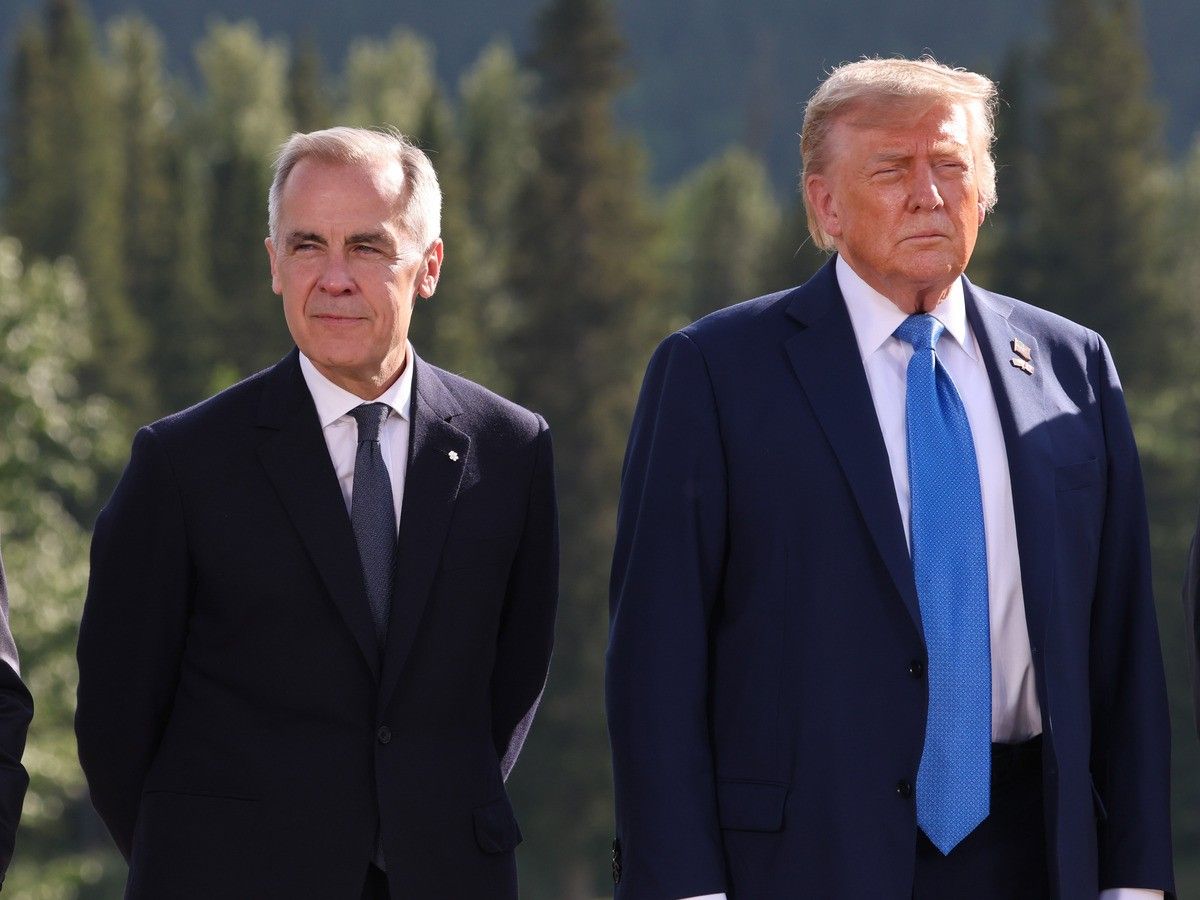
Last week the Trump Administration suspended the PJBD, which is now a once or occasionally twice a year get together between Canadian and American representatives. That was typical of the president and his yes men who have still not learned that dealing with Canada requires a depth of knowledge and understanding that is completely absent from American diplomacy these days.
Article content
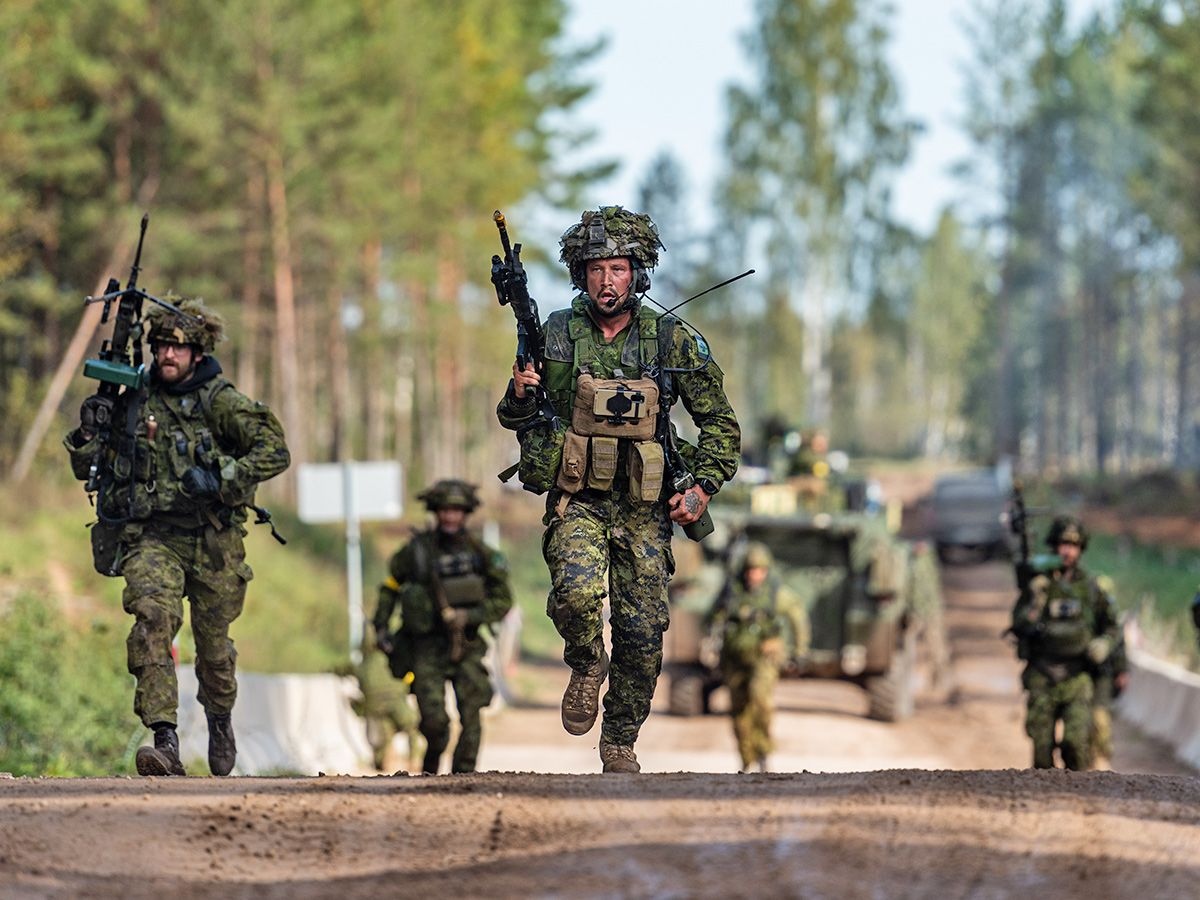
It is not hard to understand U.S. defence frustration with Canada. We have been dragging our heels on North American defence matters since the days of Justin Trudeau’s father Pierre. But we now seem to have a government which is taking joint and Canadian defence very seriously. The U.S. is hardly unaware of these efforts.
Article content
So why this move at this time? Probably the most important factor is Canada’s now well-known refusal to complete the purchase of 88 F-35 stealth fighters, which Justin Trudeau undertook several years ago.
Article content
There is really no doubt among aerospace experts in Canada, the U.S. and elsewhere that the F-35 is the only logical choice to refurbish Canada’s fighter capabilities. Almost all of Canada’s NATO allies are purchasing it and the Royal Canadian Air Force judged it the best available fighter by far.
Article content
But Prime Minister Mark Carney is playing games with the Americans by refusing to “complete” his review of the review done by the RCAF under Trudeau junior. Strong hints have been repeatedly made that Canada is now insisting on splitting its small fighter fleet between the F-35 and a near obsolete Swedish fighter. Why? To send Trump a message. Although Canada should diversify its defence purchases as widely and wisely as possible, it should always acquire first rate equipment, as it is doing with the Boeing P-8 Submarine hunter it has already decided to buy.
Article content
Trump has shown he is the proverbial bull in the china shop and we are stuck with him for another 2.4 years at best. At the same time Canadian-American defence cooperation will continue because, well, because we do share the North American continent as both Trump and Carney are well aware.
Article content
So, stop this dilly dallying on the F-35 purchase. Trump won’t change, but at least a growing irritant in Canada-U.S. defence cooperation will have been laid to rest.
Article content
David J. Bercuson is director emeritus of the Centre for Military, Security and Strategic Studies at the University of Calgary.
Article content
Article content

















/https%3A%2F%2Fsportsmole-media-prod.s3.gra.io.cloud.ovh.net%2Fuploads%2F2026%2F05%2Fchamp-69fa166311171530187348.jpg)
 Bengali (BD) ·
  English (US) ·