.png)
 15 hours ago
10
15 hours ago
10
Article content
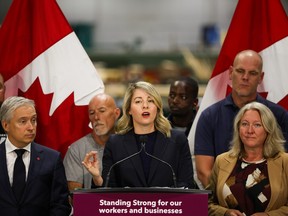
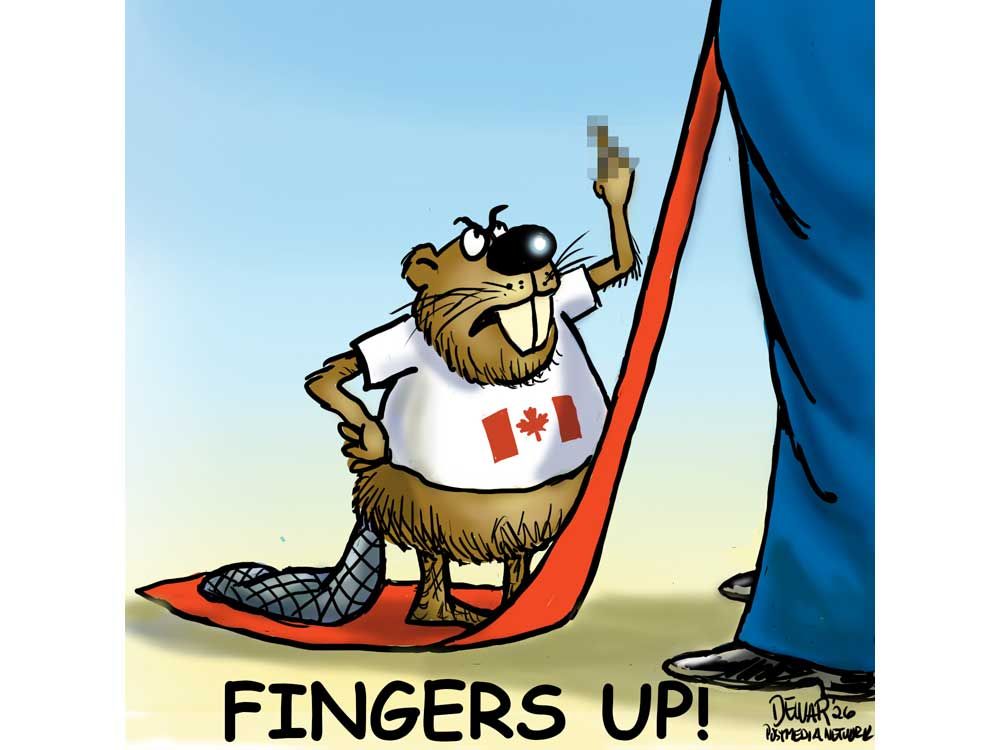
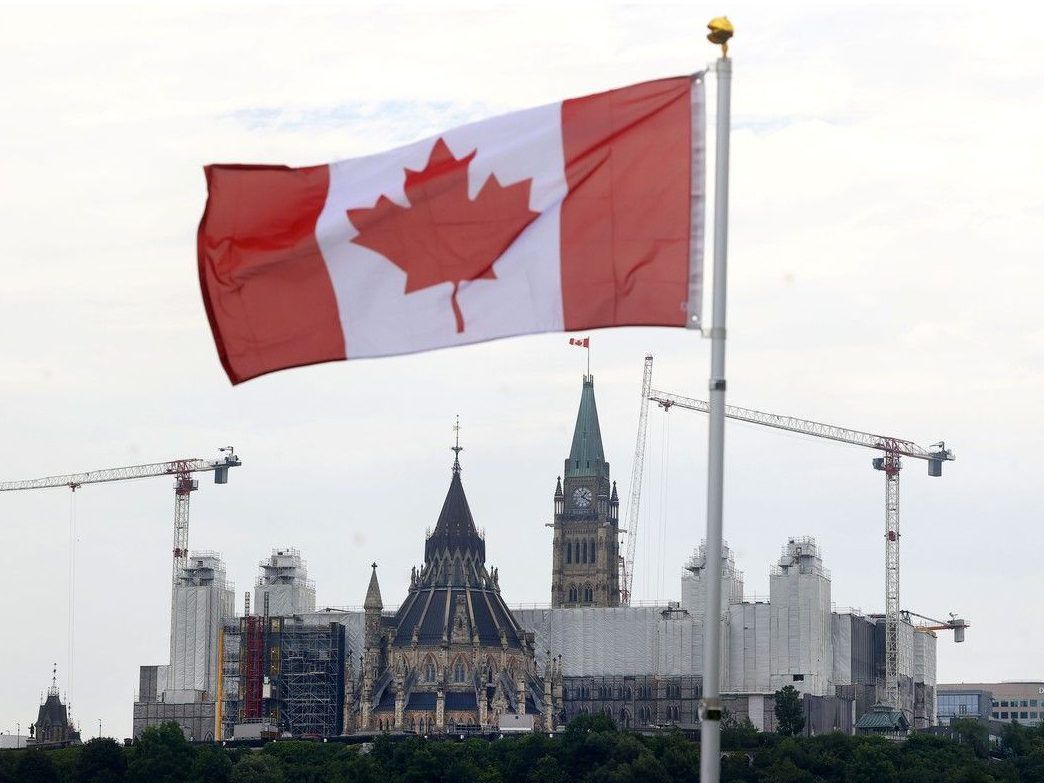
WASHINGTON, D.C. — Ottawa and Washington have been engaged in a rhetorical tit-for-tat over tariffs since talks broke down and the U.S. imposed Section 338 duties on hundreds of Canadian imports over the weekend.

THIS CONTENT IS RESERVED FOR SUBSCRIBERS
Enjoy the latest local, national and international news.
- Exclusive articles by Conrad Black, Barbara Kay and others. Plus, special edition NP Platformed and First Reading newsletters and virtual events.
- Unlimited online access to National Post.
- National Post ePaper, an electronic replica of the print edition to view on any device, share and comment on.
- Daily puzzles including the New York Times Crossword.
- Support local journalism.
SUBSCRIBE FOR MORE ARTICLES
Enjoy the latest local, national and international news.
- Exclusive articles by Conrad Black, Barbara Kay and others. Plus, special edition NP Platformed and First Reading newsletters and virtual events.
- Unlimited online access to National Post.
- National Post ePaper, an electronic replica of the print edition to view on any device, share and comment on.
- Daily puzzles including the New York Times Crossword.
- Support local journalism.
REGISTER / SIGN IN TO UNLOCK MORE ARTICLES
Create an account or sign in to continue with your reading experience.
- Access articles from across Canada with one account.
- Share your thoughts and join the conversation in the comments.
- Enjoy additional articles per month.
- Get email updates from your favourite authors.
THIS ARTICLE IS FREE TO READ REGISTER TO UNLOCK.
Create an account or sign in to continue with your reading experience.
- Access articles from across Canada with one account
- Share your thoughts and join the conversation in the comments
- Enjoy additional articles per month
- Get email updates from your favourite authors
Sign In or Create an Account
or
Article content
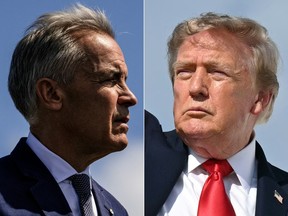
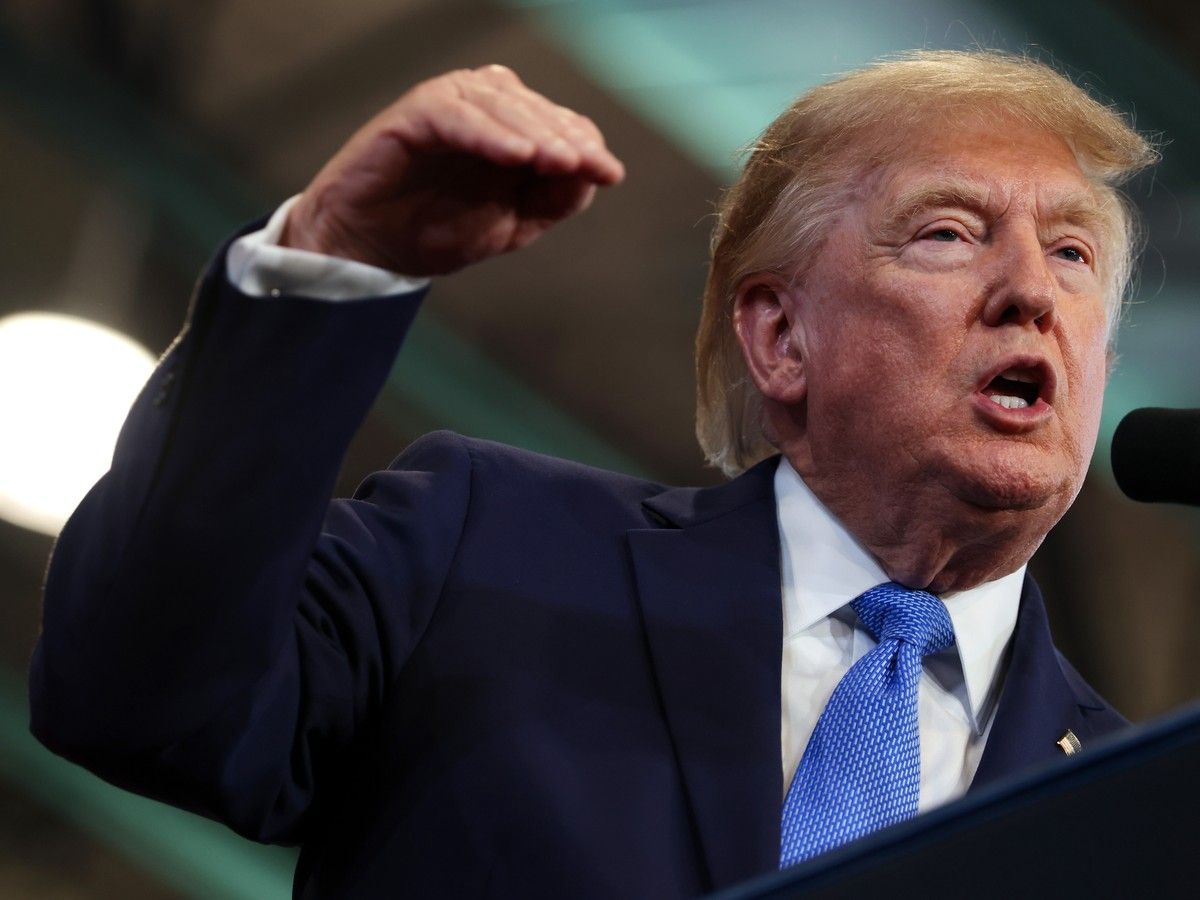
Prime Minister Mark Carney explained why he pulled his team back and promised retaliatory tariffs, while President Donald Trump posted to social media several times, threatening Canada with even higher auto tariffs and denying he made any demands that meddled with French culture.
Article content
Article content
Article content
On Tuesday morning, Carney’s team showed its hand on the retaliatory tariffs it promised, revealing the list of products to be hit with duties starting September 8. The plan is to apply 50 per cent tariffs on steel and aluminum imports from the U.S., as well as furniture, clothing, milk, plywood, paper, honey, doors and windows, smartphones, and perfumes, among others. Additional products will face 25 per cent tariffs, including carpets and textiles, cheese, large kitchen appliances, and seafood.
Article content
By signing up you consent to receive the above newsletter from Postmedia Network Inc.
Article content
So will the retaliation be enough to get Washington’s attention in a way that focuses the U.S. administration on sealing a deal or should Canada go even further?
Article content

Article content
“Right now, the (U.S.) tariffs affect a narrow set of products, and I would imagine that the Canadian retaliation would also start off affecting a narrow set of American products relative to everything that the U.S. exports to Canada,” said Alfredo Carrillo Obregon, a trade policy analyst at the Cato Institute in Washington, before the Canadian list was revealed.
Article content
“Over time, you continue escalating, and then you’re really going to touch on products that are important for consumers and important for businesses on both sides of the border.”
Article content
Article content
Ottawa said its list was crafted to protect the “domestic market share for Canadian companies,” rather than to target politically sensitive products in U.S. battleground states ahead of the midterm elections this November.
Article content
Article content
This makes sense, according to Graeme Thompson, senior analyst with Eurasia Group’s Global Macro team, because Canada-imposed tariffs will cost Canadians.
Article content
“Tariffs are a tax. It’s as simple as that,” said Thompson. “If you put a tariff on a good that you are importing, it is more expensive for consumers. Full stop.”
Article content
Article content
That said, Canada’s retaliatory list — intentionally or not — is still likely to have a disproportionate political effect in battleground states with large steel, auto, appliance, agricultural, paper, food-processing or consumer-goods sectors. Michigan and Ohio come to mind for steel and autos, while North Carolina and Georgia could also feel the effect owing to their furniture and appliance markets. Iowa, Wisconsin, and Minnesota, meanwhile, are vulnerable through their dairy, agricultural, and food-processing sectors.

























/https%3A%2F%2Fsportsmole-media-prod.s3.gra.io.cloud.ovh.net%2Fuploads%2F2026%2F07%2Fimago1075669211-6a5fb6068a84b779278224.jpg)
/https%3A%2F%2Fsportsmole-media-prod.s3.gra.io.cloud.ovh.net%2Fuploads%2F2026%2F08%2Fimago1080705836-6a733ed0dad41130296964.jpg)
 Bengali (BD) ·
  English (US) ·