.png)
 1 week ago
20
1 week ago
20

Doug Liman’s Bitcoin, the film previously referred to in online reports as Killing Satoshi, is gathering a new cast and an even louder argument around how movies should be made. Ahead of Cannes, Patrick Wachsberger’s 193 is launching sales, with Gal Gadot and Isla Fisher joining Casey Affleck and Pete Davidson. Affleck plays Craig Wright, Davidson is Calvin Ayre, and Gadot stars as Charlotte “Lotte” Miller (per Deadline).
The script comes from WGA Award winner Nick Schenk, while Ryan Kavanaugh and Lawrence Grey are producing. Deadline also reports that production began at the end of February. The official synopsis pitches a feverish true-story thriller about a man trying to prove he created Bitcoin, a claim that puts him in danger and triggers a worldwide race involving tech billionaires, political power, and the future of the financial system.
What has really turned heads, though, is the film’s AI-linked production model, which has put Liman’s new project under a very bright and very unforgiving lamp.
| Detail | Information |
| Official title | Bitcoin |
| Previous online title | Killing Satoshi |
| Director | Doug Liman |
| Cast announced | Casey Affleck, Pete Davidson, Gal Gadot, Isla Fisher |
| Affleck’s role | Craig Wright |
| Davidson’s role | Calvin Ayre |
| Gadot’s role | Charlotte “Lotte” Miller |
| Writer | Nick Schenk |
| Producers | Ryan Kavanaugh, Lawrence Grey |
| Sales launch | Cannes market via 193 |
| Production start | End of February |
| U.S. distribution | Not announced |
Note – All of the above details are drawn from current trade reporting.
Pete Davidson’s Bitcoin by Doug Liman Faces AI Controversy and Fan Criticism
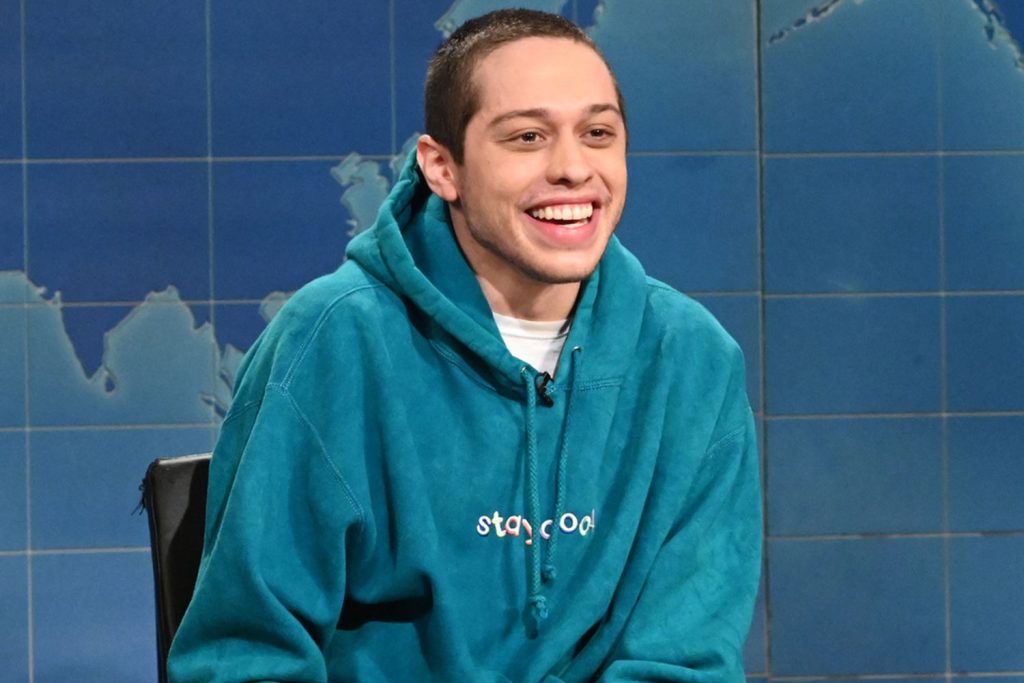 Pete Davidson on SNL | Credit: NBC
The first real jolt of controversy came from a U.K. casting notice reported by Variety. That notice said the indie film could use AI to “adjust” certain performances and that actors would perform on a
Markerless performative capture stage and not in any locations, using new AI technologies.
It also said producers reserved the right to “change, add to, take from, translate, reformat or reprocess” performances using generative AI or machine learning, including possible adjustments to lip, facial, and body movement. At the same time, the notice said the production would not create a recognizable digital replica of an actor’s voice or likeness without written consent. It also warned performers that they could be sharing scenes with AI-generated performers.
The public response was far from enthusiastic, to say the least. Here are a few fan reactions making the rounds:
proper dogshit already, some awful actors
— Endrico (@EndricoDonV) April 15, 2026AI generated sets? Just gross. What about all the set crew losing jobs over this?
🤦yeah can’t wait to hear how bias this will be.
— kal El (@kal5150) April 15, 2026Hmm. A Hollywood take on Bitcoin’s controversial history that could spark plenty of debate in the community.
— Crypto Fundi (@cryptofundix) April 15, 2026gal gadot is IDF ffs
— S T U D L E Y (@studleytweet) April 15, 2026The AI question in film is not merely about novelty anymore. The debate around AI in films is no longer about something new or exciting. It is about whether studios are using it to cut jobs, dilute craftsmanship, and make creative work easier to control. And with recent outrage over AI-generated celebrity videos still fresh, the timing could not have been worse.
Bitcoin Won’t Use AI Actors, Producer Confirms Amid Controversy
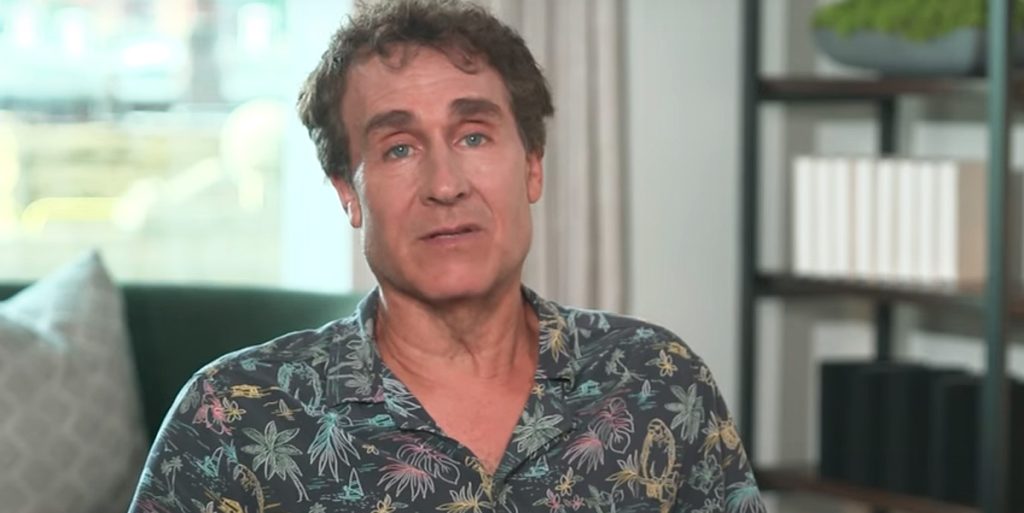 Doug Liman via Collider Interviews / YouTube
After the initial uproar, producer Ryan Kavanaugh tried to calm things down. In a statement to Variety, he said:
We were very cautious, sensitive and overly protective of our actors to make sure we only use performance capture AI which means that we will not have any AI-generated actors that do not exist. AI is a tool we’re using to make the filmmaking process more efficient while maintaining all department heads’ jobs, all actor jobs and hopefully helping to grow the industry in a positive way.
That statement was clearly meant to draw a line between AI as a support tool and AI as a replacement for human performers. A Variety source said the film won’t use AI actors but will use AI for backgrounds and to tweak performances, avoiding reshoots while keeping actors’ original dialogue intact.
This is where the project’s messaging problem becomes glaring. The producers want the conversation to center on efficiency and protection. The public hears cost-cutting and creative interference. Those are not the same thing. And in an industry still trying to define boundaries after heated labor fights around AI, the burden of proof sits squarely on the filmmakers. If they want audiences to trust that the technology is merely a wrench and not a wrecking ball, they are going to have to show that with more than polished press quotes.
Doug Liman’s Bitcoin Sparks Debate as AI-Driven Film Cuts Costs to $70M
 Credit: DC Studios
Reporting tied to Doug Liman’s current production says the film was shot over 20 days inside a “gray box” soundstage, with minimal physical sets, lighting, and backgrounds, much of which would instead be generated later with AI (per The Wrap). Producers have argued that this approach let them make a movie that might otherwise have cost around $300 million for roughly $70 million instead. That is an eye-popping gap, and it explains exactly why people in the business are paying such close attention.
The team says the goal is to cut travel, waste, and costs while keeping performances human and protecting jobs. Liman and the cast have compared the process to stage work, with a stronger focus on acting. That sounds fair in theory, but it still raises a tough question. If films can be made much cheaper by reducing locations and using AI to fix performance gaps, how long before this becomes the norm instead of an experiment? The debate is not just about AI in filmmaking. It is about whether studios will slowly erode human craft while calling it progress.
And then there is the movie itself. The screenplay is by Nick Schenk, whose credits include Gran Torino and The Mule, while Liman’s résumé stretches from Swingers and Go to The Bourne Identity, American Made and Edge of Tomorrow. On pure talent alone, this is not a shrug-worthy package. But that is exactly why the AI angle feels so provocative. No one is asking whether this team could make a real movie the old-fashioned way. The question is why they are so eager not to.
The cast has strong appeal, the subject is controversial, and Liman’s involvement gives it weight. But the AI debate is not a side note, it sits right beside the film itself. Using technology to support filmmaking is one thing. Using it to strip away the human effort that makes performances compelling is another. Even if Bitcoin succeeds, tough questions will remain. And if it falls flat, this approach will be the first thing people blame.
Would you watch a Doug Liman thriller that leans this hard on AI if the final result is sharp enough, or is that already a deal-breaker for you? Drop your take below and follow FandomWire for more film updates, casting stories, and industry debates with a little more bite.
Bitcoin does not currently have a release date.






















 Bengali (BD) ·
  English (US) ·