.png)
 2 weeks ago
26
2 weeks ago
26
Spoiler Alert !!!
This article discusses the events of Avatar Aang: The Last Airbender.
Avatar Aang: The Last Airbender ends with Aang destroying Avatar Sonam’s staff, defeating Tagah, and stripping the Denied of the airbending they received through its spiritual energy. Republic City survives, the ancient temple returns to the Spirit World, and Aang abandons his easiest chance to restore the bending tradition of the Air Nomads. Yet the victory leaves the film’s most provocative problem exactly where it began.
The Denied emerged from resentment toward a society where benders possess physical, political, and economic advantages unavailable to ordinary people. Aang stops their violent campaign without offering any answer to that inequality. The ending closes Tagah’s attack while preserving the anger that will later feed the Equalist movement in The Legend of Korra. For a movie concerned with rebuilding the world after war, that omission is hard to ignore, especially when the Denied’s complaint contains an uncomfortable degree of truth.
Aang Lets Grief Overrule His Better Judgment
 Avatar Aang: The Last Airbender | Photo Credit: Paramount+
Set more than a decade after the Hundred Year War, the movie finds Aang searching old temples for Air Nomad artefacts. Republic City is taking shape, his friends have begun building adult lives, and he remains the only living airbender raised within the culture destroyed by the Fire Nation. Paramount+ describes Aang’s mission as a search for an ancient power capable of saving his culture from extinction. That promise becomes harder to resist after he discovers Tagah, another airbender who had been preserved in ice for centuries.
Tagah claims knowledge of Avatar Sonam and the staff she once carried. The relic can grant airbending to people born without bending, which gives Aang a possible route toward restoring what the Fire Nation erased. Katara remains wary, but Aang keeps trusting Tagah because he wants their shared history to be genuine. I understood the desperation even when his decisions became frustrating. Tagah offers companionship, cultural knowledge, and hope in one very suspicious package, and Aang accepts the offer before asking enough questions.
The story returns to Aang’s lingering guilt, though some may see it as familiar territory. His desire to reconnect with his past causes him to ignore Tagah’s red flags.
Sonam’s Staff Gives Tagah the Army He Wanted
 Avatar Aang: The Last Airbender | Photo Credit: Paramount+
Tagah’s story is built around a calculated omission. He presents himself as a natural survivor of an earlier Air Nomad civilisation, but his airbending came from Sonam’s staff. The relic channels power connected to the Spirit World and transfers airbending to non-benders. Tagah became one of its recipients, then decided the same power could create an army under his command. Sonam recognised what he intended to do and imprisoned him before hiding the staff.
After escaping with the artefact, Tagah aligns himself with the Denied and grants their members airbending. The transformation does not turn them into Air Nomads because they receive the element without its discipline, spiritual philosophy, or pacifist traditions. Their existing weapons become more destructive once gusts of air can increase their speed and force.
Tagah then directs them toward Republic City, where he plans to impose his vision of a restored nation. His goal resembles Aang’s dream on the surface, but Tagah defines restoration through domination. Aang wants to preserve a culture, while Tagah wants enough power to decide who deserves a place in the new world. The Denied are useful to him because their anger already exists. They believe benders control the world while non-benders remain vulnerable, and Tagah offers them an immediate way to reverse that imbalance.
Why Does Aang Destroy Avatar Sonam’s Staff?
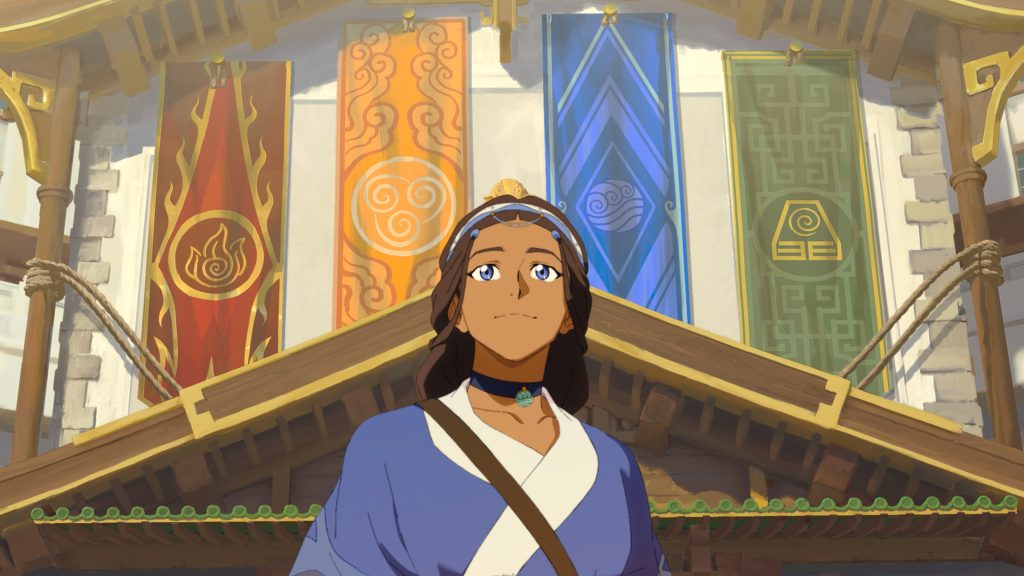 Avatar Aang: The Last Airbender | Photo Credit: Paramount+
Aang destroys Sonam’s staff during the final battle for Republic City because no person or government can safely possess it. The object can manufacture benders, arm entire factions, and give one holder control over who receives elemental power. Tagah has already turned an attempt at cultural preservation into a military assault, while the Denied have begun using borrowed airbending against the city.
Breaking the staff ends Tagah’s control, returns Sonam’s temple to the Spirit World, and removes the abilities granted to the Denied. Tagah’s prolonged existence also depends upon the same spiritual power, so the film treats the relic’s destruction as his final defeat. Aang gives up the object even though it could create new airbenders. That sacrifice is the centre of his decision. He accepts that restoring a civilisation through supernatural force would give him bodies capable of airbending without recreating the community, ethics, and spiritual outlook that defined his people.
His later conversation with Sonam confirms that Air Nomad culture can survive through the values Aang teaches others. Kallik’s decision to leave the Denied and join the existing Air Acolytes supports that answer. She does not retain airbending, yet she can still study and protect the traditions Tagah misunderstood.
I liked the decision, although the 99-minute runtime does not give Aang enough time to process what he has surrendered. The movie races from betrayal to battle and reaches its conclusion before the loss can fully settle. Several reviews praised the animation but criticised the rushed narrative and limited character development.
The Denied Lose Their Powers, but Not Their Point
Avatar Aang: The Last Airbender | Photo Credit: Paramount+The Denied are defeated after the staff breaks. Jie, Hong, and Yuddah are placed under supervision and assigned cleanup duties, while Kallik separates herself from the faction. Their temporary airbending disappears, and Republic City avoids destruction. None of those outcomes address why the organisation attracted followers. Benders continue to hold advantages that non-benders cannot naturally obtain. The world still lacks a visible plan for fair political representation, protection from abusive bending, or equal access to positions controlled by elemental power. Tagah exploits that inequality, but he does not create it.
This is the world’s biggest unresolved problem in the ending. Aang defeats extremists who seek equality through violence without confronting the society that produced their resentment. The similarities between the Denied and The Legend of Korra’s Equalists make the omission even more noticeable. Decades later, Amon will find another audience willing to believe that bending has created an unfair social order.
Avatar Aang: The Last Airbender Ending Explained: Aang’s Final Choice
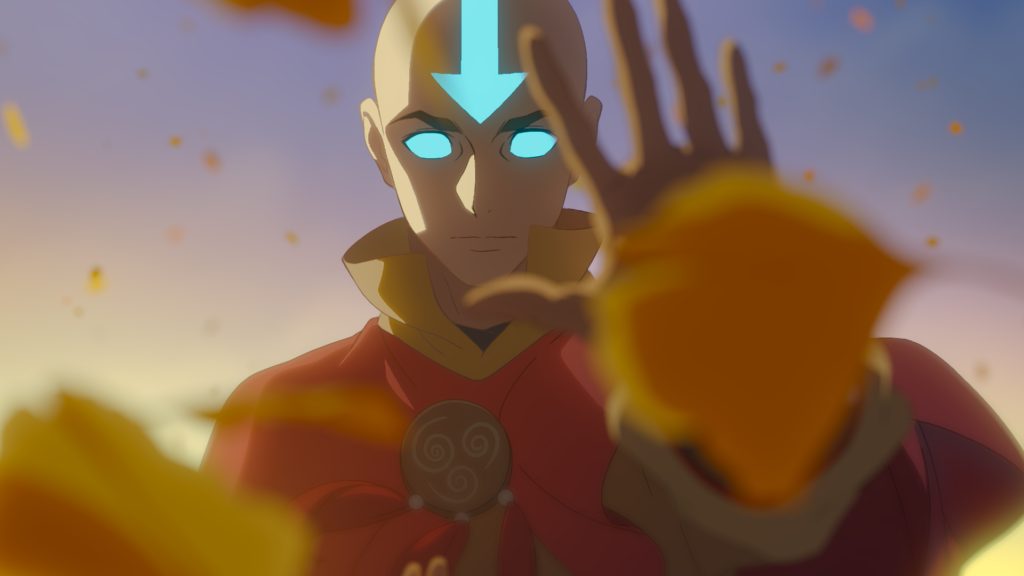 Avatar Aang: The Last Airbender | Photo Credit: Paramount+
Aang wins by refusing the shortcut Tagah places before him. Destroying Sonam’s staff prevents airbending from becoming a commodity controlled by whoever possesses the artefact, while the Air Acolytes offer a peaceful way to preserve Air Nomad culture without pretending that bending alone defines it. Tagah is gone, Team Avatar saves Republic City, and Kallik chooses a better path. The ending remains incomplete because the bender and non-bender divide survives the battle.
I enjoyed seeing adult Aang accept that his people’s identity extends beyond elemental ability, but I wanted him to acknowledge why the Denied found Tagah persuasive. Defeating their leader was necessary. Preventing another movement from replacing them will demand political change that the movie never discusses.
Did Aang make the only responsible choice by destroying the staff, or did he fail the non-benders by walking away from their grievance? Air your verdict below, and follow FandomWire for more Avatar coverage.
Avatar Aang: The Last Airbender is streaming on Paramount+ from July 25, 2026.


























/https%3A%2F%2Fsportsmole-media-prod.s3.gra.io.cloud.ovh.net%2Fuploads%2F2026%2F01%2Fdanny-welbeck-5-6956bfa3ea945973722124.jpg)
 Bengali (BD) ·
  English (US) ·