.png)
 1 hour ago
6
1 hour ago
6
Article content
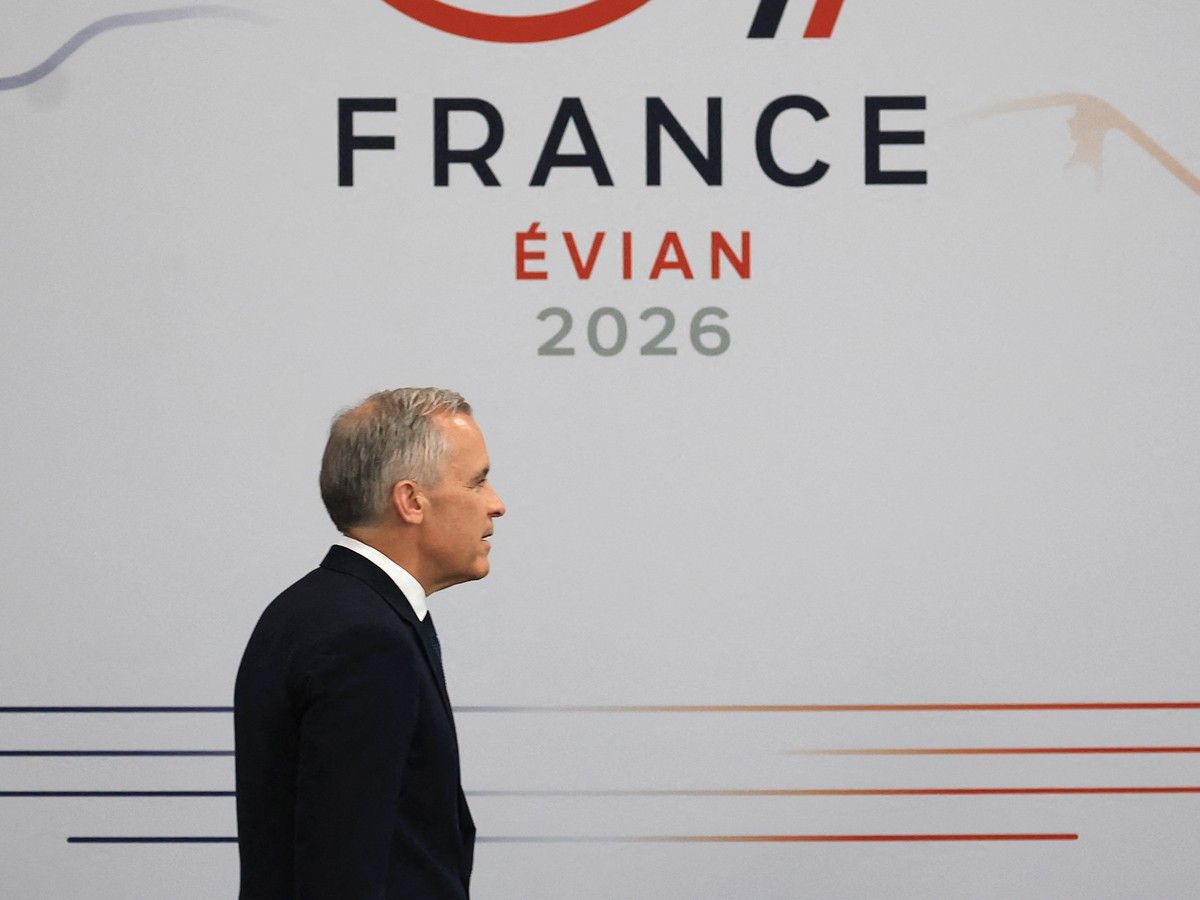
“I think it changes every day. At the end of the day, Trump just wants to win. I don’t know if he knows what that looks like, and I think whatever it looks like, it looks like (Prime Minister Mark) Carney taking a public loss,” she added.
Article content
Most trade watchers agree that any deal beneficial to Canada must still give Trump a political victory he can sell at home — a prize to show Republican and Independent voters ahead of the November U.S. midterm elections.
Article content
Any agreement Trump could portray as a victory, says Manak, would likely involve Canadian concessions on the irritants being discussed — namely the provincial restrictions on U.S. alcohol sales, the retaliatory auto tariffs, and dairy access.
Article content
Dropping the provincial alcohol sales bans should be the easiest concession politically and economically, says Manak, who noted that selling U.S. liquor doesn’t change Canadian purchasing behaviour.
Article content
“Canadians may just not want to buy American liquor anyway,” she said. “Preferences have changed.”
Article content
But dropping the bans, of course, requires provincial approval, and keeping the provinces on-side for any U.S.-related deal is key to Carney’s political strength domestically.
Article content
Article content
The auto tariffs, most trade watchers agree, could be lifted in exchange for real tariff relief from the U.S., as they hurt Canadian as well as American consumers.
Article content
But dairy is tougher. Manak says Ottawa can likely adjust or expand the U.S.-specific tariff-rate quotas but won’t be able to eliminate the supply management system as a whole.
Article content
Herman says Washington really wants Ottawa to change its dairy import-quota system so more quotas go directly to retailers and distributors, allowing American exporters to sell directly to Canadian chains, rather than going through Canadian processors that compete with them.
Article content
Canada could make that relatively limited, politically manageable concession, he says.
Article content
“I think that there can be some adjustment on the quota allocation system by Canada that is not going to be painful,” he said.
Article content
Other concessions, such as aligning Canada’s trade policy on China with Washington’s, would be more problematic.
Article content
But Stern believes the complaints over alcohol, auto, and dairy are really just part of a broader political exercise aimed at demonstrating that Trump forced Canadian movement.
Article content
Article content
“To be hardball negotiating with Canada as if America doesn’t already have its own protected government-involved dairy market is absurd,” Stern said.
Article content
He says Greer’s team is really just out to score optical wins, and that those wins are not based on tangible trade parameters or industrial conditions or needs.
Article content
“They’re here to score optical wins that they can go back home and tell people that they got.”
Article content
If Canada obtains any tariff relief on the 338 or 232 duties while offering Trump enough visible movement or promises of movement to declare a victory, Tronnes is happy for Trump to take a victory lap.
Article content
“Let them claim victory… if it’s seen by the White House that Trump has a victory over Mark Carney, then I think that’s great. That’s exactly the position Canada wants to be in,” she said.
Article content
“Whether that’s an actual victory is a different situation,” she added.
Article content
The central disagreement is whether Washington would settle for a symbolic Canadian movement that Trump can portray as a win or demand major policy concessions in exchange for tariff relief.
Article content
Herman, for example, says Trump wants Canada to pay for any tariff relief through major concessions and to align more closely with U.S. economic-security policy.






















 Bengali (BD) ·
  English (US) ·