.png)
 1 week ago
28
1 week ago
28

Article content
The 10 year anniversary in late June of the British public voting to leave the European Union in the Brexit referendum received considerable coverage in Canada, not least because of the forthcoming Alberta separatism referendum.

THIS CONTENT IS RESERVED FOR SUBSCRIBERS
Enjoy the latest local, national and international news.
- Exclusive articles by Conrad Black, Barbara Kay and others. Plus, special edition NP Platformed and First Reading newsletters and virtual events.
- Unlimited online access to National Post.
- National Post ePaper, an electronic replica of the print edition to view on any device, share and comment on.
- Daily puzzles including the New York Times Crossword.
- Support local journalism.
SUBSCRIBE FOR MORE ARTICLES
Enjoy the latest local, national and international news.
- Exclusive articles by Conrad Black, Barbara Kay and others. Plus, special edition NP Platformed and First Reading newsletters and virtual events.
- Unlimited online access to National Post.
- National Post ePaper, an electronic replica of the print edition to view on any device, share and comment on.
- Daily puzzles including the New York Times Crossword.
- Support local journalism.
REGISTER / SIGN IN TO UNLOCK MORE ARTICLES
Create an account or sign in to continue with your reading experience.
- Access articles from across Canada with one account.
- Share your thoughts and join the conversation in the comments.
- Enjoy additional articles per month.
- Get email updates from your favourite authors.
THIS ARTICLE IS FREE TO READ REGISTER TO UNLOCK.
Create an account or sign in to continue with your reading experience.
- Access articles from across Canada with one account
- Share your thoughts and join the conversation in the comments
- Enjoy additional articles per month
- Get email updates from your favourite authors
Sign In or Create an Account
or
Article content
Canadians were treated to a stream of reports of apparent regret by the majority of the British public and commentators from the U.K., who never voted for and never accepted leaving the EU, spouting all sorts of nonsense about the apparent economic impacts of Brexit on the U.K. economy.
Article content
Article content
Article content
My gast never fails to be flabbered by just how much commentary on the U.K. overseas is taken from the pages of the left wing Guardian — one of the U.K.’s least well selling newspapers — or by commentators who align with their views.
Article content
By signing up you consent to receive the above newsletter from Postmedia Network Inc.
Article content
Leaving aside the fact that the U.K. economy has outperformed those of Germany and France since the Brexit referendum and that some polls continue to show a majority of the U.K. public would prefer relationships with the EU that fall short of rejoining, the lesson of Brexit is not that leaving a Union is bad for the economy or will come to be regretted.
Article content
Rather, the lessons of Brexit that are instructive to Canadians who care about Alberta remaining in Confederation, come from the way the losing Remain side fought the referendum campaign, the tactics they deployed and how they lost what many assumed would be a comfortable majority vote to remain in the EU.
The Remain side’s failed campaign became known as Project Fear, a term originally used in the 2014 Scottish referendum campaign where the Remain (No) side in that referendum almost lost, until a pivot later in the campaign to a more positive messaging.
Article content
Article content
Seemingly not having learned the lessons of that referendum, Remain campaigners in the 2016 Brexit referendum dusted off the Project Leave playbook and put rocket boosters under it.
Article content
As someone who was a Remainer in the Scottish referendum but a Leaver in the Brexit referendum, I do see elements of a “Maple Project Fear” forming here in Canada. If not in full bloom, there are shoots of it at the least with some of the things some folks are saying on the issue.
Article content
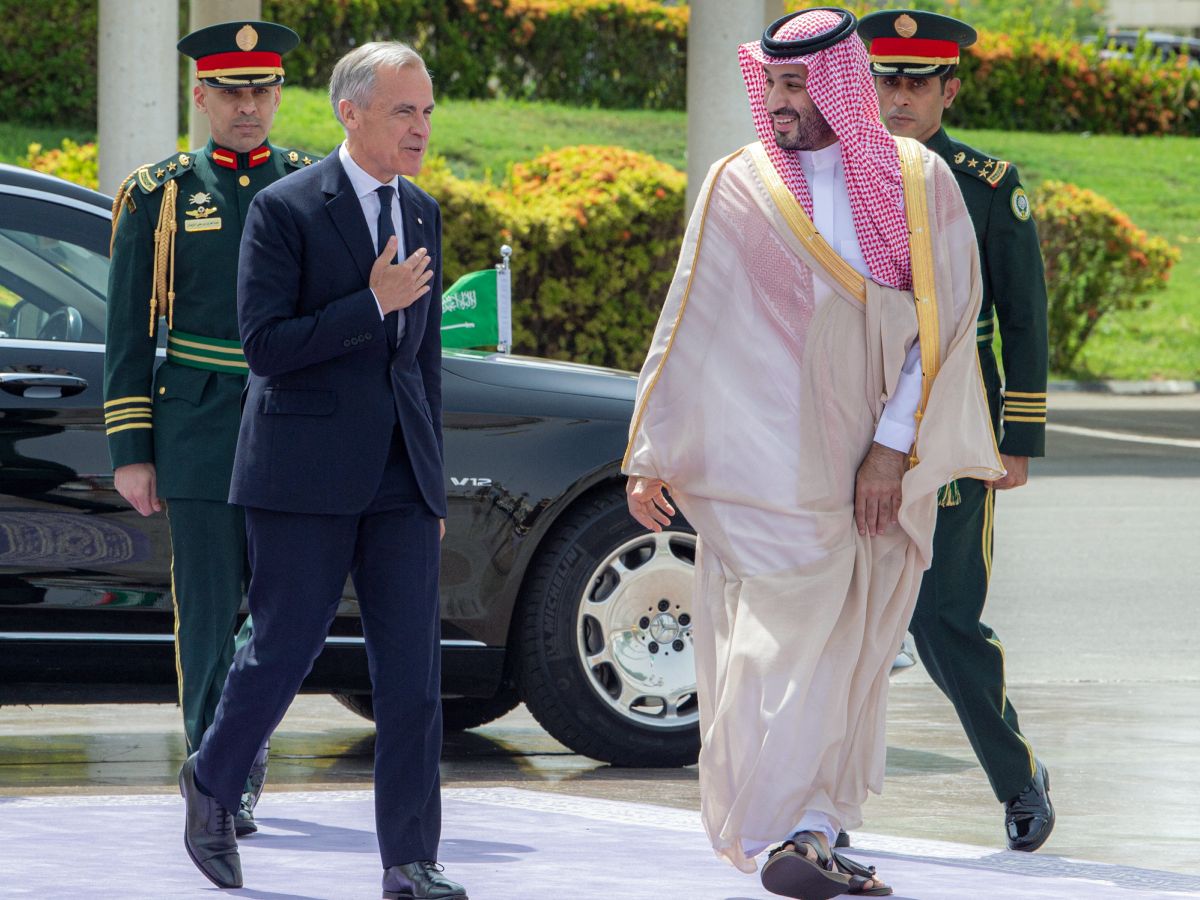
So what was Project Fear? In essence it is largely understood to be the series of dire economic warnings issued by ministers, government agencies, the treasury, business groups, the Mark Carney-headed Bank of England to some extent and others, communicated with some force to the public ahead of the vote.
Article content
These warnings included predictions that simply voting to leave the EU, let alone leaving, would cause such an economic shock that there would be an immediate rise in unemployment, the economy would fall into recession, share prices would crash and there would be a meltdown in the financial markets. This culminated a week or so before the referendum with my own party’s Chancellor of the Exchequer (finance minister) warning that voting to leave the EU would cause such an immediate economic shock that the government would be required to cut the NHS, education and public services by 15 billion British pounds (C$28 billion), whilst also slapping an additional 15 billion pounds of tax increases on the public!
























/https%3A%2F%2Fsportsmole-media-prod.s3.gra.io.cloud.ovh.net%2Fuploads%2F2026%2F07%2Fdaniel-mcgregor-huyer-zuma-press-wire-luciano-gonzalez-anadolu-abacapress-com-estadio-azteca-harry-kane-jude-bellingham-composite-6a49eb8857b70695441164.png)
 Bengali (BD) ·
  English (US) ·