.png)
 1 hour ago
3
1 hour ago
3
Article content
Champion credits the rise of tinned fish to a few factors, including satisfying a desire for protein in one handy, high-quality package. While in the past, LeBlanc says they considered heart-healthy omega-3s the selling point, today, it’s all about protein. With 20 grams per 100 grams of drained sardines, for instance, tinned fish can be an affordable source.
Article content
The trend is also rooted in a return to “real food” and the concept of skincare from the inside out, says Jo-Ann McArthur, president of Nourish Food Marketing. With “Sardine Girl Summer” now in its second year, expressing itself in everything from silvery nails to fish-shaped clutches, “eating your skincare” is big on TikTok. Oily fish, such as sardines and mackerel, “seems to be a tasty way of bypassing the pill supplements.”
Article content
As with many other food trends, McArthur says the premiumization of tinned fish in Canada started in fine dining. The modern charcuterie trend gave way to sea-cuterie boards, and tinned fish adopted a fashion aesthetic.
Article content
Chef Grant van Gameren brought attention to conservas (high-quality tinned seafood from Spain and Portugal) at the Spanish restaurant Bar Isabel, which opened in Toronto in 2013, and sister spot Bar Raval, a Barcelona-inspired pintxos bar founded two years later.
Article content
Article content
Article content
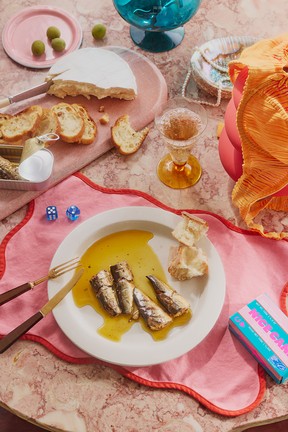
Companies such as Los Angeles-based Fishwife and Scout, both of which entered the market in 2020, helped further transform it. Chef Charlotte Langley, a Prince Edward Islander based in Prince Edward County, Ont., conceived of Scout in 2014, “and now she’s taken it, I think, a step further with her very cheeky, Nice Cans branding,” says McArthur.
Article content
Plus, more Canadians are travelling to Portugal than ever before. There, tinned fish shops are a sight to behold, adds McArthur. “They’re absolutely like little jewel boxes.”
Article content
Tinned fish cans are often colourful and collectible. Some companies hire artists to illustrate limited-edition releases, which helps create excitement, says Champion. Part of what’s fuelling the explosion of tins “is the sort of Pokemon-esque-ness of it,” he adds. “This kind of ‘gotta catch ’em all’ thing, where people want to try all the different varieties of fish and seafood out there.”
Article content
Nice Cans’ vibrant packaging was inspired by European conservas culture, says Langley, founder and CEO. “We’re getting a taste of this beautiful packaging and this lifestyle.” After launching in Canada in April 2025, Nice Cans expanded to Australia, Mexico, the United States and the U.K.
Article content
Article content
Langley calls sardines “a gateway fish to new experiences,” and notes that it took “an intense amount of marketing and education” on the part of Fishwife, Scout (which she’s since exited) and a few others to turn them into the sought-after product they are today. Nice Cans started with three types of sardines because Langley recognized their conversion potential. “It’s going to grab the most attention, be the most dramatic, and be perfectly timed to encourage people to have more diversification in their diet.”
Article content
She appreciates the creativity surfacing with tinned fish, and jokes that it’s “can-venient” cuisine. “People are looking for convenience that provides what they need for their bodies and what makes them feel good. It’s as simple as that, I think.”
Article content
Tips for building a sea-cuterie board
Article content
“Complement and contrast your flavours and textures,” says Luke Champion of Good Cheese, adding that variety is key. Choose two or three different cans to build your board around and add textural elements. Champion likes a crunchy potato chip and a crusty baguette. For a hit of acid, which “plays nicely with the richness of the oil and fish,” try lemon wedges, cornichons, briny olives or capers.






























 Bengali (BD) ·
  English (US) ·