.png)
 1 hour ago
6
1 hour ago
6
Some years ago, Helen Keyes was pushing her way through a World Cup crowd with her soccer-loving brother and father. “What is it about this sport or this event that you like?” she remembers asking them. “Is it the sport itself? Is it being around the other people? The sense of togetherness?” They were stumped, and replied that they’d never thought about it. “I thought, I'd really like to think about it,” remembers Keyes, who is a cognitive psychologist at Anglia Ruskin University in England.
Keyes is one of many psychologists who view the World Cup, which is held every four years, as part of the quest to answer this question: What do people get out of watching sports? And the important follow-up: Does being a sports fan come with any benefits for health?
Research by Keyes and others has revealed that watching sports of all kinds, both in-person and on a screen, can have positive impacts on well-being. And even when your team loses—as they are practically guaranteed to do at some point—fans still get something out of the social act of following a team.
Is going to a sports game good for you?
Using data from a survey of more than 7,000 people in the U.K., Keyes and her colleagues set out in 2023 to see whether attending a live sporting event in the last year changed people’s self-reported anxiety, loneliness, and sense that life was worth living, among other measures. They also looked at links between these factors and demographic data, such as whether people were employed, their health status, and their gender. The games didn’t have to be high-priced events with professional players; local matches between amateurs counted, too.
What they found was that attending a live match significantly boosted some measures of well-being. “Attending a live sporting event was associated with a greater sense that your life is worthwhile,” Keyes says. Life satisfaction went up, and loneliness diminished. They found that attending a live event had an even greater impact on people’s sense that life was worth living than whether they had a job or not.
This suggests that getting people to attend sports events might be a good way for governments to help improve mental well being, Keyes speculated. (Other methods her research has explored include supporting crafters and encouraging volunteering.) “We are trying to find what's the best benefit we could get to improve public health and well-being in a way that's enjoyable for people,” she says.
Does being a sports fan improve well-being?
Anyone who has felt the incredible highs and lows of following a sports match might wonder: Is this a net benefit? "They know going in that there's a 50% chance that when they are finished consuming this product, they are going to be cranky,” says Daniel Wann, a social psychologist at Murray State University in Kentucky who has studied sports fandom for decades. The question has inspired a lot of psychological research, including on the phenomena of CORFing and BIRGing: acronyms for “cutting off reflected failure,” or distancing oneself from a team when they lose, and “basking in reflected glory” when they win.
But overall, sports fandom seems to be a win for mental health. People find ways to restructure and frame their understanding of a game where their team loses. “I don’t know how you can be a sports fan and not be resilient,” Wann says. And in general, the psychological benefits of following a team are substantial. “Individuals that are really involved in a sports team, they have higher self-esteem, they have lower levels of loneliness and alienation, and they have a higher sense of social connectivity,” he says. “Fandom has the capability to help individuals meet basic psychological needs, like the need to belong.” At the same time, sports fandom allows people to set themselves apart from the group, giving themselves a unique identity within the community. You might be the sports fan who follows both football and archery, for example, or someone who specializes in following a particular group of players. Individuation is a basic psychological need, too.
The regular cycles of sports also provide a kind of structure to fans’ lives. Someone might remember where they were during the last World Cup, or they might be planning their Super Bowl parties a full year ahead of time. These rituals are comforting, says Wann, and give people something to look forward to.
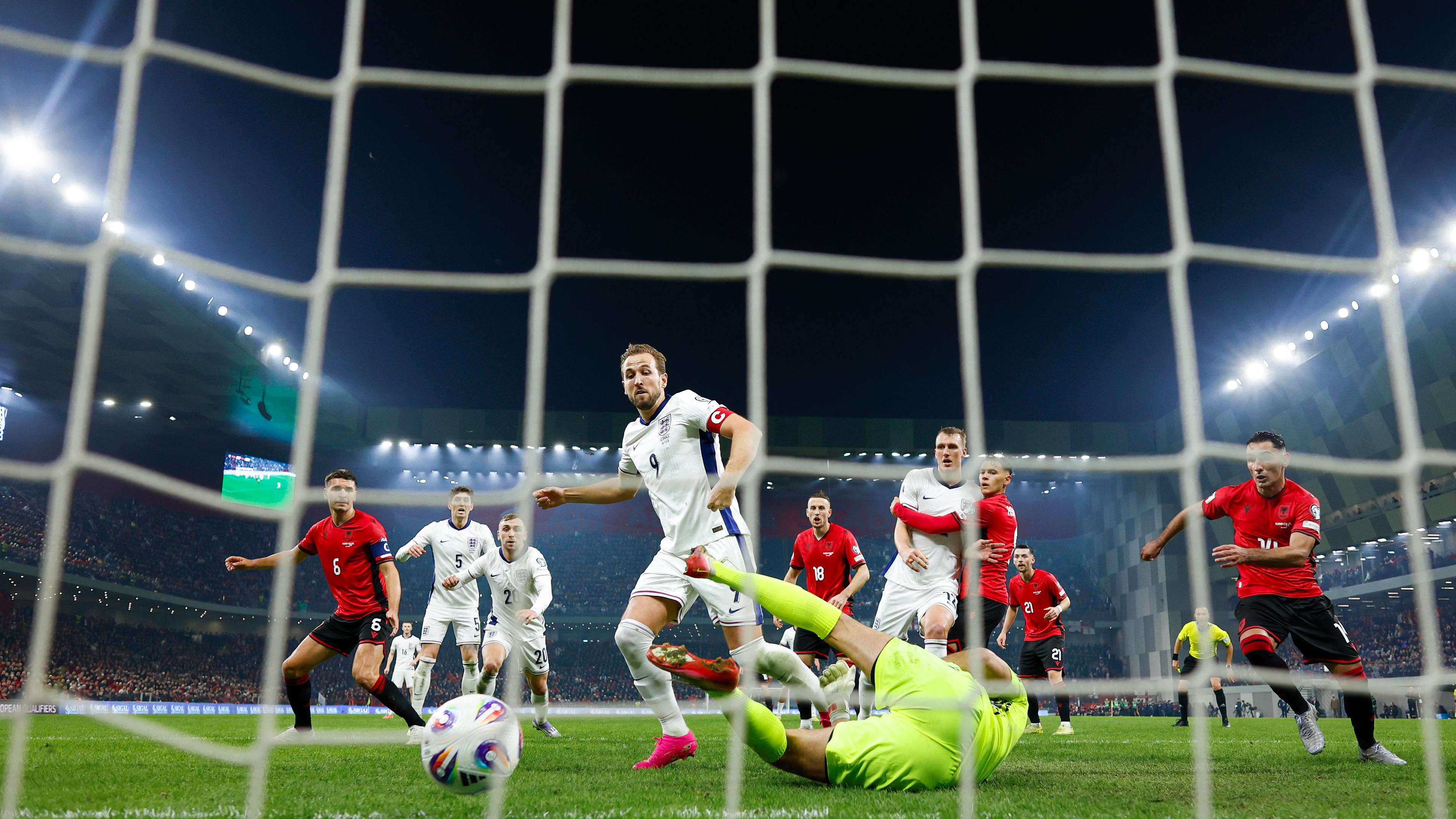
As the World Cup gets under way, fans around the world will congregate not only at stadiums, but in places where they can cheer on teams together. “I'm sure there are a lot of psychologists in that crowd,” Keyes says, “asking all of those fans what's making this special for them, about being with each other.”























 Bengali (BD) ·
  English (US) ·