.png)
 2 hours ago
9
2 hours ago
9
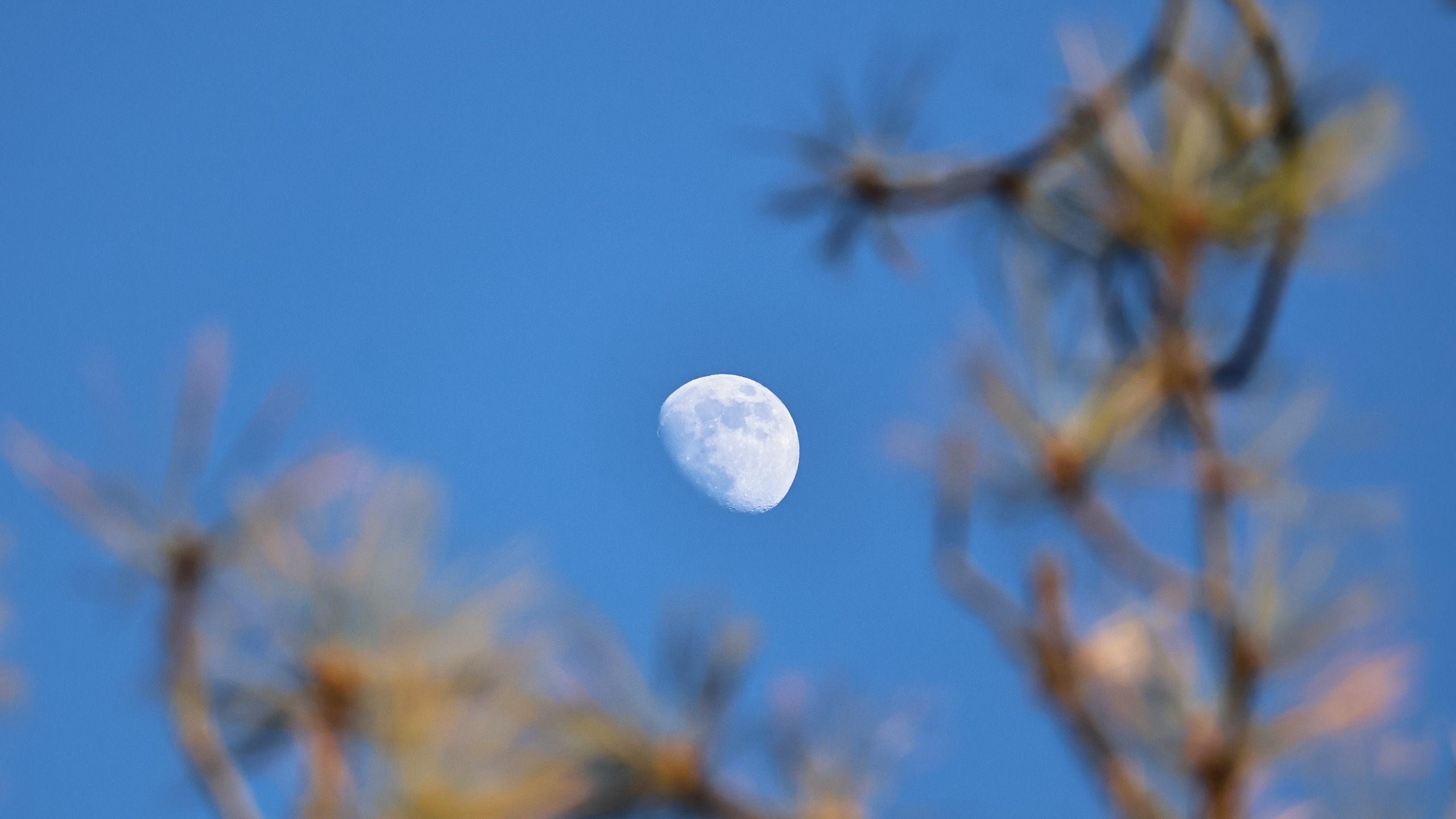
I know perfectly well that the moon comes out during the day. I have known this for decades. Yet whenever I spot it in a blue afternoon sky, some primitive part of my brain still thinks it has turned up early.
I'm certainly not the only one. Many people don't understand how it could be visible in daylight. In their eyes, the moon is a nighttime object. Why? Because that's when they notice it — it appears brighter.
We tend to think of the sun as belonging to the day and the moon to the night because that's how they're usually presented to us as children. Astronomically, it makes little sense. The moon spends plenty of time above our horizon while the sun is also up — it spends half its time in the daytime sky, in fact.
If the moon, pale but unmistakable, looks slightly out of place against a blue sky, it's not — you are. This week is a great time to get used to seeing it there. Just past first quarter, the moon will spend each afternoon hanging in the daytime sky, becoming easier to spot as the sun sinks towards the horizon.
What's happening and when to look
The moon reached first quarter on Sunday, Oct. 18, and is now waxing toward full moon, which occurs early on Monday, Oct. 26 (Oct. 25 in some time zones). That puts it in the right part of its orbit to be conspicuous during the late afternoon this weekend.
Here's the useful bit to remember. Around first quarter, the moon rises roughly around midday. As it waxes towards full, it rises progressively later in the afternoon. By full moon, it rises around sunset.
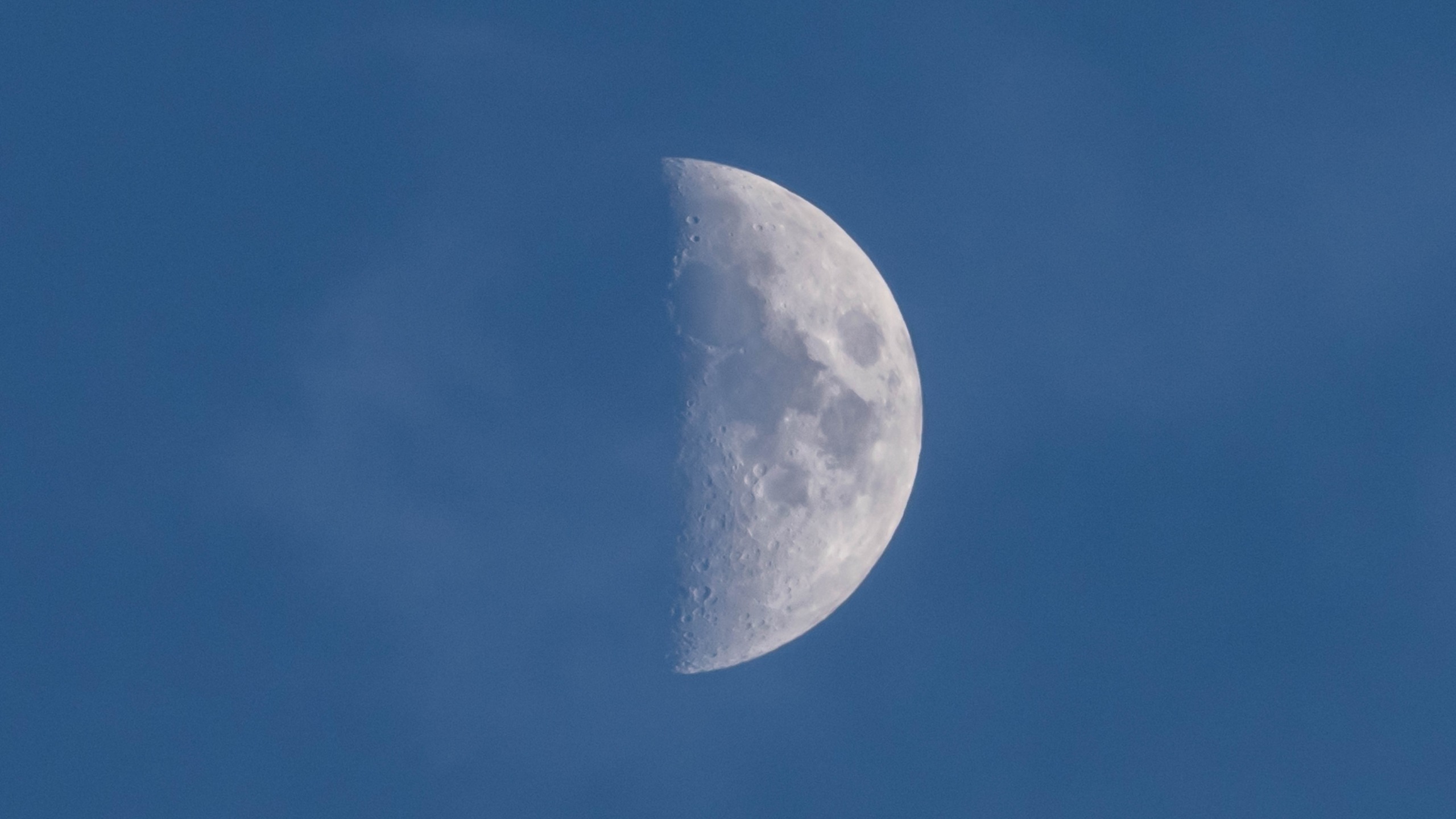
That makes the days immediately after first quarter an excellent time to get into the habit of finding the moon before sunset. On Monday, Oct. 19, look southeast in the afternoon for a moon just over half-lit. Each afternoon this week, it will become a little more illuminated, move farther east against the background stars, and appear progressively later in the day.
You don't need to wait until dusk. In fact, that's the point. Start looking during the afternoon, when the sun is still well above the horizon. Once you find the moon, it can be surprisingly conspicuous against the blue sky.
How and when I'm watching it
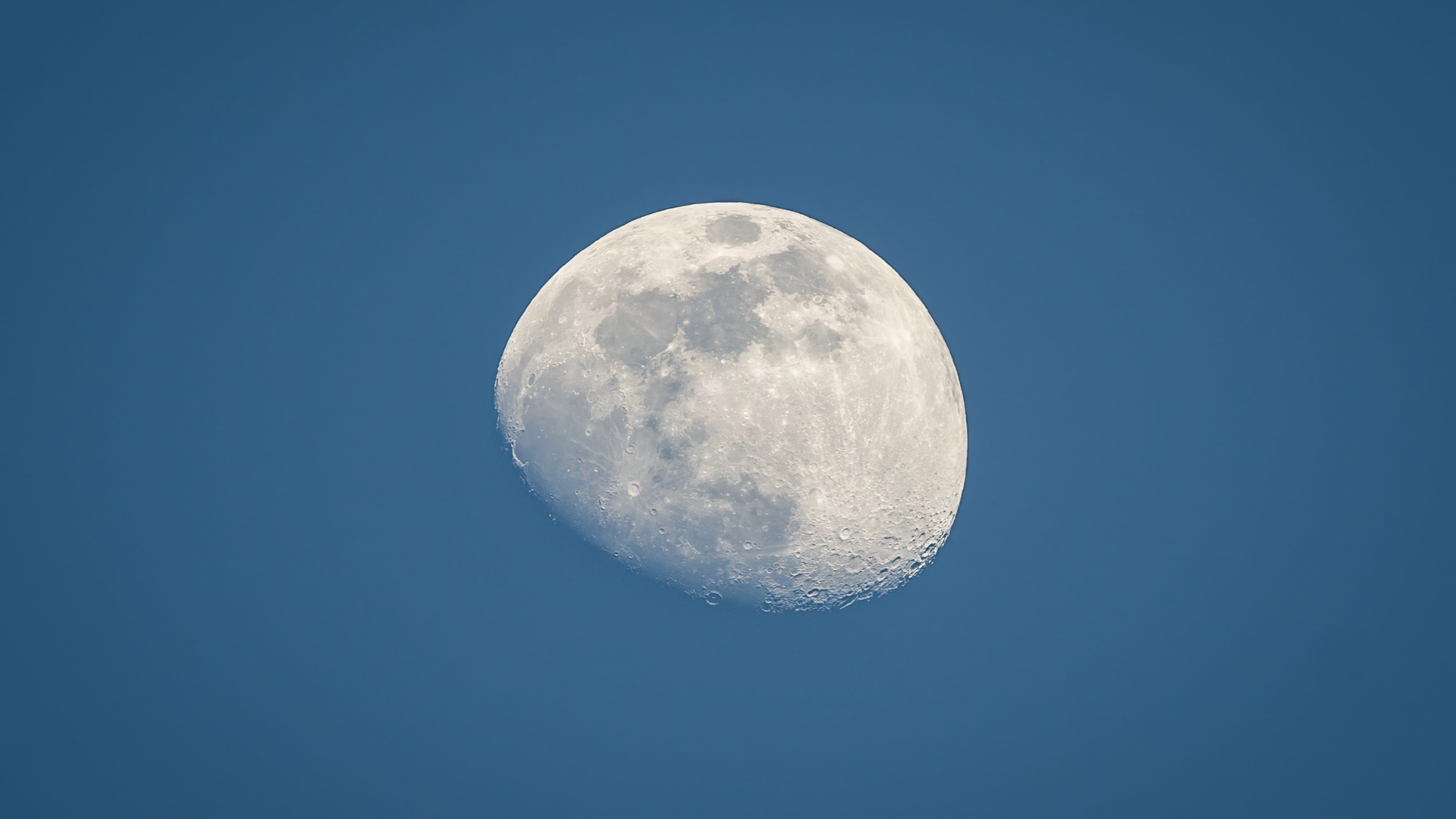
I'll start looking in the mid-to-late afternoon this week, when the waxing moon should already be high enough to find easily. You can check the exact moonrise time where you are, but there's no need to catch it as it rises. Look towards the east or southeast and scan the blue sky.
Once you've found the moon in daylight, keep checking on it as sunset approaches. The moon doesn't suddenly become brighter, of course. Instead, the surrounding sky darkens, increasing the contrast until the pale daytime moon seems to switch on at dusk and grow increasingly brilliant.
Binoculars will give you a superb view at dusk, particularly along the terminator — the boundary between lunar day and night. That's where low-angle sunlight throws mountains and crater rims into sharp relief. As the moon waxes this week, the terminator will move steadily across its surface, revealing a different landscape each afternoon.
That's another reason not to wait for the full moon. The full moon gets most of the attention, but the week beforehand is arguably a much better time to get to know our nearest celestial neighbor — and you don't even have to wait until dark.
Stargazer's corner: October 23-29, 2026
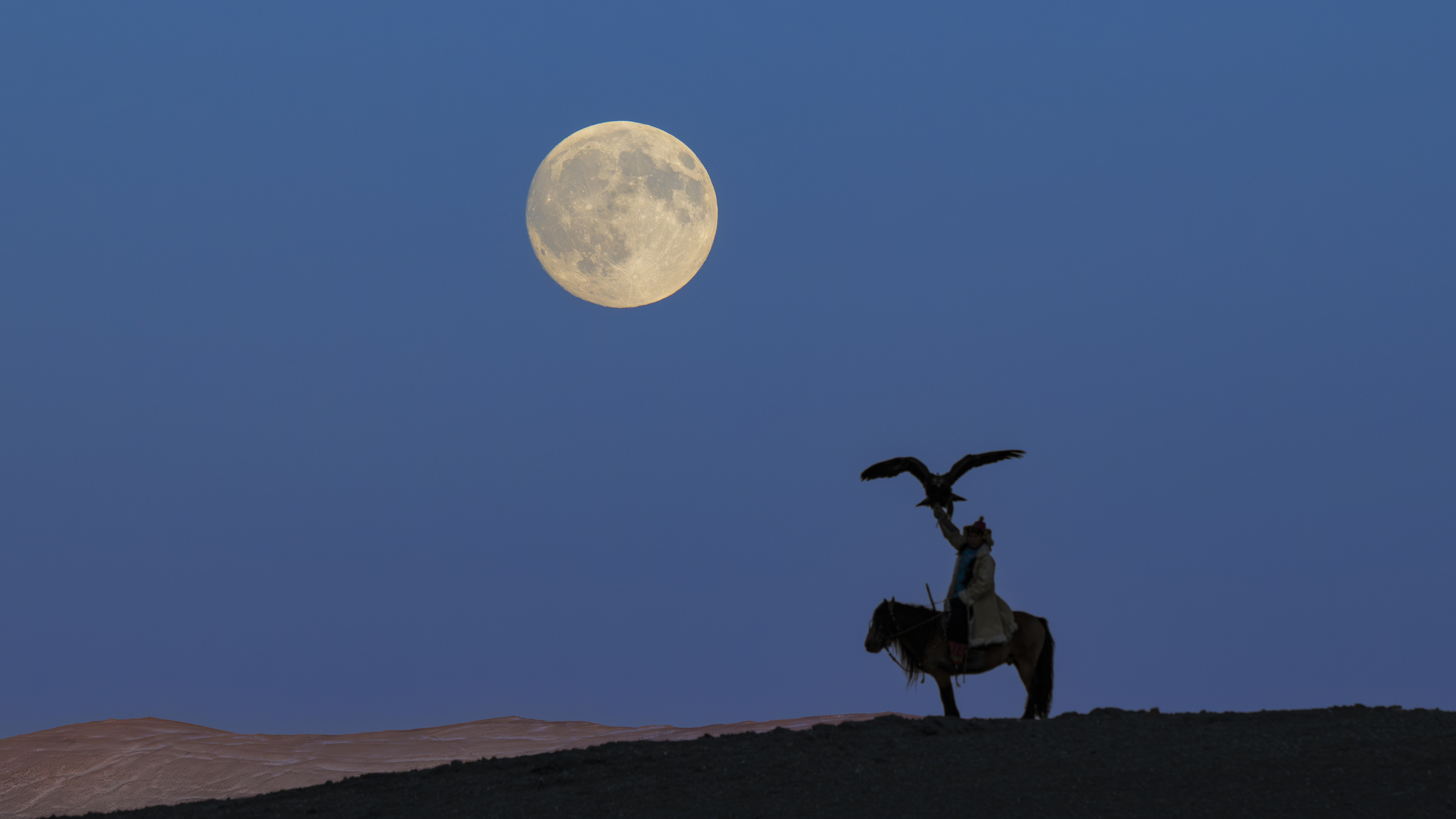
This is a bright-moon week. Full moon arrives early on Monday, Oct. 26, so moonlight will wash out faint stars and make galaxies and nebulas much harder to see. So go for Saturn instead. It reached opposition earlier this month and remains very well placed in the evening sky. Better still, the nearly full moon passes near Saturn around Oct. 23-24, giving beginners a convenient landmark for locating the planet. The moon's glare will hide faint nearby stars, but Saturn itself is easily bright enough to cope. A good example will be Oct. 27, when the Pleiades is passed closely by a bright moon. The Seven Sisters therefore won't be at their best, so you'll need to use binoculars — if you do, you'll see them easily enough.
Constellation of the week: Auriga
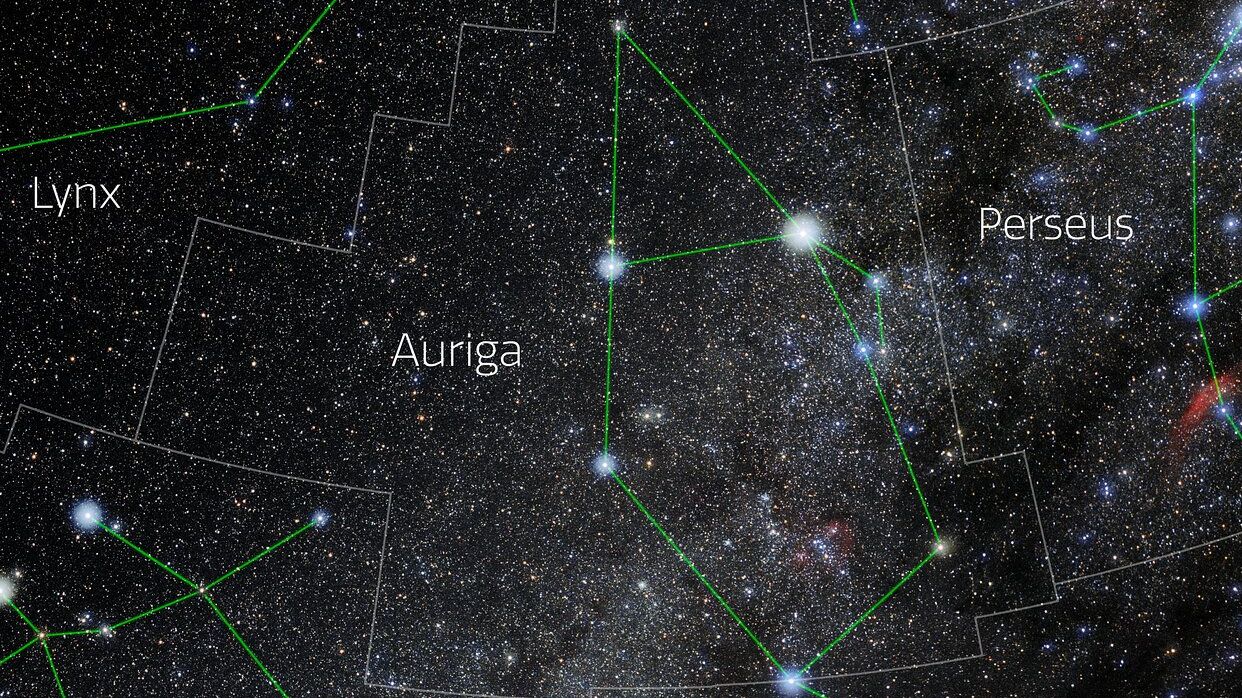
Auriga, "the Charioteer," is climbing in the northeastern and eastern sky during late October evenings. It's easiest to find if you start at Capella, one of the brightest stars in the entire night sky. It's just 43 light-years from the sun. From there, I look for the other stars that form Auriga's rough pentagon, including Menkalinan, Mahasim and Almaaz. The fifth corner is Elnath, although it officially belongs to neighboring Taurus.
Auriga gets even better with binoculars. The Milky Way runs straight through it, bringing with it three bright open star clusters — M36, M37 and M38. All three show up in binoculars under a reasonably dark sky, while a small telescope starts to resolve them into individual stars. There's always another layer to find in the night sky.
My latest stargazing obsession
There's something special about stargazing during the blue hour — that brief transition when daylight drains from the sky and night's window begins to open. It's particularly beautiful a few days before full moon, when the near-full orb is already rising in the east as the sun sets in the west. Look below it, and you may also see the Belt of Venus, a pinkish band above the eastern horizon caused by reddened sunlight shining through Earth's atmosphere, with our planet's dark blue-gray shadow beneath. As the sky fades through ever-deeper shades of blue, the moon brightens, and the first stars emerge around it.





























/https%3A%2F%2Fsportsmole-media-prod.s3.gra.io.cloud.ovh.net%2Fuploads%2F2026%2F10%2Fronaldo-portugal-6abeaa661f6ac972531182.jpg)
 Bengali (BD) ·
  English (US) ·