.png)
 2 hours ago
7
2 hours ago
7
The story began with a Facebook message that would change my life. In 2019, shortly after I graduated from USC’s film school, I received a message from a woman I’d never met. Angela Madsen was a Marine Corps veteran, a Paralympian, and a record-breaking ocean rower who, at 60, had set her sights on her most ambitious goal yet: a solo, unsupported, 2,500-mile journey across the Pacific Ocean, rowing from Los Angeles to Honolulu.
Angela had been paralyzed from the waist down at 33 after a botched spinal surgery. As she adjusted to life in a wheelchair, she found a new purpose in adaptive sports and quickly excelled. She wasn’t just good—Angela was world-class good.
Angela had seen a short film I’d made about sailing and reached out to ask if I would document her journey. She described the still-nascent project as “a little video,” an early irony that I would come to learn was paramount to Angela’s ethos.
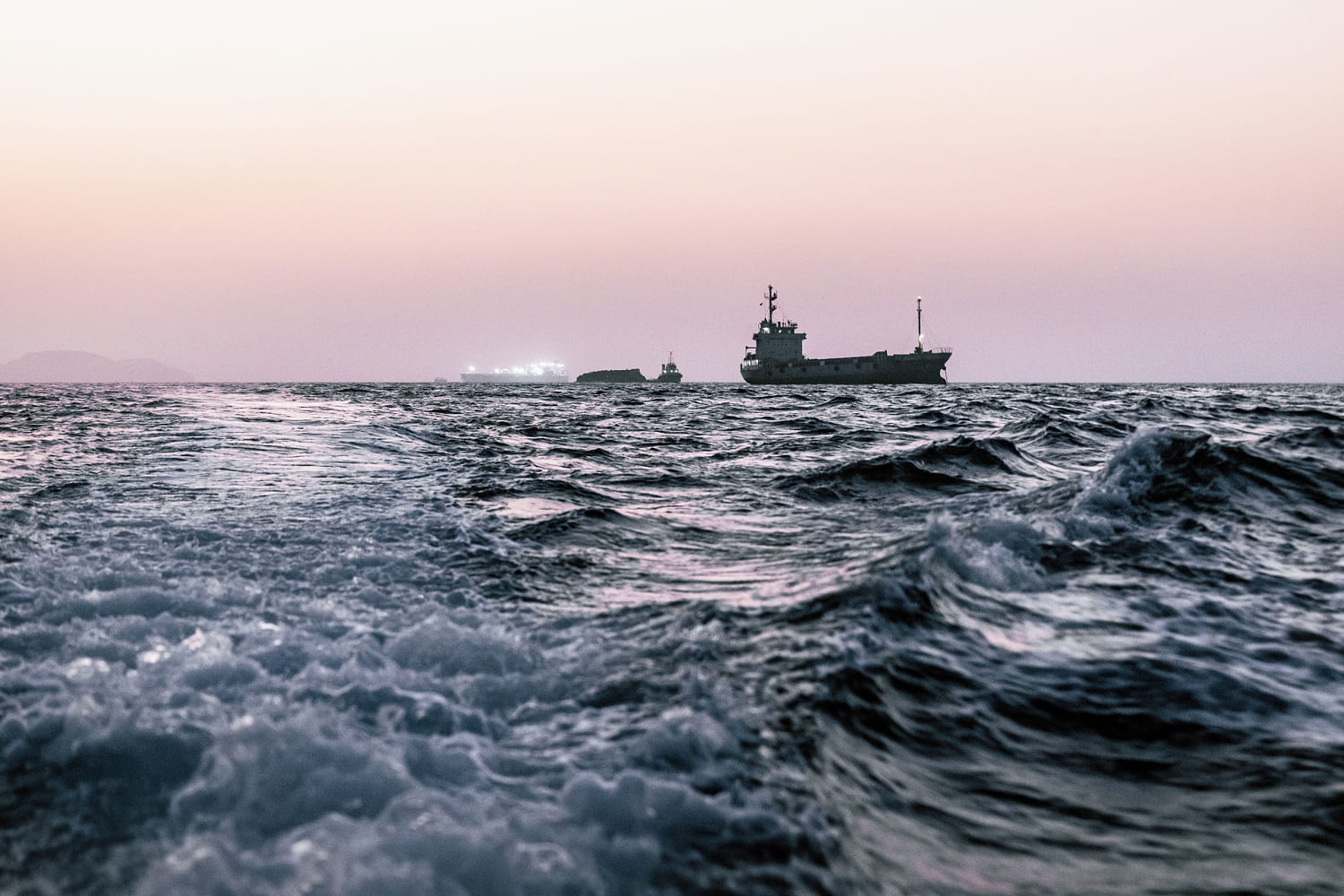
If you’ve heard of Angela, you know how this story ends. Her 2020 open-ocean row took a tragic turn. At the halfway point, she climbed out of her boat, Row of Life, to make a repair and, for reasons that remain unclear, never made it back on board. After a 24-hour search-and-rescue, a cargo vessel found Angela’s body still tethered to her 20-foot ocean rowing boat. With an unruly sea-state, they were unable to retrieve anything more than her body, and left the boat—with everything on board, including the footage of her final sixty days—adrift.
The next morning, Angela’s death made headlines around the world. Overnight, she became an American hero and media sensation. Thousands of people were captivated by her story, and our “little video” suddenly became something much larger: a vital record of not only one woman’s legacy, but of a cultural phenomenon.
For me, she was also a friend—the first I’d ever lost so tragically and publicly—and the subject of a film I no longer knew how to finish.
Before we could salvage the boat, a vicious Category IV hurricane popped up on radar and obliterated everything in its path. Row of Life vanished without a trace, taking with it the final record of Angela’s time on Earth.
For months, I refused to accept it was gone. I reached out to oceanographers and debris experts, mapping possible drift patterns. I was fixated on finding Row of Life and the footage still on board. A year passed. I moved to another country and tried my hardest to forget. I thought, if anything, I could write a book about my experience.
Then, a year and a half after Angela’s death, after I had lost all hope of ever finding the boat, it resurfaced. More than 3,000 miles away from its last known location, Row of Life washed ashore on a remote atoll in the Marshall Islands, with everything still on board.
Finding the boat was only the beginning. Getting it back proved anything but simple.
The boat had washed ashore on land governed by tribal authorities, where customs didn't easily accommodate outsiders. When I arrived in the Marshall Islands with my cinematographer, we soon discovered the complexity of the task in front of us. We found ourselves navigating a web of overlapping politics and competing authorities, each with their own priorities.
We negotiated with local politicians for permission to travel to the protected atoll where her boat was stuck. We offered photos of Angela, her grandchildren, and her life—anything that would humanize our mission and help us build trust. Meanwhile, we chased reports of SD cards circulating around in the capital, Majuro, only to realize the leads were fake. Again and again, we followed rumors of existing footage, only to discover that we had arrived a day or a few minutes too late.
For days, we chased one dead-end lead after another, igniting tensions with the local tribe who felt we bypassed the proper channels by failing to seek permission from the chief. Then came an arrest warrant that forbade us from setting foot on the island with Angela’s boat.
Despite being in paradise, each day was a new kind of hell. We navigated political quicksand, finding that no matter how hard we tried to respect local customs, we always seemed to get it wrong. Finally, after a tense, three-hour lunch with the chief, permission was finally granted. With dwindling fuel and our hopes fading, we raced to Row of Life.
When we finally got there, she looked like a carcass of a beached whale, ransacked and weathered. Locals had scavenged and pawned everything of value: the leftover ramen, the GPS system and, most importantly, the cameras and SD cards, which were now spread across hundreds of islands, erased, ruined, or—for all we knew—forgotten.
In the end, we came home with only a few precious items: Angela’s rowing seat, her Marine Corps badges, and a tattered American flag. There was no footage.
For a long time, I felt like I had let Angela down. The night I got back from the Marshall Islands was the only night I ever dreamed of her. She was rowing where the sky and sea reflected each other, disappearing into infinity. I told her we tried everything, but still failed. Suddenly, I was on shore, watching her fade into the horizon.
As she faded into the distance, her voice called back, “I’m sure everything will get to you eventually.”
More time passed. My restlessness grew, and I began to see the footage we did have in a new light. Piece by piece, we tinkered away and I began to see what we did have in a new light. The absence of original footage forced us to find new voices to reconstruct the story, most notably Deb, Angela’s widow. In the process, the film transformed. What we thought we were telling—a triumphant adventure sports story—became something else entirely: a love story. Not about what love is, but what love does. About Angela’s unwavering belief that her journey mattered, and Deb’s unconditional faith in her.
Ultimately, that’s what Row of Life became. Not a film about what was lost at sea, but about what endured.























/https%3A%2F%2Fsportsmole-media-prod.s3.gra.io.cloud.ovh.net%2Fuploads%2F2026%2F05%2Fscheffler-6a034d9fca412032057779.jpg)
/https%3A%2F%2Fsportsmole-media-prod.s3.gra.io.cloud.ovh.net%2Fuploads%2F2026%2F06%2Ficonsport-111147-0089-1-6a27d006a81d1227497324.jpg)
/https%3A%2F%2Fsportsmole-media-prod.s3.gra.io.cloud.ovh.net%2Fuploads%2F2026%2F06%2Fimago-xinhua-nestory-irankunda-celebrates-scoring-for-australia-in-the-world-cup-on-june-14-2026-6a2f348854d1b663111439.jpg)
 Bengali (BD) ·
  English (US) ·