.png)
 11 hours ago
13
11 hours ago
13
NEWYou can now listen to Fox News articles!
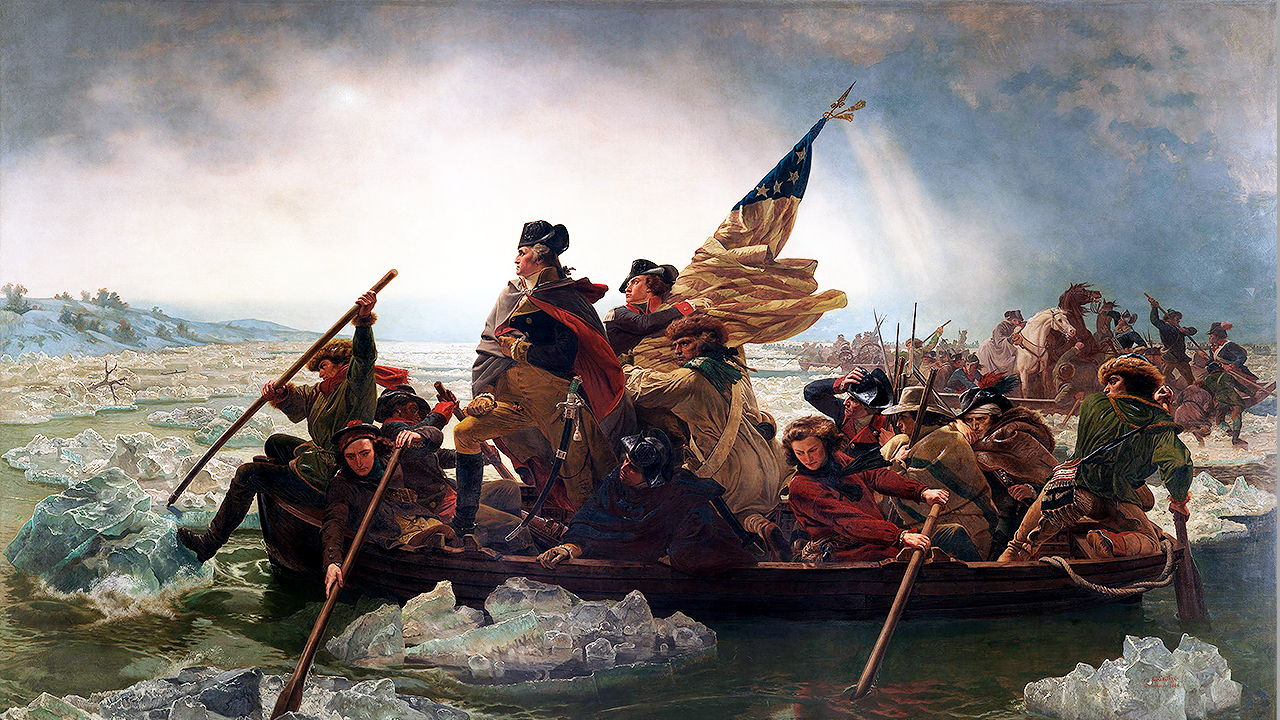
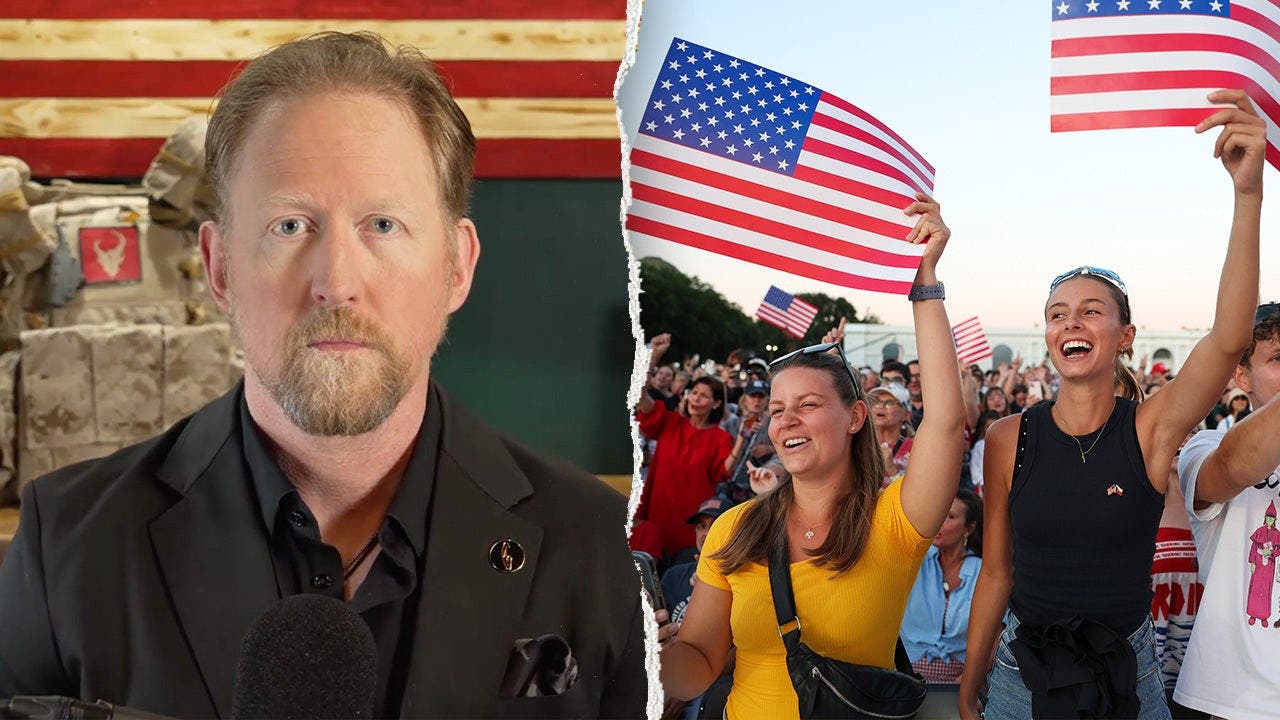
Can Americans come together over the next week to celebrate the nation’s 250th anniversary? With the country seemingly split into irreconcilable, and increasingly violent, camps, storm clouds darken the summer commemorations. Those worrying that the Semiquincentennial will be a giant bust should look no further than the Bicentennial. Plagued by similar fears, the Bicentennial turned into the biggest party the country had ever seen. Today, Americans should take heart and party like it’s 1976.
America’s two-hundredth anniversary came either at the worst possible moment or just in time. The previous 13 years had been among the most violent and disruptive since the Great Depression, possibly even the Civil War. The upheavals of the Civil Rights Movement had been punctuated by the tragic assassinations of President John F. Kennedy, the Rev. Martin Luther King Jr., and presidential candidate Robert F. Kennedy. America’s postwar consensus had spectacularly disintegrated barely two decades after the resounding victory in World War II.
To many, America had fundamentally changed. After the assassinations and riots, and the lies of Vietnam and Watergate, the country had become more cynical and distrusting of government, the elites, and big business. As a Boston Globe columnist wrote, the great issue in the 1976 presidential campaign would be "to restore confidence of the American people in their government and themselves," short of which he feared the country would remain "purposeless, rudderless, powerless."
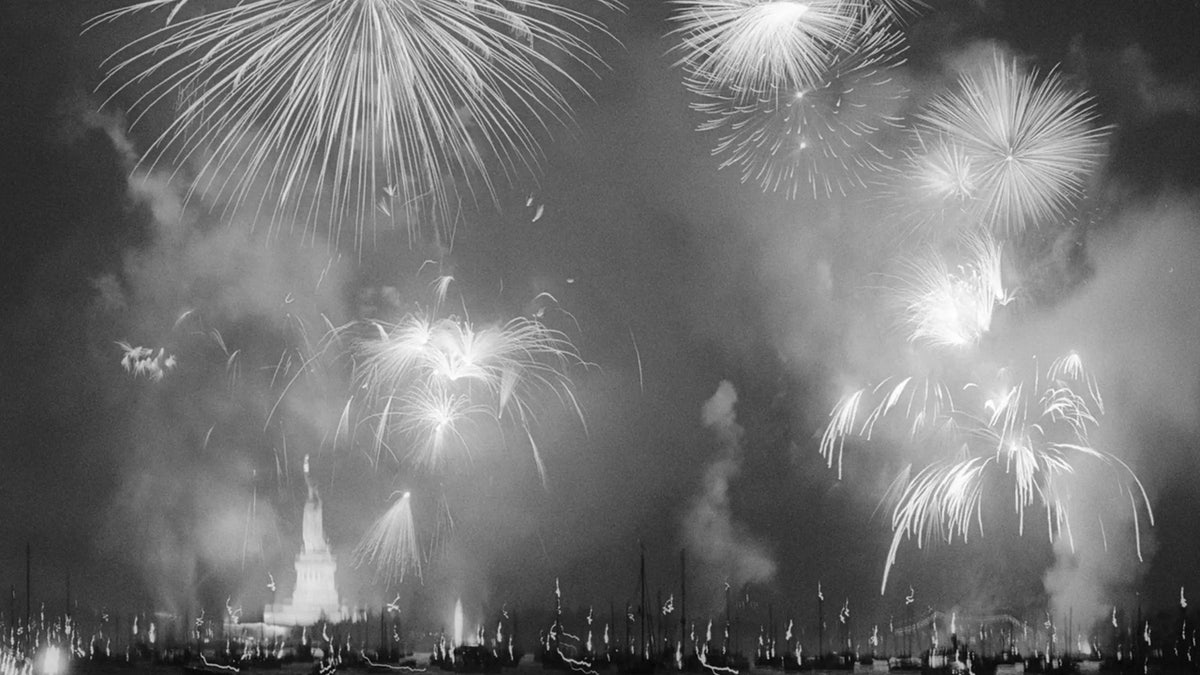
Fireworks fill the night sky over New York Harbor and the Statue of Liberty in celebration of America's Bicentennial, New York, New York, July 4, 1976. (Allan Tannenbaum/Getty Images)
In a country at once exhausted and divided, it could well be questioned whether Americans would celebrate or jeer the Bicentennial of the Declaration of Independence. Overwhelmingly, they celebrated.
As the jubilee approached, Bicentennial fever swept the country. A torrent of words on the Declaration and the Revolution poured off the presses, most with praise, many also arguing that America still struggled to live up to the promises of her founding document.
Over 12,566 towns and cities participated in the Bicentennial Communities project, renovating parks and historic buildings or building new community centers. Over seven million Americans visited the Freedom Train, which left Wilmington, Del., on April 1, 1975, and crisscrossed the country before ending its run on Dec. 31, 1976. As many as 10 million tourists toured Independence Hall and saw the Liberty Bell in Philadelphia. Queen Elizabeth II made a triumphal state visit, landing first in Philadelphia.
HOW CAPITALISM MISSED OUT AND FAILED TO CAPITALIZE ON AMERICA’S 250TH ANNIVERSARY
Against all expectations, the Bicentennial turned into both the greatest patriotic celebration and the greatest sales event in American history. Decades before e-commerce made buying with a click ubiquitous, Bicentennial hats, shirts, flags, medallions, coins, mini–Liberty Bells, commemorative booklets, posters, pillow covers, bed linens and pewter engravings sold by the millions through mail-order or catalogs.
Not surprisingly, Washington, D.C., was the center of the celebrations. Over 1.2 million people viewed the Declaration and Constitution at the National Archives over the course of 1976, while on July 2, the Archives opened its doors for a marathon seventy-six-hour "vigil," during which over 10,000 visitors stood in lines more than three hours long to gaze up at the priceless parchment.
Two days later, a street party took over Constitution Avenue in front of the National Archives, as 8,000 people gathered for a reading of the Declaration, heard patriotic songs and then joined in the cutting of a six-foot-tall, multilayered birthday cake.
NEW ORLEANS HOSTS FIRST STOP OF SAIL 250 AS FLEET BEGINS EAST COAST JOURNEY
On the morning of July 4, famed composer Leonard Bernstein read the Declaration before a crowd in Manhattan’s Battery Park. At 2 p.m. Eastern Time, bells rang out across the nation for two minutes, from church steeples, town halls and firehouses. Parades large and small snaked through Main Streets across the nation as people celebrated with barbecues, sports activities and bands. That evening over a million people packed the National Mall and lined the Potomac to witness a gigantic pyrotechnics display depicting eras in America’s past.
The Bicentennial celebrations did not magically solve all of America’s problems or create eternal fellowship. There were protests and condemnations of the country. However, the vast majority of Americans showed both pride and some badly needed perspective on their history. As an opinion poll taken by the Gallup Organization in June 1976 revealed, 77% of respondents felt that "we had succeeded over these 200 years in achieving the ideals for which this country was founded."
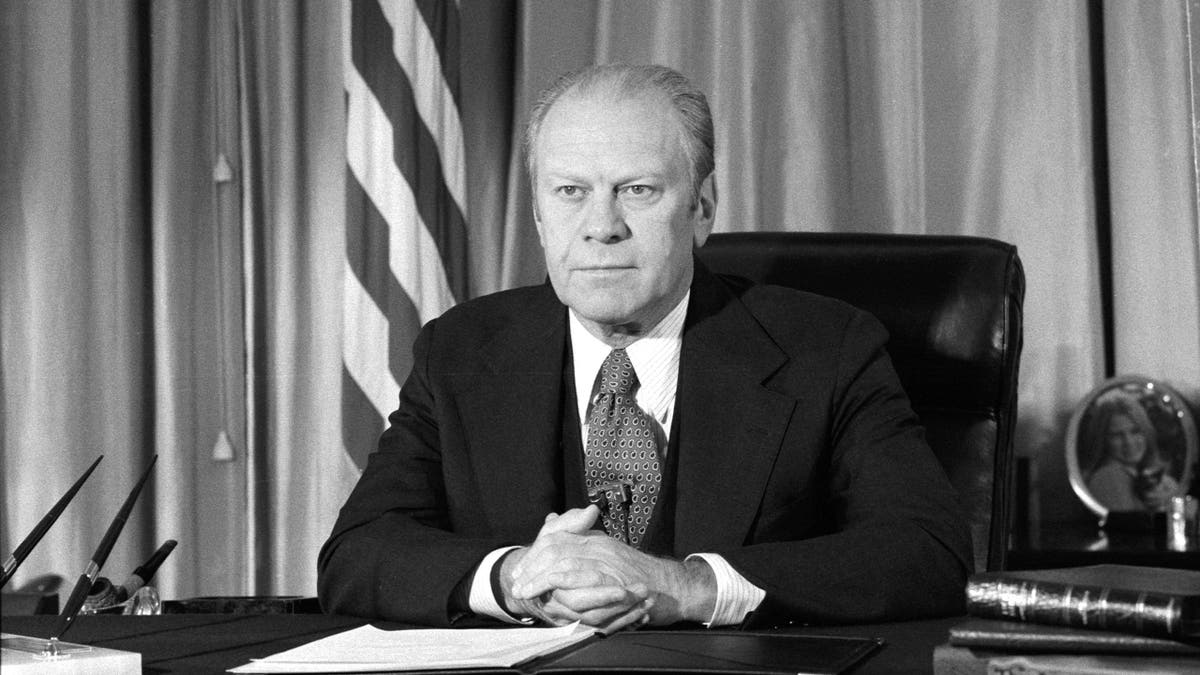
President Gerald Ford is shown at his desk in the White House Oval Office, for a 'Bicentennial Minutes' tape segment on December 10, 1976. (Photo by CBS via Getty Images)
This year, away from the drama in Washington, social media anger and media sensationalism, it’s likely many Americans will feel the same way about their country’s 250th. There is a "Freedom Plane" currently touring the country, and exhibitions at the National Archives, Library of Congress and Smithsonian Institution, as well as at local museums and presidential libraries are drawing thousands of Americans to view artifacts from the country’s past. A new bevy of books on the founding, the Revolutionary War and the Declaration of Independence all are being published, and documentaries are being streamed.
Despite the anger manifested online and in the streets, despite rising incivility and political cage-match rhetoric, and even despite assassination attempts by a handful of deranged individuals, the vast majority of the country goes about its daily life peacefully. Debate and even heated argument about the country’s past are part of our tradition, not signs of imminent civil war.
Against all expectations, the Bicentennial turned into both the greatest patriotic celebration and the greatest sales event in American history.
CLICK HERE FOR MORE FOX NEWS OPINION
Our economic problems are serious, our politicians often incompetent, and our schools failing, among other concerns. Yet we need to remember why millions still come to these shores, why opportunity here is still open for the taking, and why very few Americans would trade life here for political systems in China, Russia or even most of Europe.
CLICK HERE TO DOWNLOAD THE FOX NEWS APP
As America reaches 250, we remain a great nation, even as we strive to fix our ills and create a more perfect Union. If that task remains forever unfinished, it does not delegitimize the country’s existence or our achievements, but calls us to recommit to the principles of the Declaration. Most of us, I am willing to bet, would agree deep down with the words of the Memphis Tri-State Defender, a Black newspaper, written in 1976: "this land is the only land that we have to live in, and most importantly, few Black Americans want to leave it for some other place."
So, don’t worry, be happy, and embrace the "Spirit of ’76."




















/https%3A%2F%2Fsportsmole-media-prod.s3.gra.io.cloud.ovh.net%2Fuploads%2F2026%2F06%2Fkyle-rodden-cal-sport-media-sipa-usa-ivory-coast-winger-yan-diomande-gestures-on-june-25-2026-6a417eae132a5831825833.jpg)
/https%3A%2F%2Fsportsmole-media-prod.s3.gra.io.cloud.ovh.net%2Fuploads%2F2026%2F06%2Fthor-wegner-defodi-images-norway-striker-erling-haaland-watches-on-on-june-26-2026-6a417f27894d6515047302.jpg)
 Bengali (BD) ·
  English (US) ·