.png)
 9 hours ago
39
9 hours ago
39
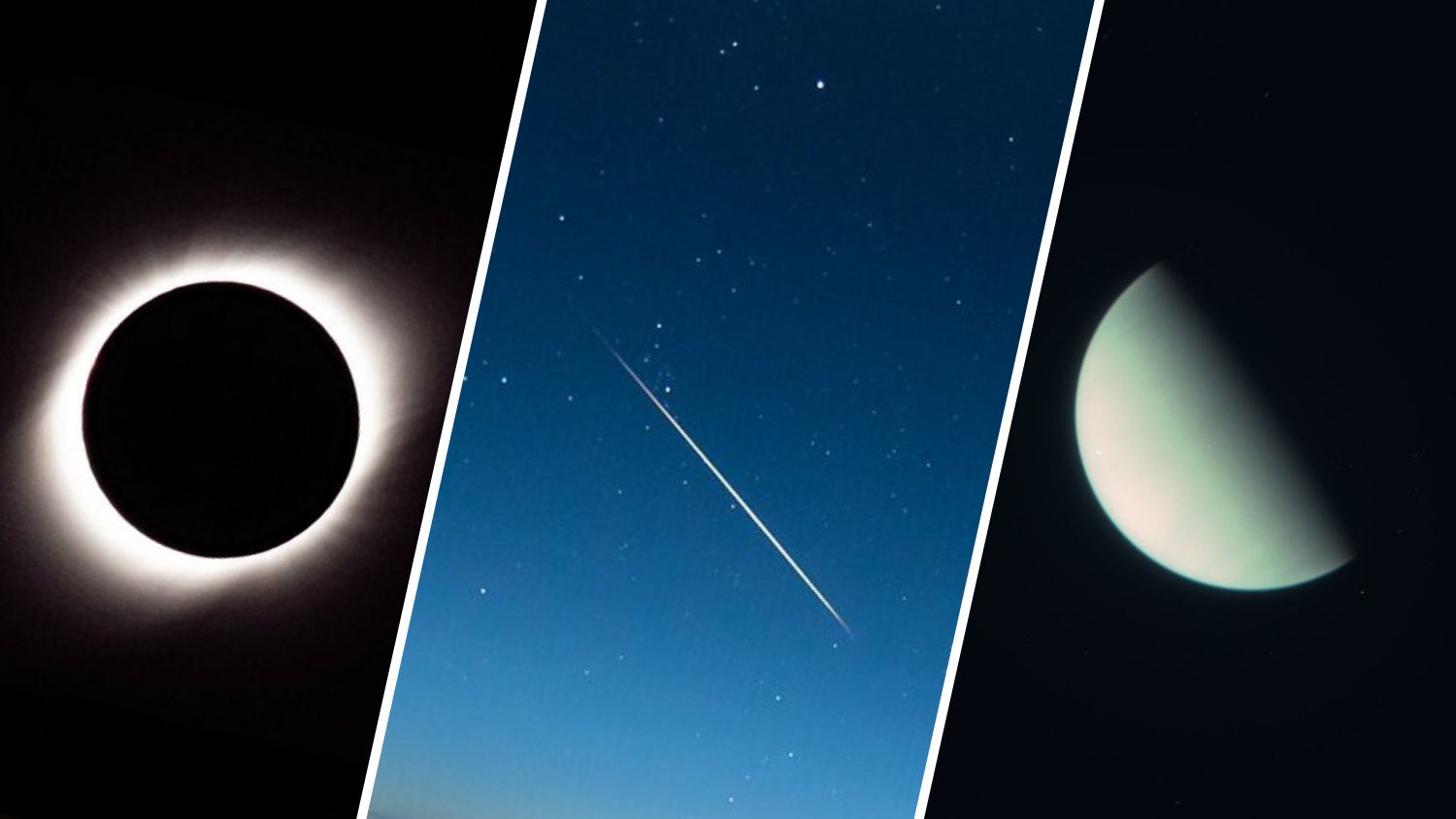
Sometimes weeks go by without anything notable happening in the sky. Then along comes something spectacular, like a total solar eclipse, the peak of a major meteor shower or a bright planet reaching a landmark moment in the evening sky. On Wednesday, Aug. 12, 2026, all three occur almost simultaneously. As a bonus, if you are under a dark sky for the Perseids, the Milky Way's bright central regions will stretch across the southern sky by around midnight.
Exactly what you'll see of the eclipse depends on where you are on Earth. From within a narrow 180-mile-wide path of totality across eastern Greenland, western Iceland and northern Spain, a total solar eclipse will briefly turn day into night for lucky locals and intrepid eclipse chasers. Across the U.K., millions will see a partial eclipse of the sun, ranging from 90% to 95%. Across Europe and northwest Africa, an equally deeply eclipsed sun will peak at sunset, creating a truly strange sight. Minutes later, brilliant Venus reaches dichotomy — appearing exactly half-lit in telescopes, while to the naked eye it blazes at magnitude -4.4 in the western twilight. A few hours later, the annual Perseid meteor shower reaches its peak.
Wherever you are, there will be something worth looking at. Here's exactly what will happen, where and when, depending on where you are (times are from Time and Date).
Iceland or Greenland: a total solar eclipse … and aurora?
If you've traveled to (or live in) western Iceland, or you're booked on an expedition cruise ship on Aug. 12, you're in for a treat. The point of maximum eclipse — 2 minutes 18 seconds — is off the coast of Iceland, accessible by ship, but likely not by many. It's possible that expedition ships in the lower reaches of Scoresby Sund, Greenland, will experience the most totality, with 2 minutes 17 seconds possible at 4:36 p.m. WGST, with the eclipse 25 degrees above the west-southwest. Here, the sun will set at 10:15 p.m., with the darkest time about 12:50 a.m. — there is no truly dark night, just all-night civil twilight. That makes the Perseids and aurora unlikely to be seen even if they're present. Ditto Venus — Greenland is too far north.
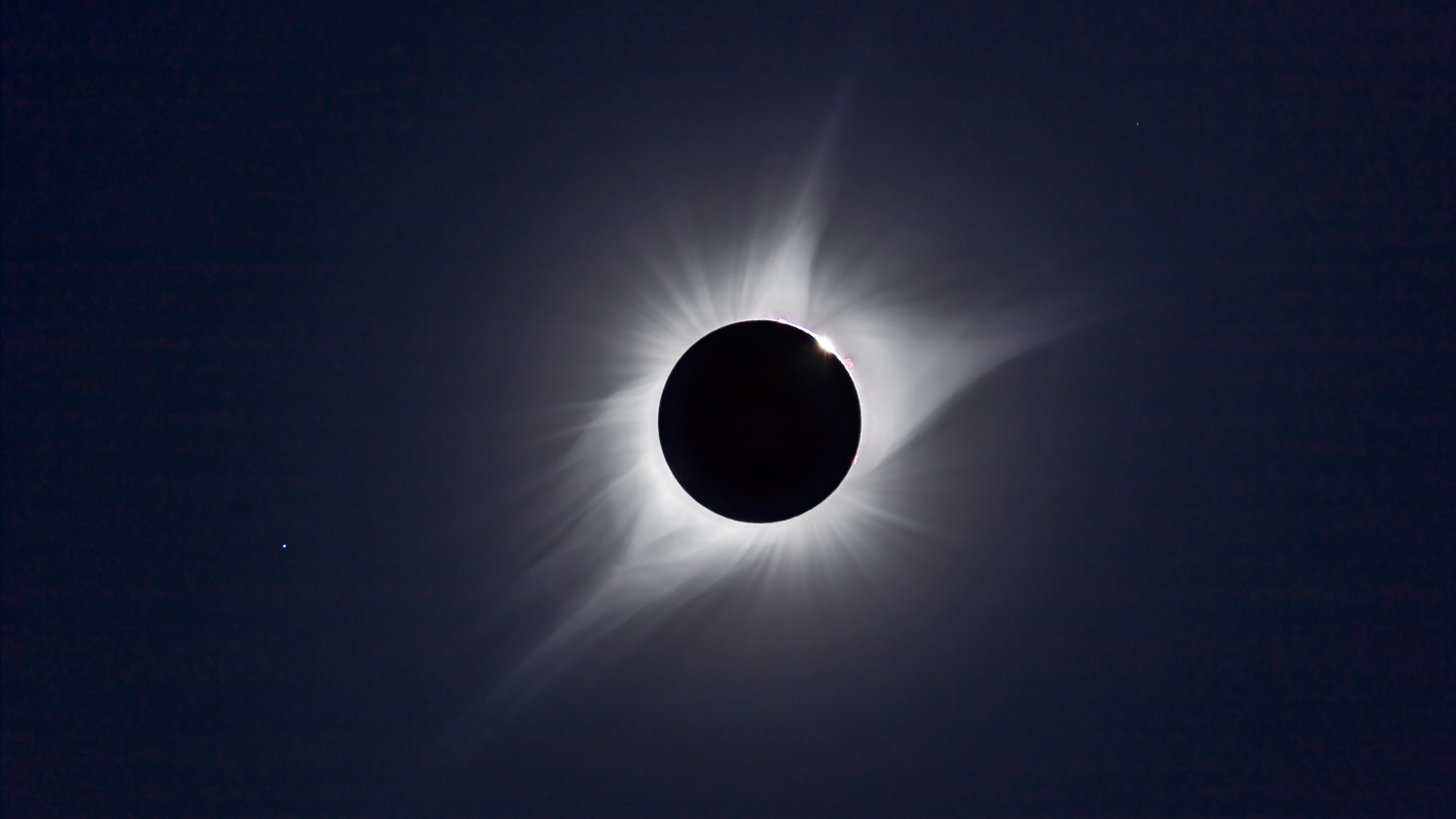
In Iceland, totality will begin between 5:43 and 5:50 p.m. GMT, depending on the exact location. It will last longest in regions farthest west, with 2 minutes 13 seconds at Látrabjarg in the remote Westfjords (5:44 p.m.) and 2 minutes 10 seconds at the westernmost coast of Snæfellsnes Peninsula (5:45 p.m.). The eclipse will be 25.5 degrees above the west-southwest. The sun will set at 9:53 p.m. in Reykjavík, with the darkest window from 11:00 p.m. to 4:00 a.m. (and the darkest time 1:30 a.m.). That makes Perseids and aurora possible — though summer twilight often limits visibility. However, Venus will not be visible after sunset.
Spain: Totality, Venus and the Perseids
For anyone within Spain's path of totality, Aug. 12 promises to be one of the greatest days of skywatching imaginable. The main event comes late in the day as the moon completely covers the sun. In parts of northern and eastern Spain, totality will occur with the sun hanging low above the western horizon, creating one of the most photogenic eclipse scenarios of the century.
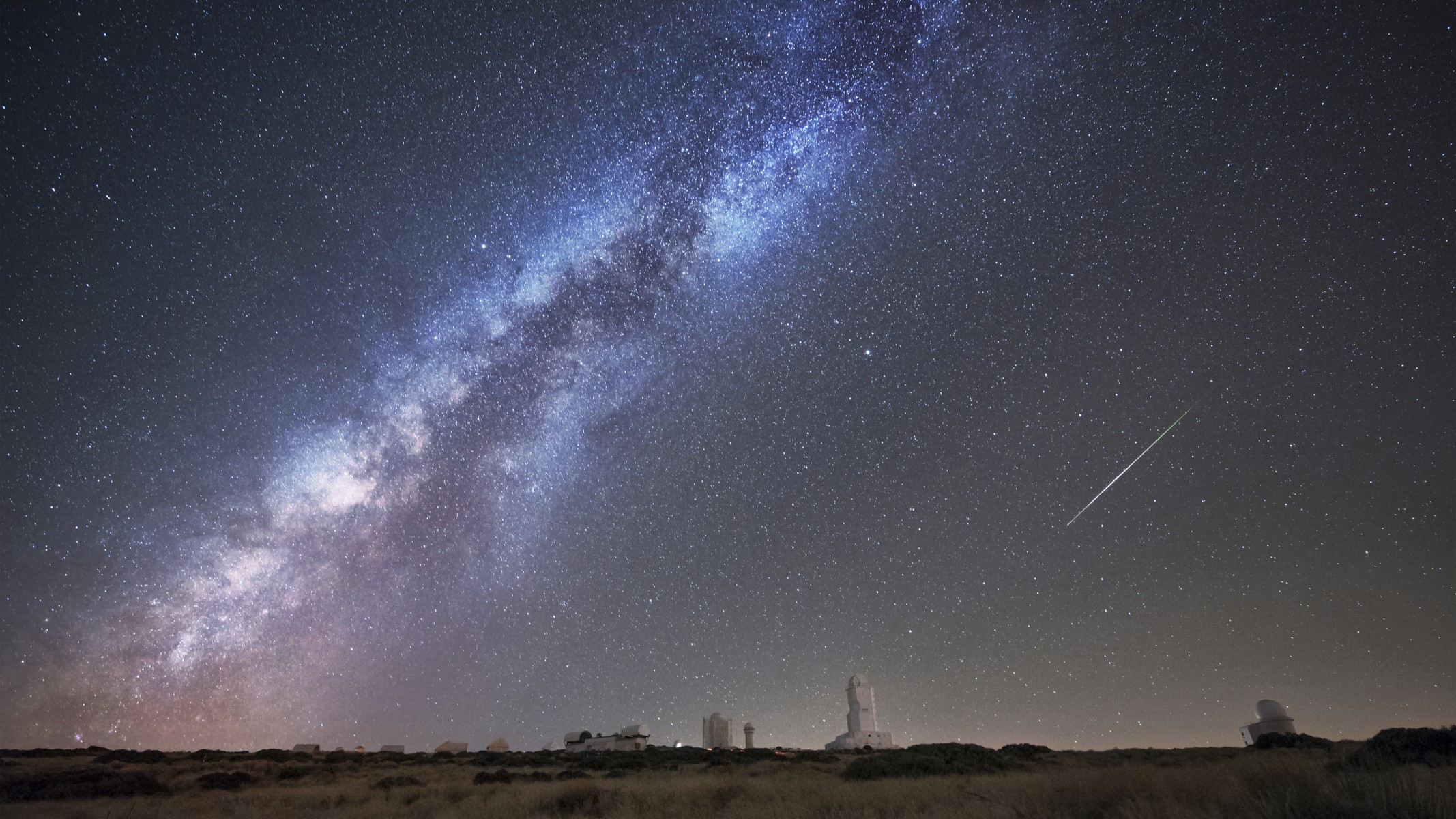
In Spain, totality will begin between 8:26 and 8:33 p.m. CEST, depending on the exact location. Its maximum duration in Spain will last longest in regions farthest northwest, with 1 minute 50 seconds at Playa de la Escaladina in Galicia (8:26 p.m.), where the eclipse will be 11 degrees above the west-northwest. It will be at its shortest, at 1 minute 36 seconds, at Bellavista, Mallorca, one of the Balearic Islands (8:31 p.m.). The eclipse will be just a couple of degrees above the west-northwest. The sun will set at 9:16 p.m. in Madrid, with a dark night from around midnight through 4:40 a.m. CEST. The darkest part of the night — and the point when the radiant point Perseus will be high above the horizon — will be around 02:00 a.m. CEST.
Unless there's a whopping solar storm (unlikely), concentrate on the Perseid meteor shower, rather than hoping for aurora. Light pollution is irrelevant for a total solar eclipse, but if you've cross-referenced your eclipse-viewing sight with a Light Pollution Map, you'll be in Bortle 4 skies in rural Spain, ready for a potentially unforgettable Perseids (the solar eclipse means by definition that it's taking place at new moon, after all). Under rural Spanish skies, particularly in dark-sky regions away from towns and cities, observers could see 30 to 50 meteors per hour, with occasional bursts producing even more.
It might be wise to have an afternoon nap before the eclipse — it could be a long, exciting night if skies are clear.
U.K: Deep eclipse, Venus and the Perseids
The path of totality misses Britain entirely, but Aug. 12 will still be a remarkable day. Across most of the U.K., more than 90% of the sun will be covered by the moon, with maximum eclipse shortly after 7 p.m. BST. The sun will hang low above the west-northwest horizon as a narrowing crescent, so the best locations will be coastal viewpoints, hilltops and open landscapes with clear western horizons. London, Manchester and Glasgow all experience about 91% coverage, while Cardiff reaches 93%. The deepest eclipse will be seen in the far southwest, with 96% coverage in the Isles of Scilly and almost 96% at Land's End in Cornwall.
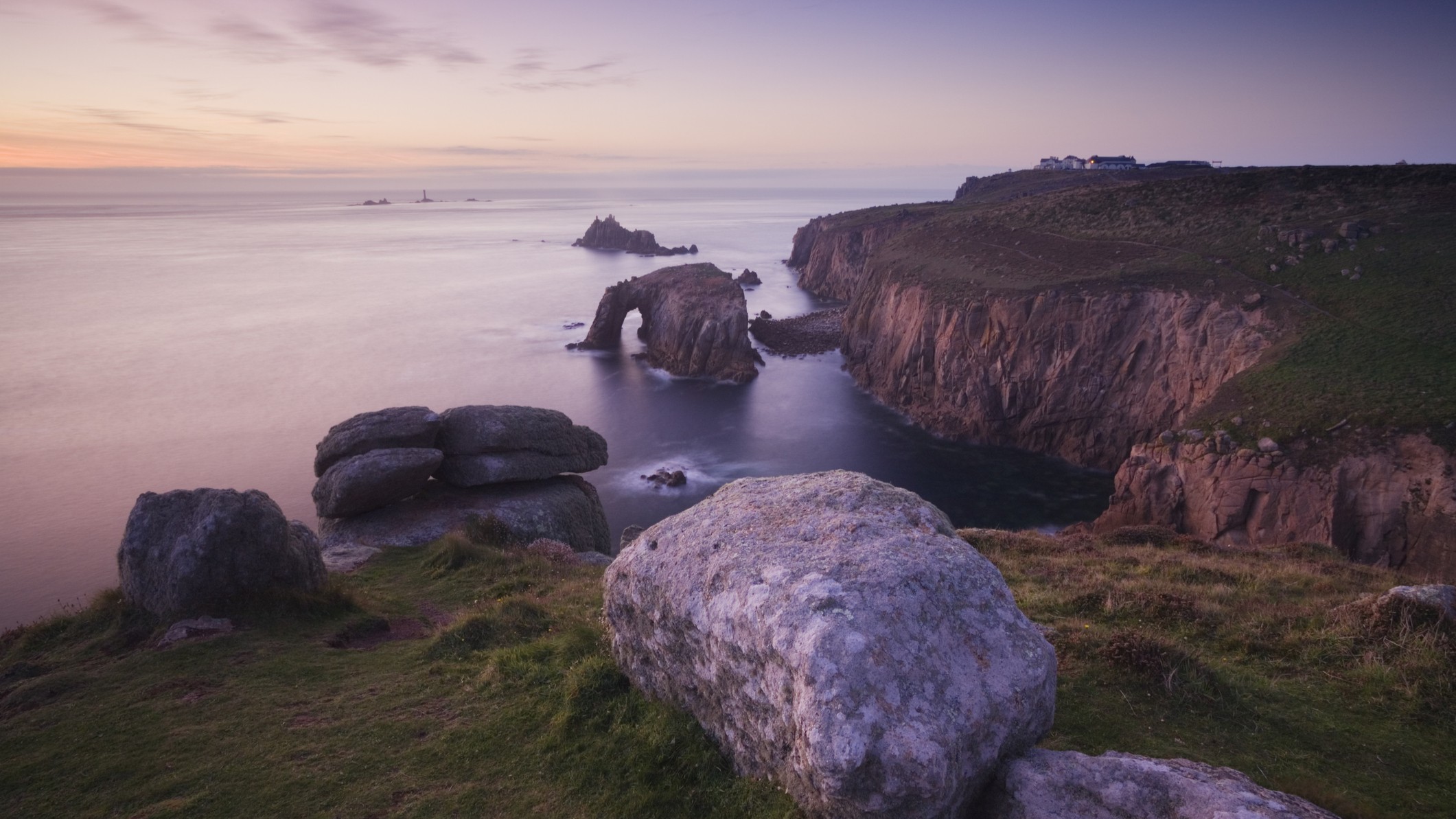
Although it will not become as dark as during totality, observers may notice a subtle drop in temperature and a strange dimming of the landscape. Shadows will soften, colors will become muted, and daylight will take on an unusual quality that many first-time eclipse watchers find surprising.
Once the eclipse ends, Venus becomes the next target. Look west after sunset for the dazzling Evening Star. Venus is only days from its greatest elongation and near its best evening appearance of 2026, making it hard to miss. Even a small telescope will reveal its half-lit phase. The Perseids will then peak during the early hours of Aug. 13.
Western Europe: Eclipsed sunset, Venus and the Perseids
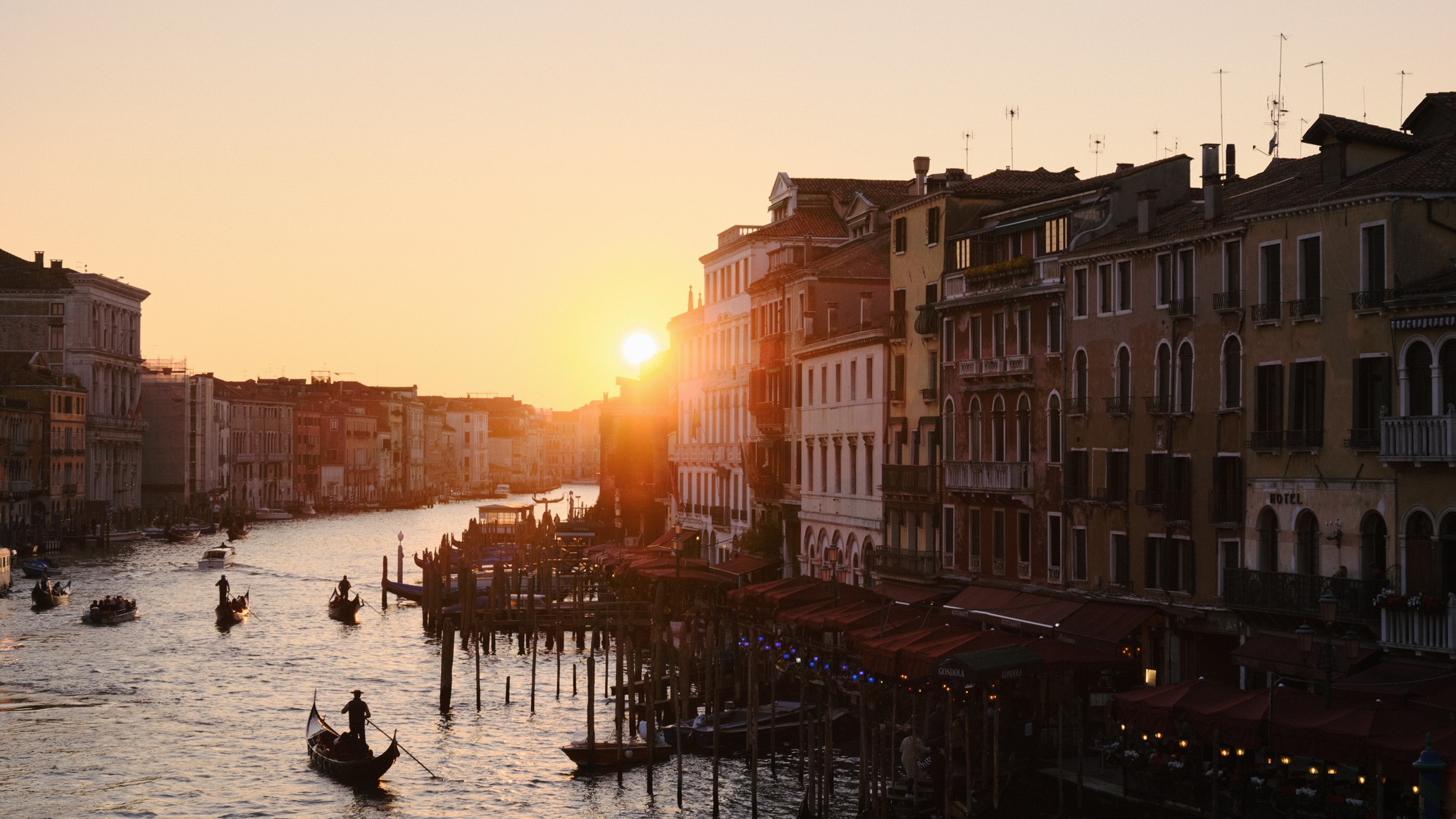
For millions of people across Western Europe, Aug. 12 offers a slightly different spectacle. Instead of totality or a partial eclipse in late afternoon, many locations will witness a deeply eclipsed sun setting below the horizon. An eclipsed sunset is surprisingly rare, and particularly one this deep. In some places, more than 90% of the sun will be obscured as it approaches the horizon, creating a dramatic crescent-shaped sunset. In places such as Corsica, the Ligurian coast, Venice, the Alps and parts of central Europe, photographers will have the chance to capture one of the most dramatic sunset eclipses visible anywhere this decade.
With Venus visible across Europe after sunset, as well as the Milky Way and the Perseids peak, Aug. 12 will effectively become an all-night astronomy festival across Europe.
North America: Partial eclipse, Venus and the Perseids
The total solar eclipse — and a deep partial eclipse — may belong to Europe, but North America gets its own small version of the event. A partial solar eclipse will be visible from Alaska to New England, touching 26 U.S. states and every Canadian province. While the eclipse is modest compared with North America's recent total eclipses, millions of people will still be able to participate in the global event.
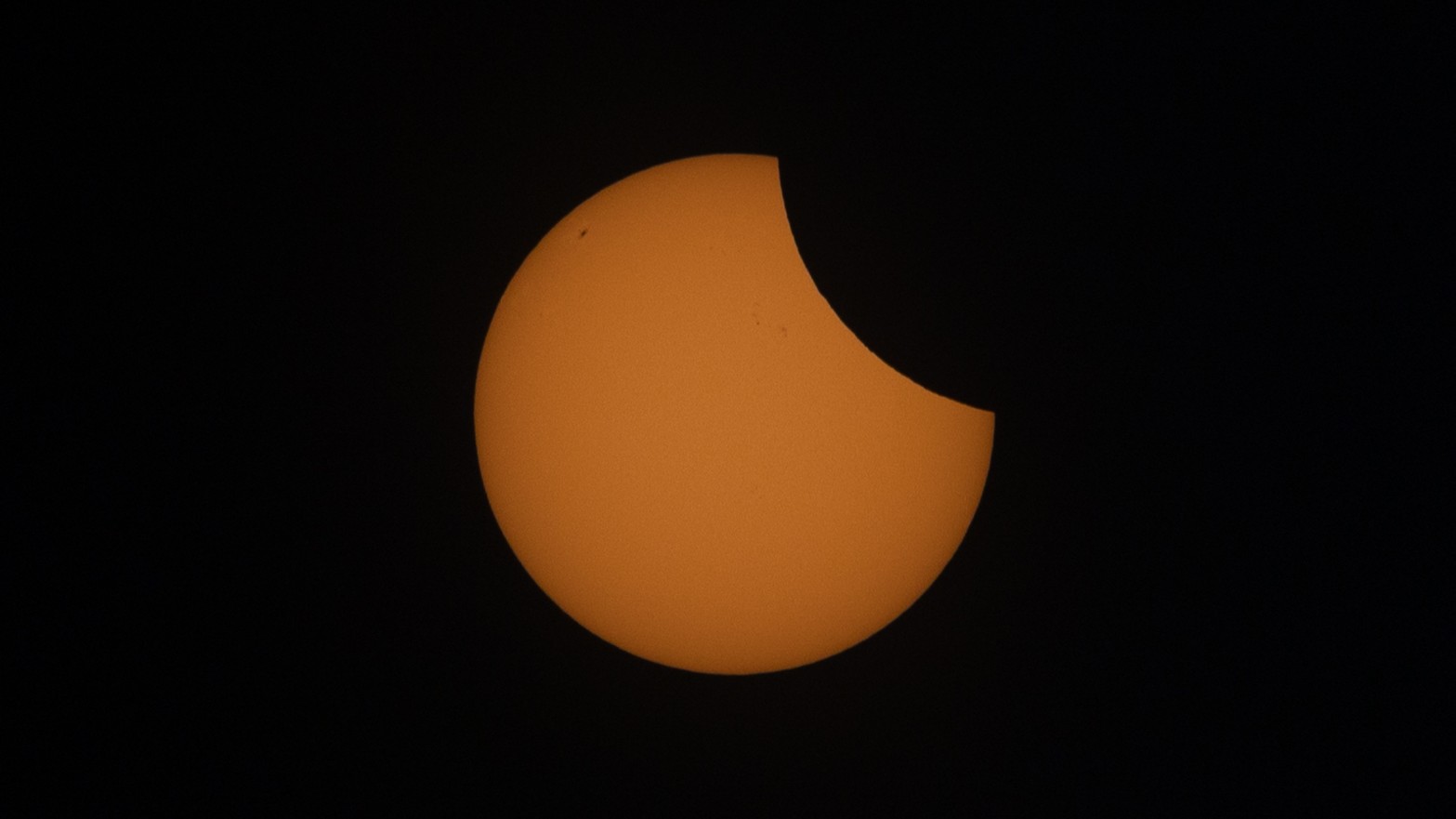
The deepest U.S. eclipse occurs in Alaska, where Fairbanks will see about 37% of the sun covered and Anchorage almost 28% (8:21 a.m. AKDT). In the Northeast, Maine gets the best view, with about 28% obscuration (1:50 p.m. EDT), while Boston sees 16% (1:55 p.m. EDT) and New York City about 10% (1:54 p.m. EDT). In Canada, the eclipse becomes considerably more impressive. Iqaluit, Nunavut, will see 61% of the sun covered (1:24 p.m. EDT), while St. John's, Newfoundland, will experience more than half of the sun obscured (3:35 p.m. NDT). Every Canadian province will see at least some part of the eclipse. Remember that eclipse glasses are still essential, even for small partial eclipses.
If you're looking for a telescope or binoculars to make the most of these incredible skywatching events, our guides for the best binocular deals and the best telescope deals are here to help. Interested in capturing the night sky? Check out our best cameras for astrophotography and best lenses for astrophotography.


















/https%3A%2F%2Fsportsmole-media-prod.s3.gra.io.cloud.ovh.net%2Fuploads%2F2026%2F07%2Fdaniel-mcgregor-huyer-zuma-press-wire-luciano-gonzalez-anadolu-abacapress-com-estadio-azteca-harry-kane-jude-bellingham-composite-6a49eb8857b70695441164.png)
 Bengali (BD) ·
  English (US) ·