.png)
 13 hours ago
9
13 hours ago
9
Starship isn't the only SpaceX rocket flying today.
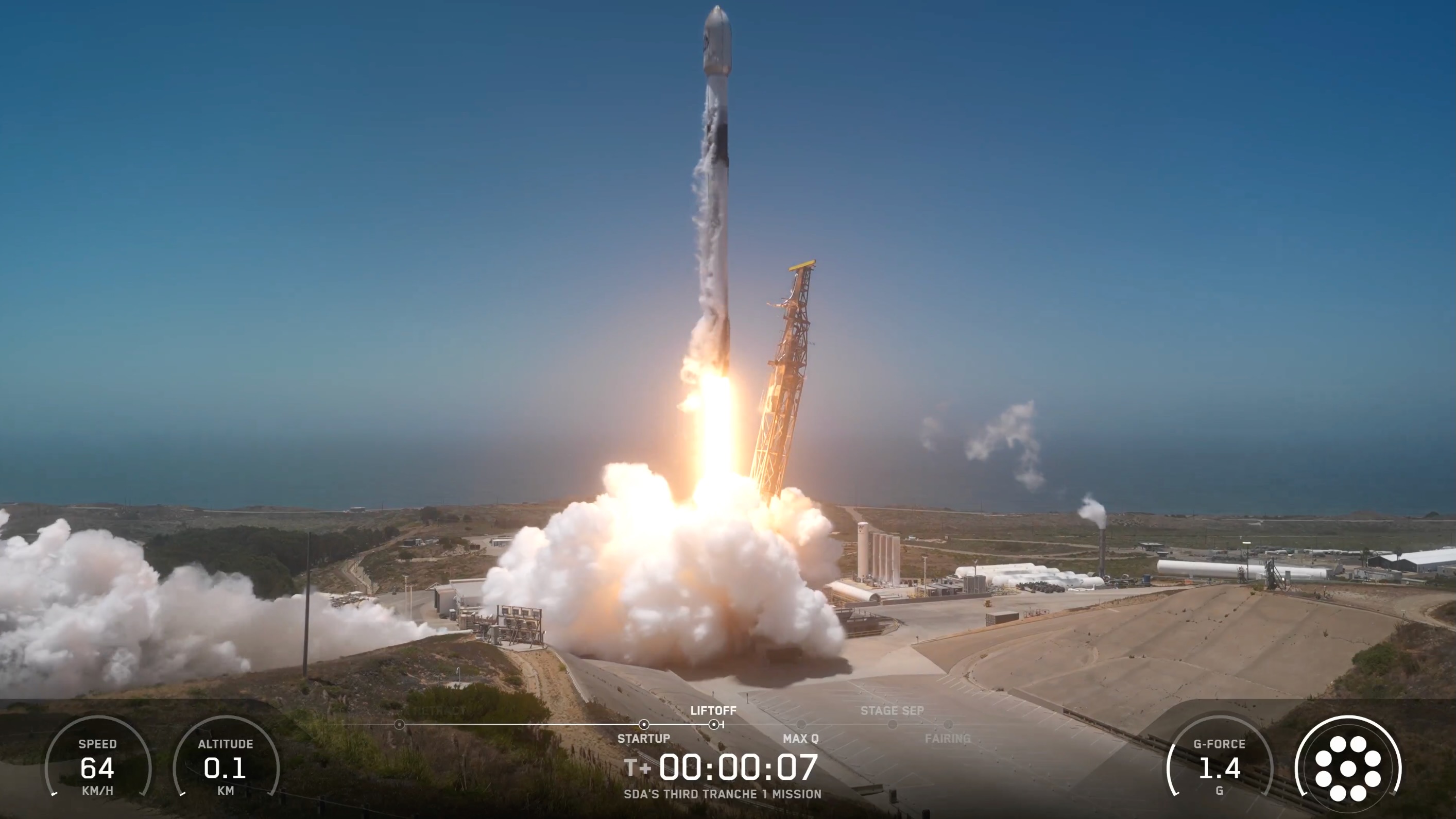
A Falcon 9 rocket launched from California's Vandenberg Space Force Base today (July 16), carrying 21 satellites for the U.S. military's advanced new "Tranche 1 Transport Layer" (T1TL) constellation to orbit.
Liftoff took place at 4:32 p.m. EDT (2032 GMT; 1:32 p.m. local California time).
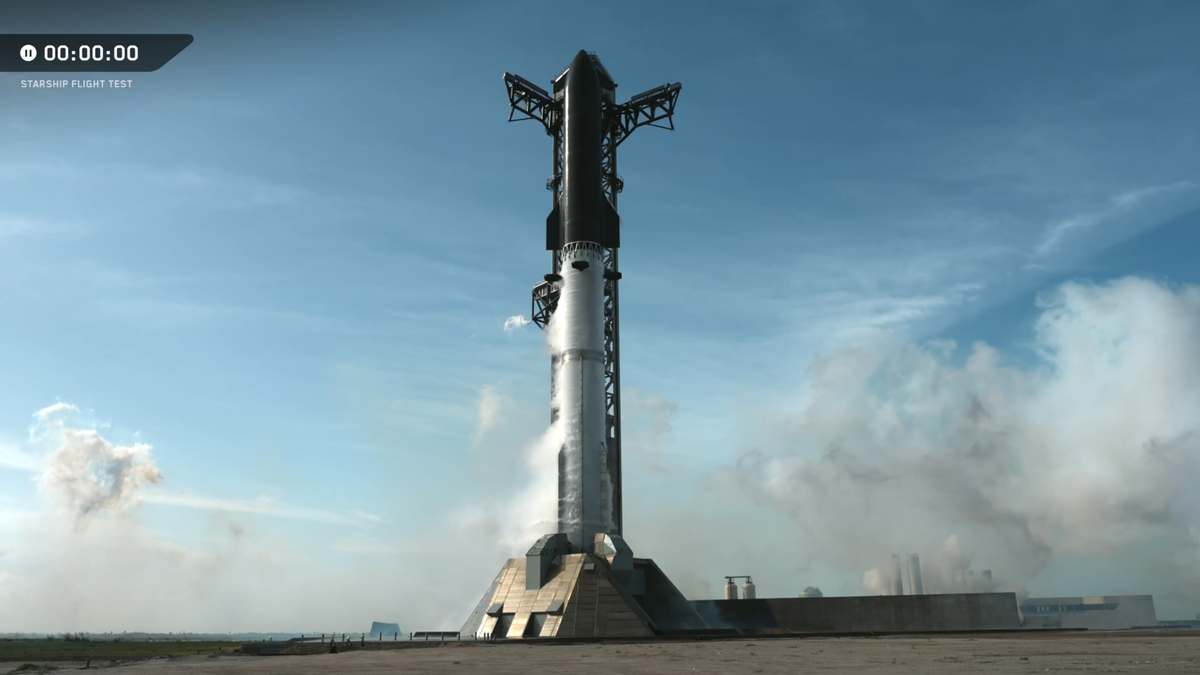
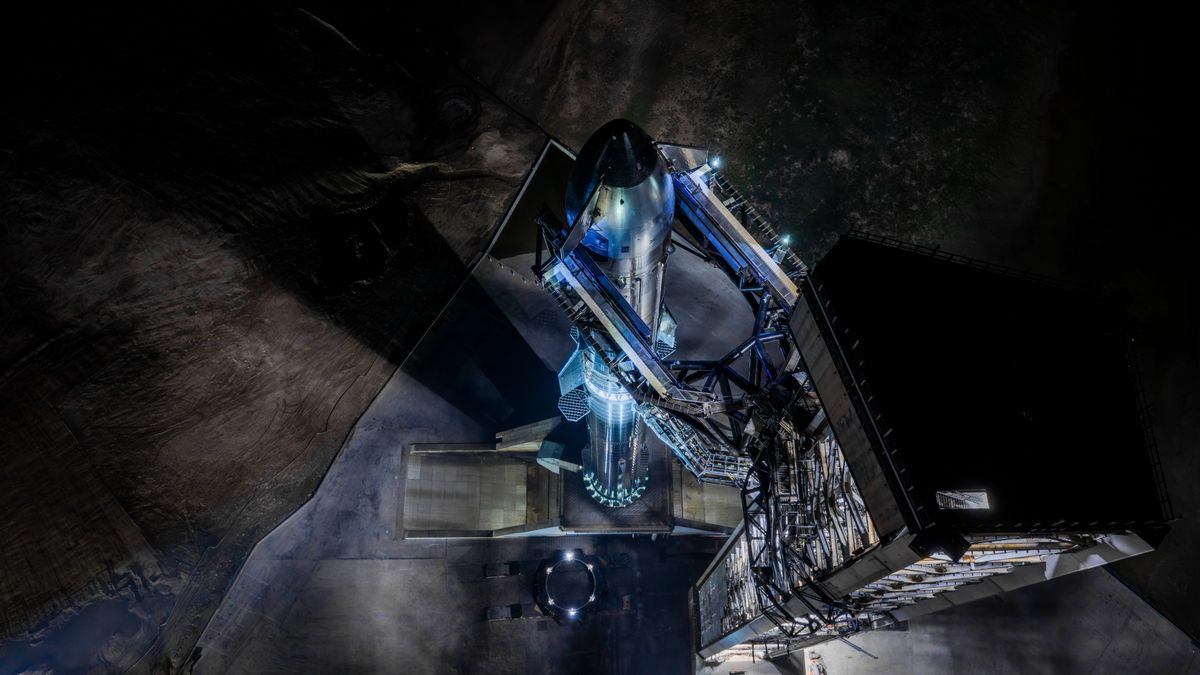
SpaceX's Starship megarocket — the biggest and most powerful launch vehicle ever built — is slated to make its 13th test flight a few hours later. It will lift off from the company's Starbase site in South Texas during a 90-minute window that opens at 6:45 p.m. EDT (2245 GMT; 5:45 p.m. local Texas time).
SpaceX will stream that mission live, and Space.com will carry the feed. Coverage will begin about half an hour before launch.
Today's Falcon 9 flight helps assemble the T1TL, a network in low Earth orbit (LEO) that will be operated by the U.S. Space Force's Space Development Agency (SDA).
The T1TL "will provide global communications access and deliver persistent regional encrypted connectivity in support of warfighter missions around the globe," SDA officials wrote in a explainer.
The T1TL will eventually consist of 126 satellites, which will be built by York Space Systems, Lockheed Martin and Northrop Grumman. Sixty-three of the spacecraft have now launched to date, on three Falcon 9 launches from Vandenberg — one last September, another last October and today.
These 126 spacecraft will be part of a larger LEO network that the SDA calls the Proliferated Warfighter Space Architecture.
The PWSA is "a proliferated constellation of hundreds of optically linked small satellites, in low-Earth orbit (LEO), delivering capability at speed to the warfighter," SDA officials wrote in a Tranche 1 fact sheet.
"SDA leverages spiral development to deploy and proliferate new capability into a new generation of the PWSA every two years, called a 'tranche,' to continually increase capability used by the warfighter," they added.
Previous Booster 1103 launches
NROL-179 | 2 Starlink missions
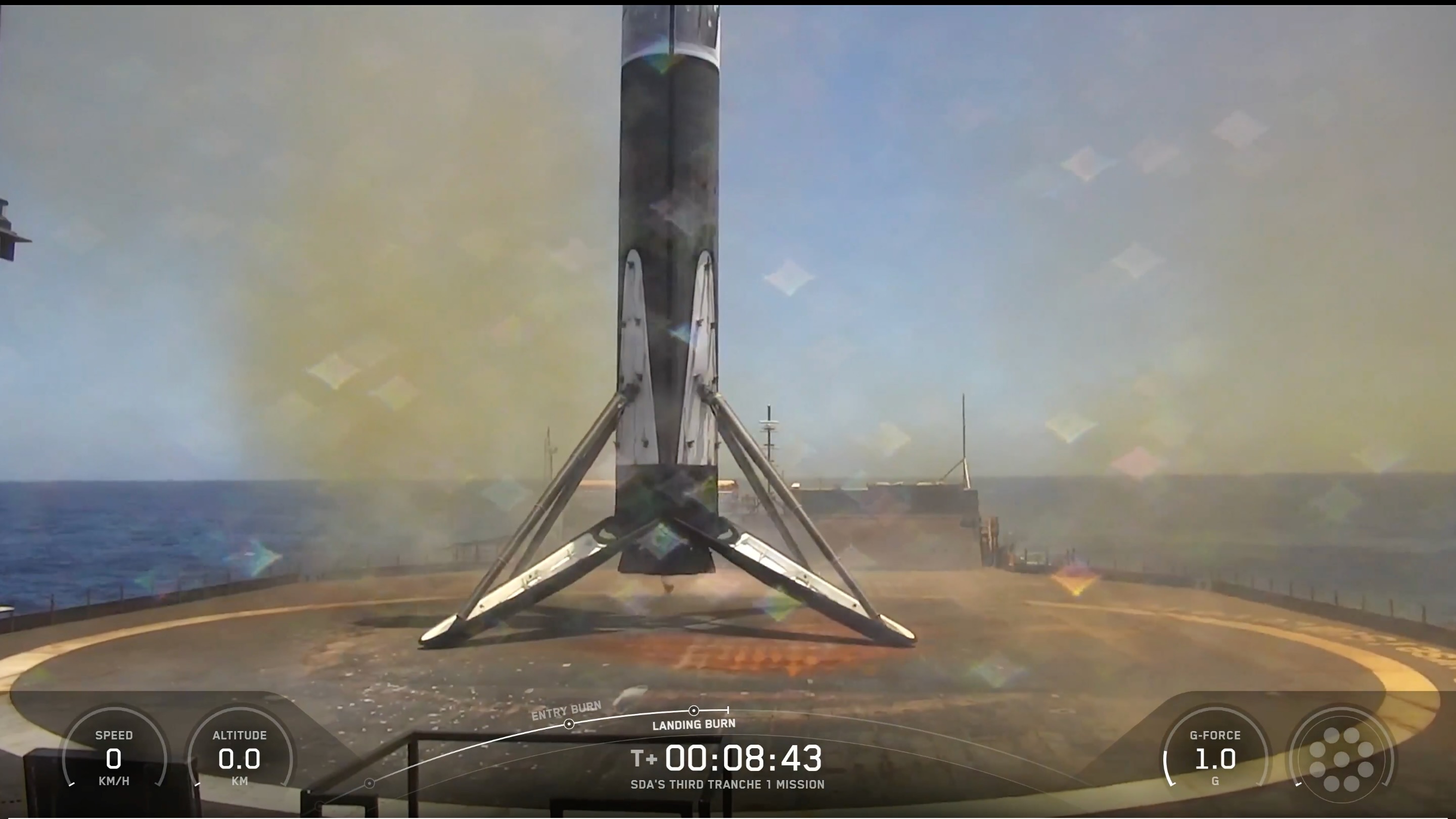
Everything went according to plan today, at least during the mission's early stages. The Falcon 9's first stage came back to Earth about 8.5 minutes after liftoff for a landing in the Pacific Ocean, on the drone ship "Of Course I Still Love You." According to a SpaceX mission description, it was the fourth flight for this particular booster, which is designated 1103.
The Falcon 9's upper stage continued hauling the 21 satellites to LEO. We don't know when or exactly where they'll be deployed; the SpaceX mission description doesn't provide that information, and the company cut off its launch webcast shortly after booster landing at the request of the SDA.
Editor's note: This story was updated at 4:44 p.m. ET on July 16 with news of successful launch and booster landing.



















/https%3A%2F%2Fsportsmole-media-prod.s3.gra.io.cloud.ovh.net%2Fuploads%2F2026%2F07%2Fdaniel-mcgregor-huyer-zuma-press-wire-luciano-gonzalez-anadolu-abacapress-com-estadio-azteca-harry-kane-jude-bellingham-composite-6a49eb8857b70695441164.png)
 Bengali (BD) ·
  English (US) ·