.png)
 1 hour ago
8
1 hour ago
8
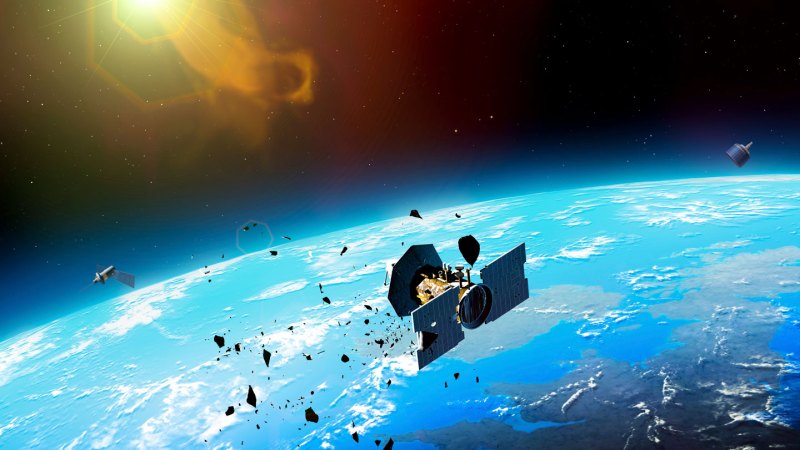
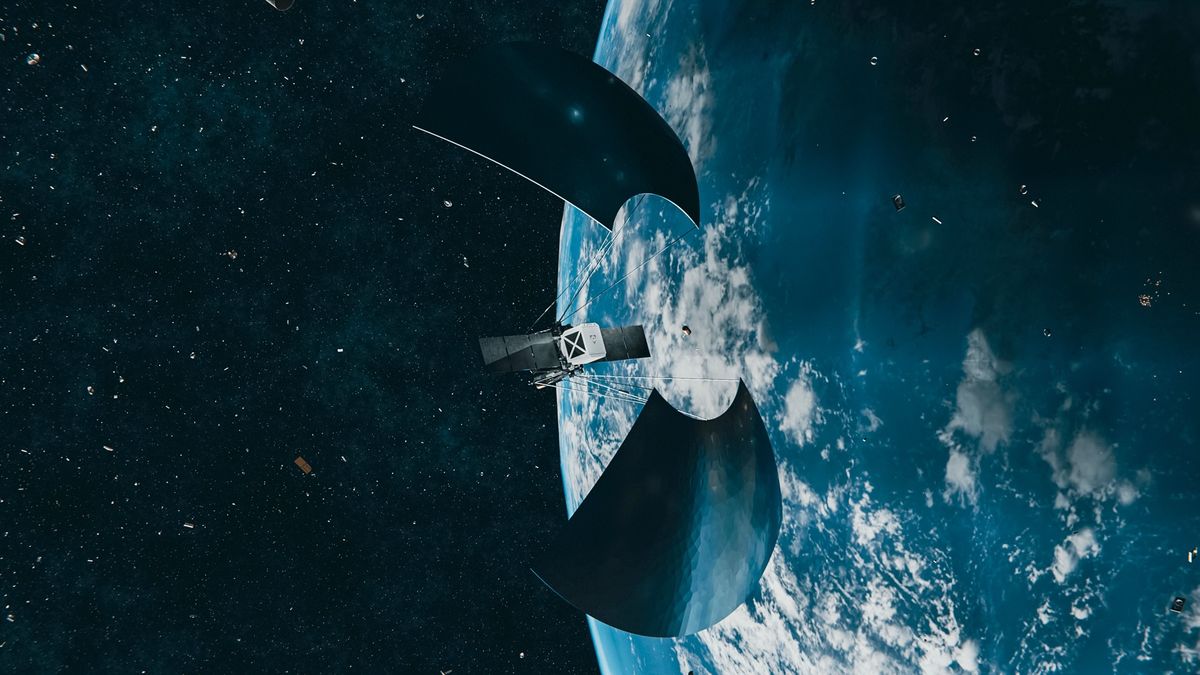
The growing debris field in Earth orbit may someday endanger our access to the stars.
Today, that field consists of nearly 130 million pieces of space junk — dead satellites, old rocket bodies and tiny fragments generated by on-orbit collisions.
"For the first time, we find that, once solar activity passes a certain level, this loss of altitude happens noticeably more quickly," the study's corresponding author, Ayisha Ashruf, a scientist and engineer at Vikram Sarabhai Space Centre in Thiruvananthapuram, India, said in a statement.
"This observation is expected to be key for planning sustainable space operations in the future," Ashruf added.
All objects in Earth orbit lose altitude over time, slowly moving toward our atmosphere. While space stations and satellites compensate for this loss with engine burns to maintain their desired orbits, space junk falls naturally.
In the new study, researchers measured the trajectories of 17 pieces of space junk in low Earth orbit over a 36-year span, starting two generations ago.
"All of this information comes from objects launched back in the 1960s," Ashruf said. "They are still contributing to science, serving as valuable tools for studying long-term effects of solar activity on the thermosphere."
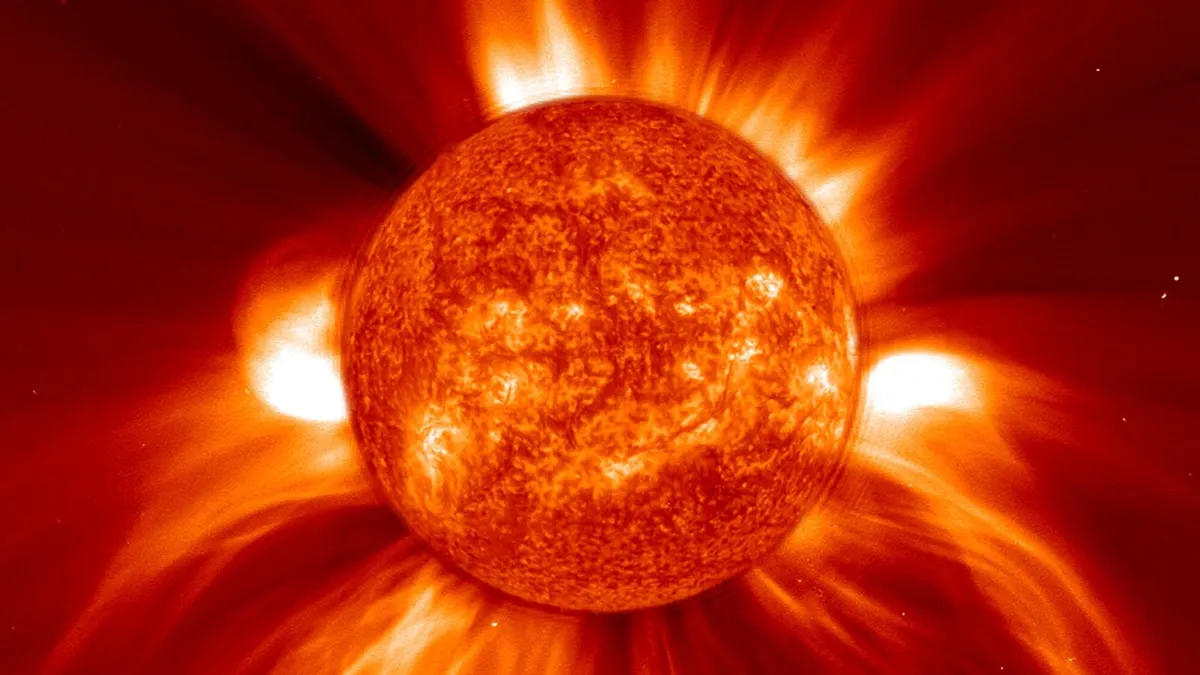
Thirty-six years covers three different cycles of solar activity, which waxes and wanes with a periodicity of 11 years. To figure out the sun's behavior during this timespan, the scientists used data from the German Research Centre for Geosciences in Potsdam, which tracks sunspots and daily changes in solar emissions.
After linking the space-junk trajectories to the long-term solar data, the researchers found that increased solar activity boosted atmospheric density around the space junk. This created more drag, which slowed the debris pieces' orbit and sped up their descent.
"Our results imply that when solar activity passes certain levels, satellites — just like space junk — lose altitude faster so that more orbit corrections are required," Ashruf said. "This directly affects how long satellites stay in orbit and how much fuel they need, especially for missions launched near a solar maximum."
The new study was published today (May 6) in the journal Frontiers in Astronomy and Space Sciences.






















/https%3A%2F%2Fsportsmole-media-prod.s3.gra.io.cloud.ovh.net%2Fuploads%2F2026%2F02%2Fimago1072832028-1-1-6996d086195c8904803070.jpg)
 Bengali (BD) ·
  English (US) ·