.png)
 3 hours ago
7
3 hours ago
7
In an algorithm-driven world, misinformation doesn’t just exist; it thrives.
Published Apr 19, 2026 • Last updated 24 minutes ago • 4 minute read

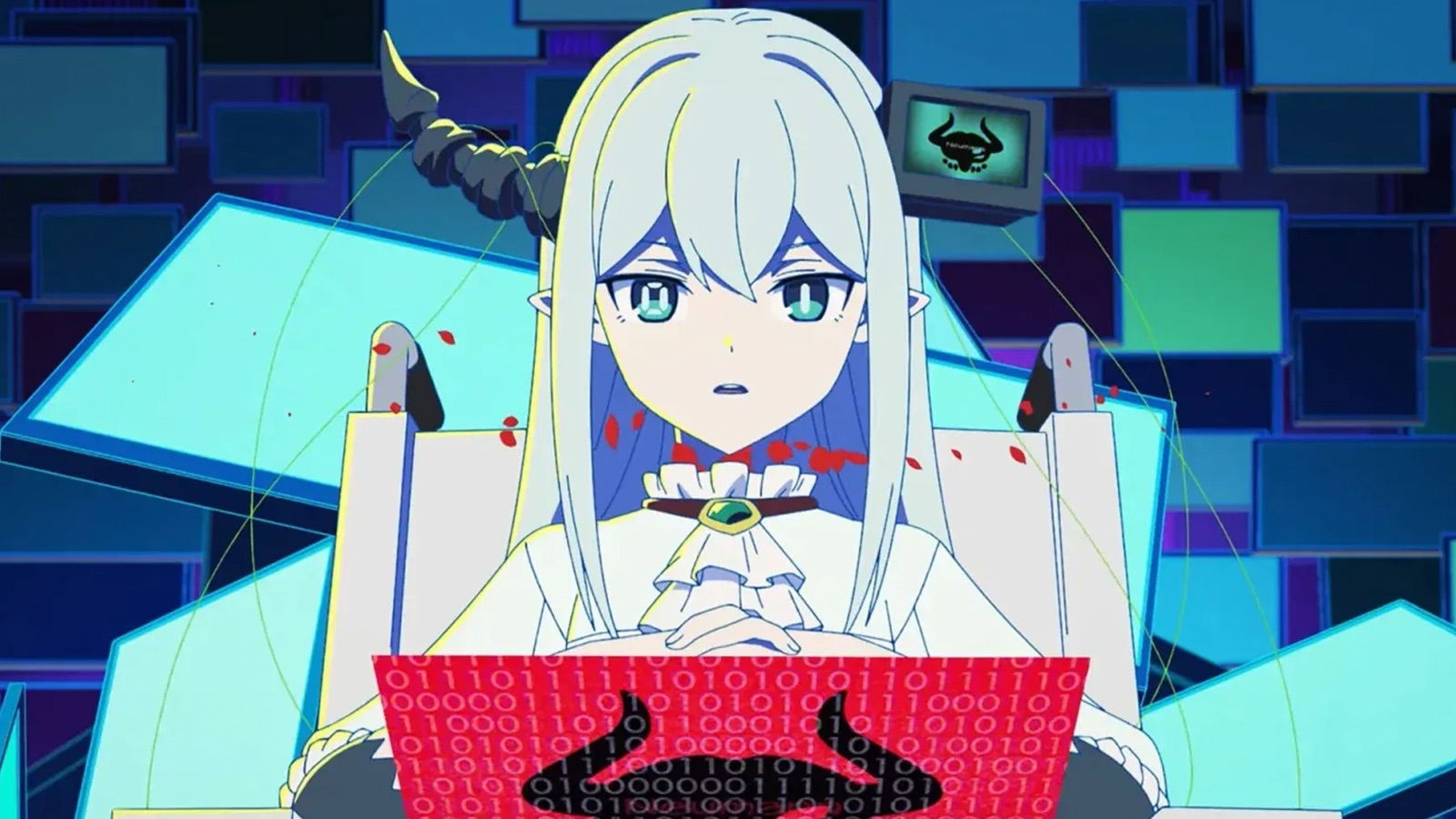
I was scrolling on TikTok late at night when I fell into a disturbing rabbit hole. In one video, an animated young woman spoke to the camera, instructing other women to get off birth control immediately because it is “toxic” and “causing infertility.” Even as a sex columnist who knows better, I was almost convinced.
Advertisement 2

THIS CONTENT IS RESERVED FOR SUBSCRIBERS ONLY
Subscribe now to read the latest news in your city and across Canada.
- Unlimited online access to articles from across Canada with one account.
- Get exclusive access to the Toronto Sun ePaper, an electronic replica of the print edition that you can share, download and comment on.
- Enjoy insights and behind-the-scenes analysis from our award-winning journalists.
- Support local journalists and the next generation of journalists.
- Daily puzzles including the New York Times Crossword.
SUBSCRIBE TO UNLOCK MORE ARTICLES
Subscribe now to read the latest news in your city and across Canada.
- Unlimited online access to articles from across Canada with one account.
- Get exclusive access to the Toronto Sun ePaper, an electronic replica of the print edition that you can share, download and comment on.
- Enjoy insights and behind-the-scenes analysis from our award-winning journalists.
- Support local journalists and the next generation of journalists.
- Daily puzzles including the New York Times Crossword.
REGISTER / SIGN IN TO UNLOCK MORE ARTICLES
Create an account or sign in to continue with your reading experience.
- Access articles from across Canada with one account.
- Share your thoughts and join the conversation in the comments.
- Enjoy additional articles per month.
- Get email updates from your favourite authors.
THIS ARTICLE IS FREE TO READ REGISTER TO UNLOCK.
Create an account or sign in to continue with your reading experience.
- Access articles from across Canada with one account
- Share your thoughts and join the conversation in the comments
- Enjoy additional articles per month
- Get email updates from your favourite authors
Article content
Once I watched the video, the algorithm fed me more authoritative clips preaching false sexual health claims that ranged from untrue to downright dangerous (“you don’t need to use condoms if you’re on birth control.”)
Article content
Article content
Is this what my teenage niece is seeing on her For You page?
It’s very possible. According to Power to Decide’s 2025 YouR HeAlth Survey, 20% of young people report getting birth control information from social media, with TikTok leading the way at 43.4%, followed by Instagram and YouTube. While you’d think that having access to information at your fingertips would mean that people would be more informed than ever, misleading content about sexual health is rampant online and is shaping real-life decisions, often without medical accuracy or context.
In an algorithm-driven world, misinformation doesn’t just exist; it thrives.
“Unfortunately, the algorithm loves drama, and these “horror stories” about birth control serve up just that. People assume that high engagement and a strong following mean more credibility – but that’s not always the case,” says Lisa Finn, Sex Educator at Babeland. When this happens, it’s easy to mistake an individual’s experience as a universal truth.
By signing up you consent to receive the above newsletter from Postmedia Network Inc.
Article content
Advertisement 3
Article content
Distruct has consequences
Medical professionals, like Joely Pritzker, MS, FNP-C, Senior Director of Health Care at Power to Decide, see the fallout firsthand. “I’m seeing a lot more distrust in medical care, and that distrust has real consequences. People are stopping effective methods without a plan, avoiding appointments, or making decisions based on fear rather than accurate information. Clinical conversations are harder too,” she says.
When a patient has spent months absorbing misinformation online, Pritzker says they’re no longer starting from a neutral place. “Rebuilding that trust takes time, and in the meantime, people may be less protected than they want to be,” she says.
However, it’s not necessarily the young people’s fault. Rather, Finn says the reliance on social media is a sign that traditional sex education is falling short. “Many students don’t have the access, ability, language, privacy, or comfort level to speak to medical professionals about their questions to be able to have personalized information brought to them, so they seek information from where they can access it – mainly social media – and take opinion as fact because they have nothing else to go off of,” says Finn.
Advertisement 4
Article content
Recognizing how quickly these myths can spread, online retailer Babeland and birth control support network Bedsider have joined forces to launch a new awareness campaign. According to a press release, it’s “aimed at tackling the surge of misinformation around birth control, fertility, and sexual wellness by replacing viral myths with clear, expert-backed, shame-free education.”
Read More
-

SEX FILES: Beware of limerence, the dangerous high of longing for someone
-

SEX FILES: Are soulmates a hoax?
-

SEX FILES: Meet the new dating app for people told they’re ‘undateable’


Refresher needed on safer sex practices
While the Babeland and Bedsider campaign targets young people, I’ve noticed that many adults could also use a refresher on contraception and safer sex practices (see: the 40-something man I briefly dated who thought birth control was “unnatural” and condoms were “impersonal.”)
I spoke to Pritzker over email, who reconfirmed that you should absolutely be using condoms, even if you’re on other forms of birth control. “Condoms are the only method that helps reduce STI risk, and using both together gives you strong overall protection on both fronts.”
Advertisement 5
Article content
She also quickly debunked the myth that hormonal birth control causes infertility. “Since methods like the pill suppress ovulation, some people assume that effect must be permanent. Once someone stops using a method, their fertility typically returns quickly—sometimes immediately, sometimes after a short adjustment period,” she says.
Lastly, while no birth control method is one-size-fits-all, “hormonal” doesn’t mean harmful. Pritzker says, “This concern often comes from a broader cultural narrative that equates “natural” with safe and “synthetic” with suspect. But hormonal birth control uses versions of hormones your body already makes, and it’s been extensively studied and shown to be safe for most people.”
That said, when patients bring up concerns about hormones, Pritzker takes them seriously. “Those concerns often reflect real experiences, not just misinformation,” she says.
However, she encourages people to keep in mind that “natural” doesn’t automatically mean safer or more effective, and every method, including non-hormonal ones, has trade-offs. If you – or a young person in your life – have concerns about birth control – or anything health-related – it’s always best to check with a doctor or a site like Bedsider that offers accurate, science-backed information.
As Pritzker reminds us, “The goal isn’t to convince people to use hormonal methods. It’s to make sure everyone has accurate information about all their options so they can choose the birth control that works best for their body and their future.”
Article content



























 Bengali (BD) ·
  English (US) ·