.png)
 2 hours ago
8
2 hours ago
8
Article content
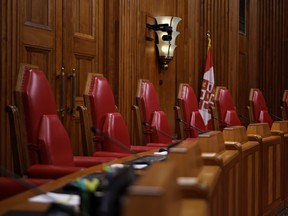
OTTAWA — No matter what the decision is, the Supreme Court’s upcoming ruling on Quebec’s controversial secularism law will probably inspire violent extremist rhetoric, warns a federal intelligence assessment.

THIS CONTENT IS RESERVED FOR SUBSCRIBERS
Enjoy the latest local, national and international news.
- Exclusive articles by Conrad Black, Barbara Kay and others. Plus, special edition NP Platformed and First Reading newsletters and virtual events.
- Unlimited online access to National Post.
- National Post ePaper, an electronic replica of the print edition to view on any device, share and comment on.
- Daily puzzles including the New York Times Crossword.
- Support local journalism.
SUBSCRIBE FOR MORE ARTICLES
Enjoy the latest local, national and international news.
- Exclusive articles by Conrad Black, Barbara Kay and others. Plus, special edition NP Platformed and First Reading newsletters and virtual events.
- Unlimited online access to National Post.
- National Post ePaper, an electronic replica of the print edition to view on any device, share and comment on.
- Daily puzzles including the New York Times Crossword.
- Support local journalism.
REGISTER / SIGN IN TO UNLOCK MORE ARTICLES
Create an account or sign in to continue with your reading experience.
- Access articles from across Canada with one account.
- Share your thoughts and join the conversation in the comments.
- Enjoy additional articles per month.
- Get email updates from your favourite authors.
THIS ARTICLE IS FREE TO READ REGISTER TO UNLOCK.
Create an account or sign in to continue with your reading experience.
- Access articles from across Canada with one account
- Share your thoughts and join the conversation in the comments
- Enjoy additional articles per month
- Get email updates from your favourite authors
Sign In or Create an Account
or
Article content
In a March intelligence brief, Canada’s Integrated Threat Assessment Centre (ITAC) said it was “very unlikely” that violent extremists would target the court’s four days of hearings later that month on the challenge of the law known as Bill 21.
Article content
Article content
Article content
But, ITAC noted, “it is a realistic possibility that the Court’s decision — whether the law is found to be constitutional or not — will inspire violent extremist rhetoric.”
Article content
Article content
Quebec’s controversial secularism law Bill 21 prohibits certain Quebec public sector workers, such as judges, police officers, teachers and prison guards, from wearing religious symbols at work. It also requires them to perform their duties with their faces uncovered.
Article content
Though popular in the province, the 2019 law is fiercely opposed by religious groups, civil liberties advocates and many groups representing women’s or anglophones’ rights.
Article content
To pass the bill seven years ago, then-Quebec Premier François Legault invoked section 33 of the Charter of Rights and Freedoms, better known as the notwithstanding clause.
Article content
The pre-emptive invocation of the clause — which allows a government to suspend the application of certain Charter rights for up to five years before needing to renew it — to block a court challenge of the law is at the heart of the case at the Supreme Court.
Article content
Over four hearing days in March, dozens of challengers and interveners opposed the law and asked the top court to rule it to be unconstitutional or impose limits on the invocation of the notwithstanding clause.
Article content
Article content
On the other hand, seven provinces including Quebec and Ontario argued that the court had no power to limit the invocation of the clause and to do so would amount to a constitutional amendment.
Article content
Article content
The top court’s decision is expected in the coming months.
Article content
In its unclassified March brief, ITAC assessed that there was a higher chance of a violent extremist attack linked to the enforcement of Bill 21 than there was against the apex court.
Article content
“State actions seen to be sacrilegious or blasphemous could be a mobilizing factor for a violent extremist with intent, or a radicalizing factor for an individual with existing grievances,” reads the brief, though noting that there was no information at the time indicating such action was brewing.
Article content
ITAC is a part of the Canadian Security Intelligence Service that focuses on assessing the risks of violent extremism in the country. It also sets Canada’s national terrorism threat level, which is currently at “medium” or “realistic possibility.”
Article content
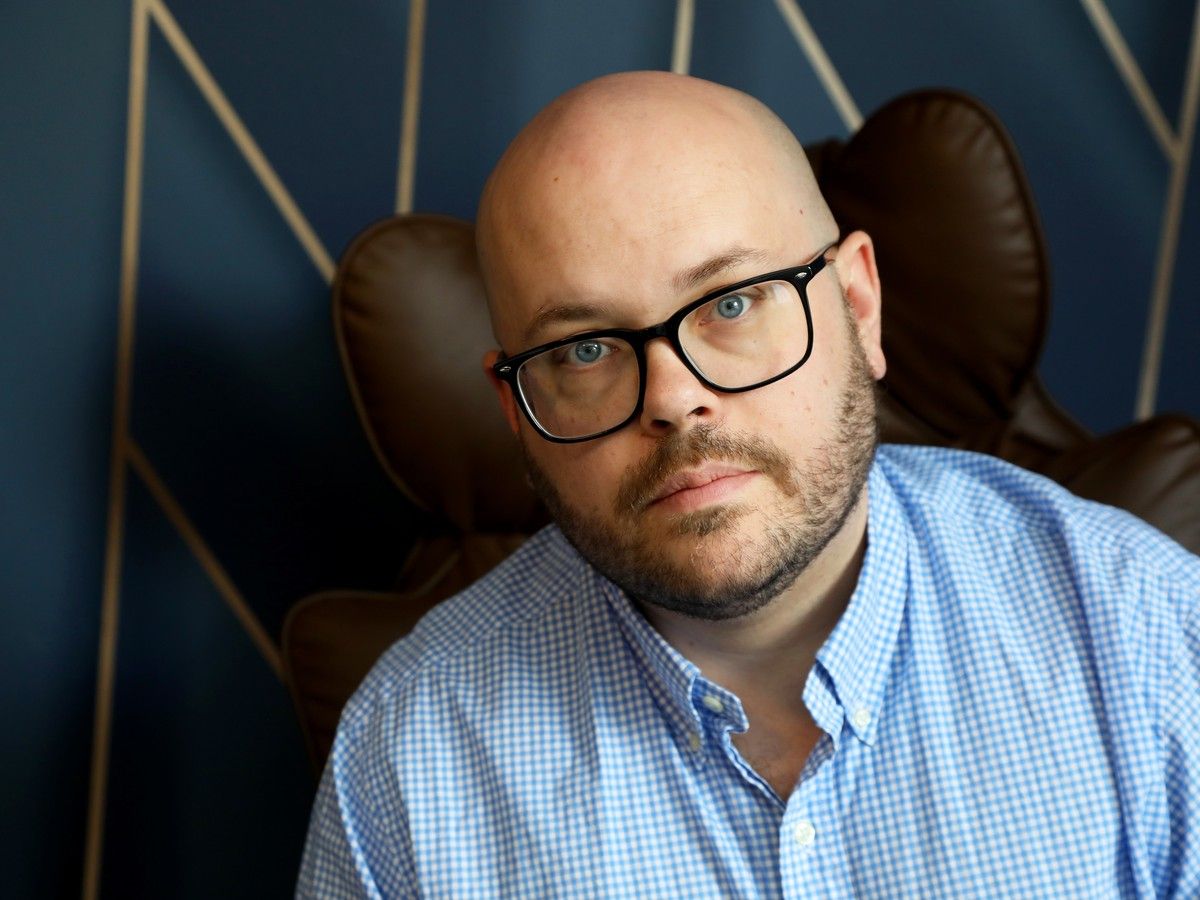
In an interview, foreign interference and national security specialist Jean-Christophe Boucher said no matter the decision, he expects the outcome of the decision to be “instrumentalized” by groups on either side of the issue.


























/https%3A%2F%2Fsportsmole-media-prod.s3.gra.io.cloud.ovh.net%2Fuploads%2F2026%2F05%2Fns-collage-background-v2-email-3-6a086d6eaa1a0057506880.jpg)
 Bengali (BD) ·
  English (US) ·