.png)
 1 hour ago
10
1 hour ago
10
A photo exhibition offering a rare look into industrial fishing in Southeast Asia — and its impact on fragile marine ecosystems — was on display at a New York gallery last month.
Subscribe to read this story ad-free
Get unlimited access to ad-free articles and exclusive content.

The nine-month investigation by freelance photojournalist Nicole Tung, titled “Overfishing in Southeast Asia,” spans Thailand, the Philippines and Indonesia. The work was recently displayed at the Bronx Documentary Center, a nonprofit gallery and educational space.
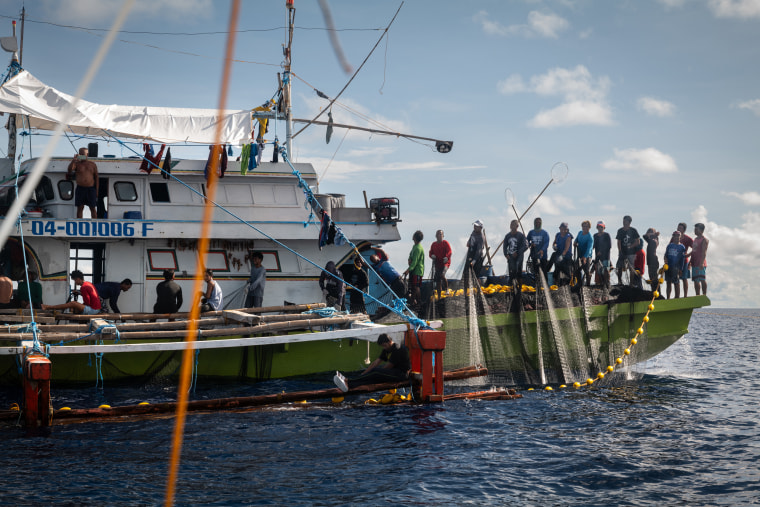 Commercial fishermen out at sea last May, about 50 nautical miles off the coast of Rizal, Palawan, the Philippines. Nicole Tung
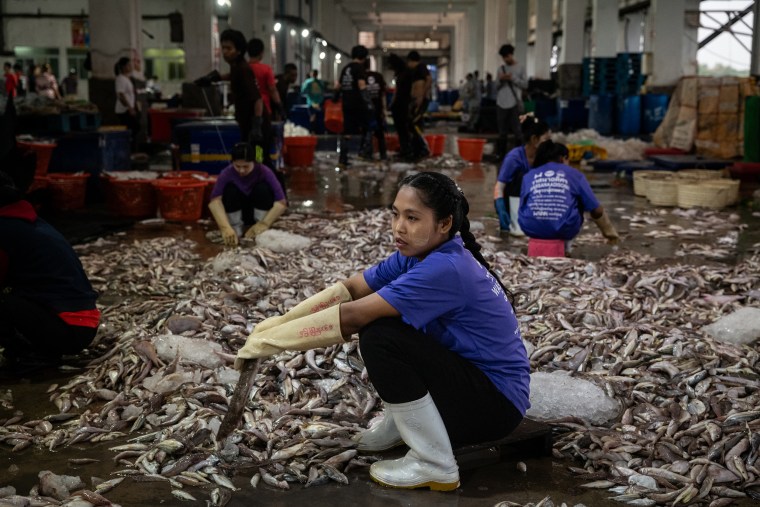 A Burmese dock worker sorting different fish species after a catch from a Thai vessel was unloaded in Ranong, Thailand, in January 2025. Nicole Tung
More than a dozen images capture Filipino fishermen at sea, threatened species including sharks and wedgefish, and hundreds of commercial fishing vessels docked in Indonesia’s capital, Jakarta.
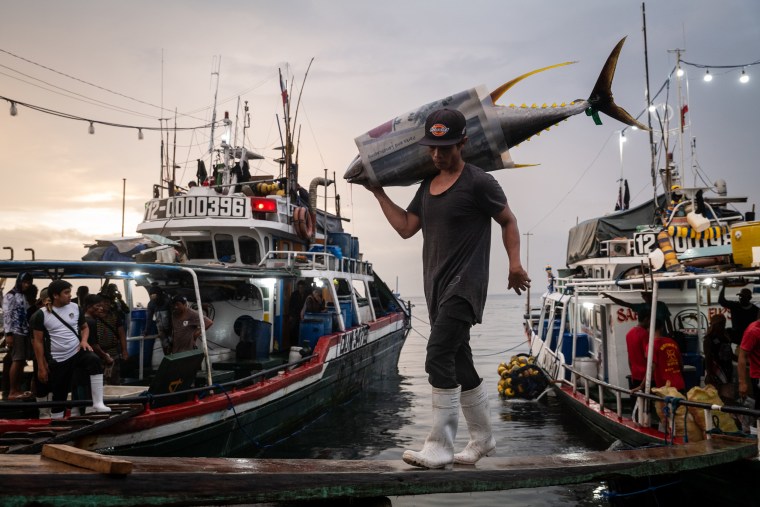 Filipino fishermen returning from about a month at sea unloaded catches of yellowfin tuna, bigeye tuna and blue marlin last May at the General Santos fish port, which is known as the Philippines’ tuna capital. Nicole Tung
While the United States enforces strict laws governing seafood imports tied to forced labor, Tung said more oversight is needed.
“Buyers don’t always know where it’s coming from,” she said in an interview on “NBC News Daily.”
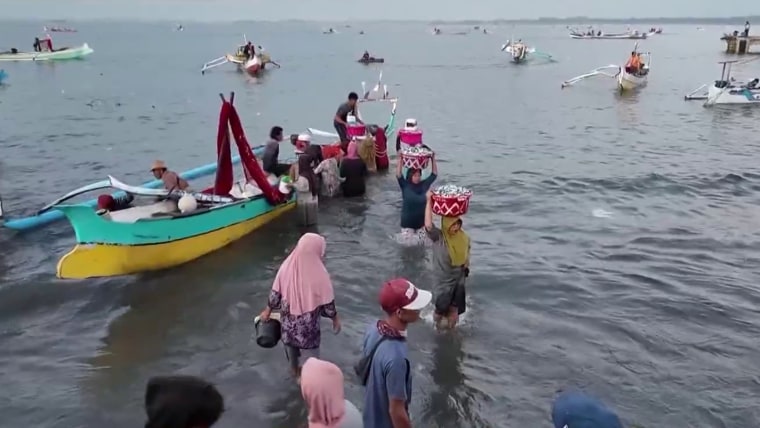
She added that women in the industry face growing uncertainty, often working on docks while their husbands are employed on commercial fishing vessels.
If their husbands go missing, “there’s usually no legal recourse for them,” Tung said. “That affects their families and their livelihoods.”
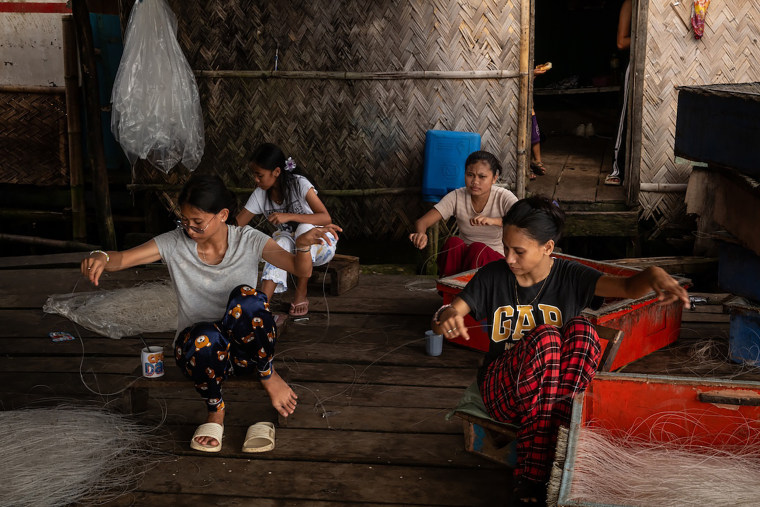 Family members of Filipino fishermen placing bait on fishing lines in Quezon, Palawan, the Philippines, last May.Nicole Tung
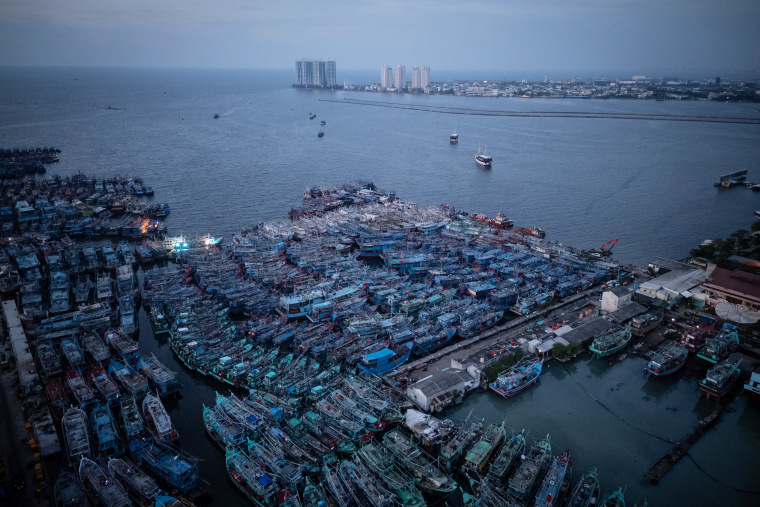 A drone image from last June showing the largest commercial fish port in Indonesia, Muara Angke, where hundreds of commercial fishing vessels are docked. Nicole Tung
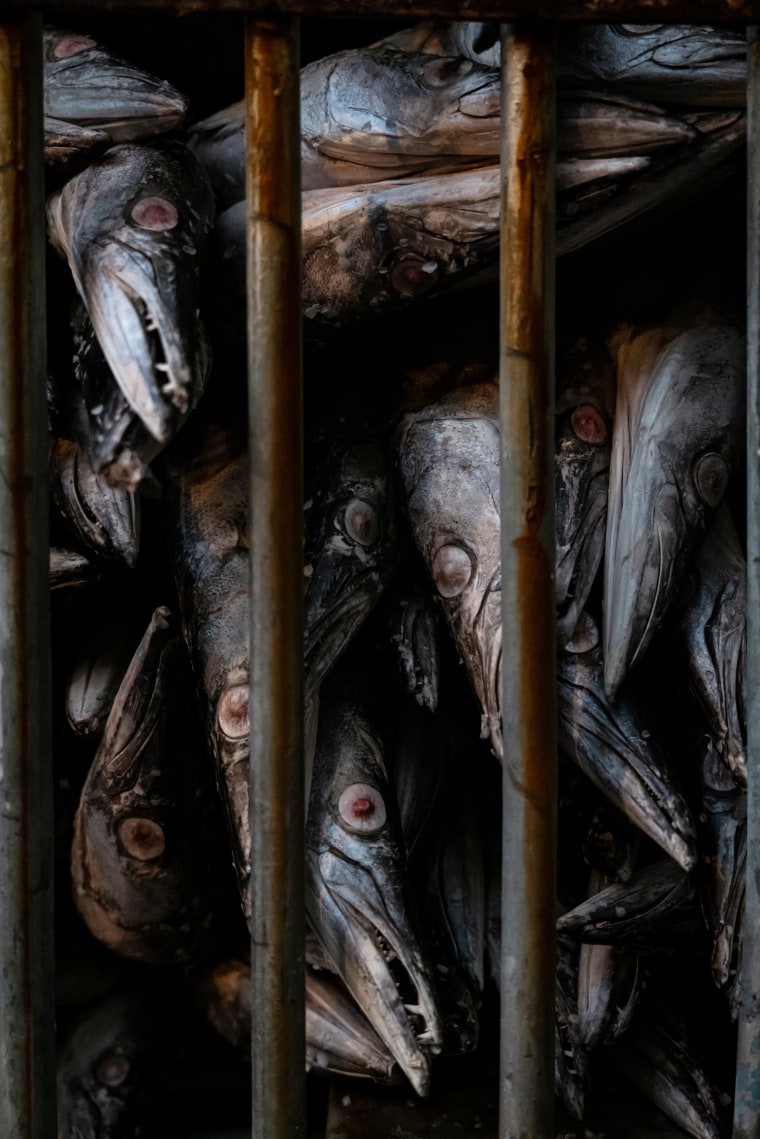 Frozen Spanish mackerel in cold storage at a facility owned by a Thai family of commercial fishers in Samut Sakhon, Thailand, in January 2025. Nicole Tung
According to the Bronx Documentary Center, the photographs trace “the journey from local ports to global markets,” exposing the fragility — and human cost — behind seafood supply chains that reach consumers worldwide.
Experts say overfishing in Southeast Asia requires closer monitoring.
“The first important point is monitoring and understanding stock status,” said Matsuishi Takashi Fritz, a professor in the Faculty of Fisheries Sciences at Hokkaido University in Japan, who added that combating illegal, unreported and unregulated fishing is also critical.
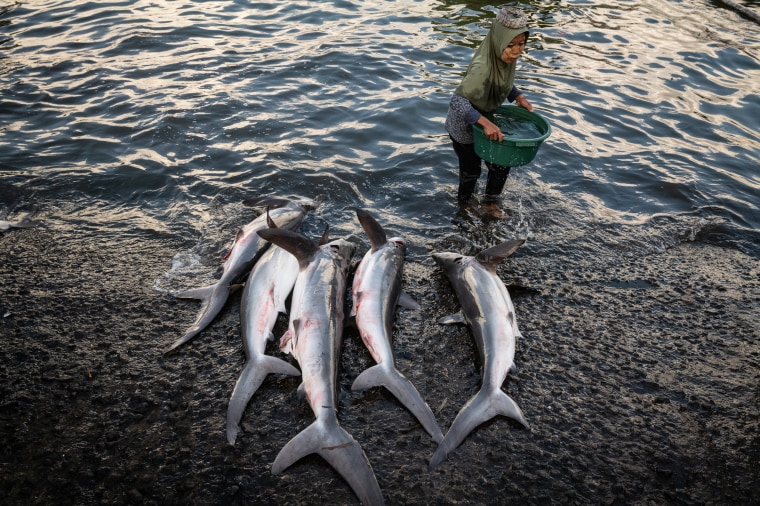 Various species of sharks, some of which are endangered, hauled on shore at dawn by commercial fishermen at the Tanjung Luar port in East Lombok, Indonesia, last June. As the consumption of shark products, especially shark fin, comes under growing criticism, the Indonesian government has sought to restrict commercial hunting of sharks in an effort to balance the needs of fishermen with the protection of dwindling shark populations.Nicole Tung
Illegal, unreported and unregulated fishing — known as IUU fishing — is a global problem that puts law-abiding seafood producers at a significant disadvantage. According to the Food and Agriculture Organization of the United Nations, about 80% of the world’s fisheries are either fully exploited or overexploited.
Tung also offered advice for consumers seeking to avoid unknowingly supporting such practices.
“A lot of what people can do is read labels carefully and look at what kind of certifications the seafood has,” she said. “If possible, to buy locally sourced or from fish markets that source seafood locally.”
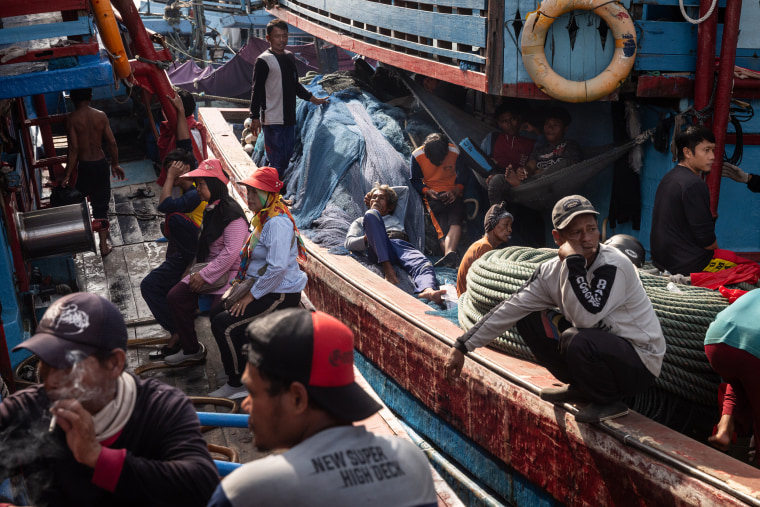 Nicole Tung
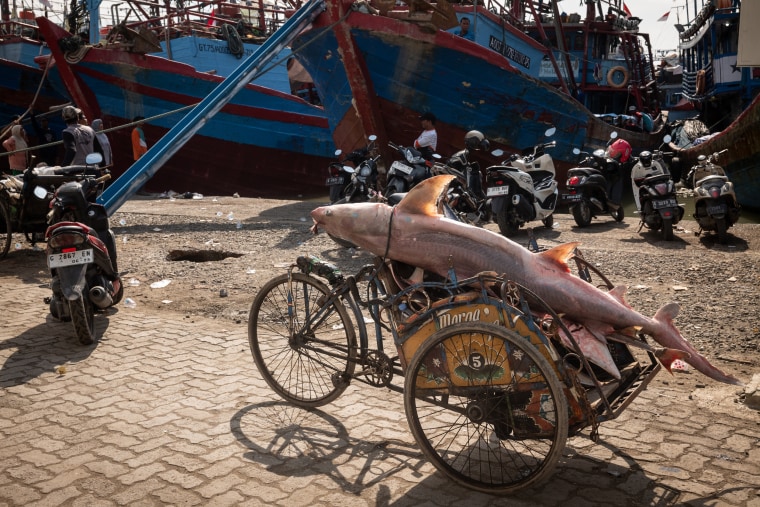 Indonesian fishermen unloading various species including sharks and wedgefish, which are one of the most threatened species, in Tegal, Indonesia, last June. Nicole Tung



























/https%3A%2F%2Fsportsmole-media-prod.s3.gra.io.cloud.ovh.net%2Fuploads%2F2026%2F02%2Fimago1072832028-1-1-6996d086195c8904803070.jpg)
 Bengali (BD) ·
  English (US) ·