.png)
 2 weeks ago
12
2 weeks ago
12
Article content
Retaliation is becoming more palatable
Article content
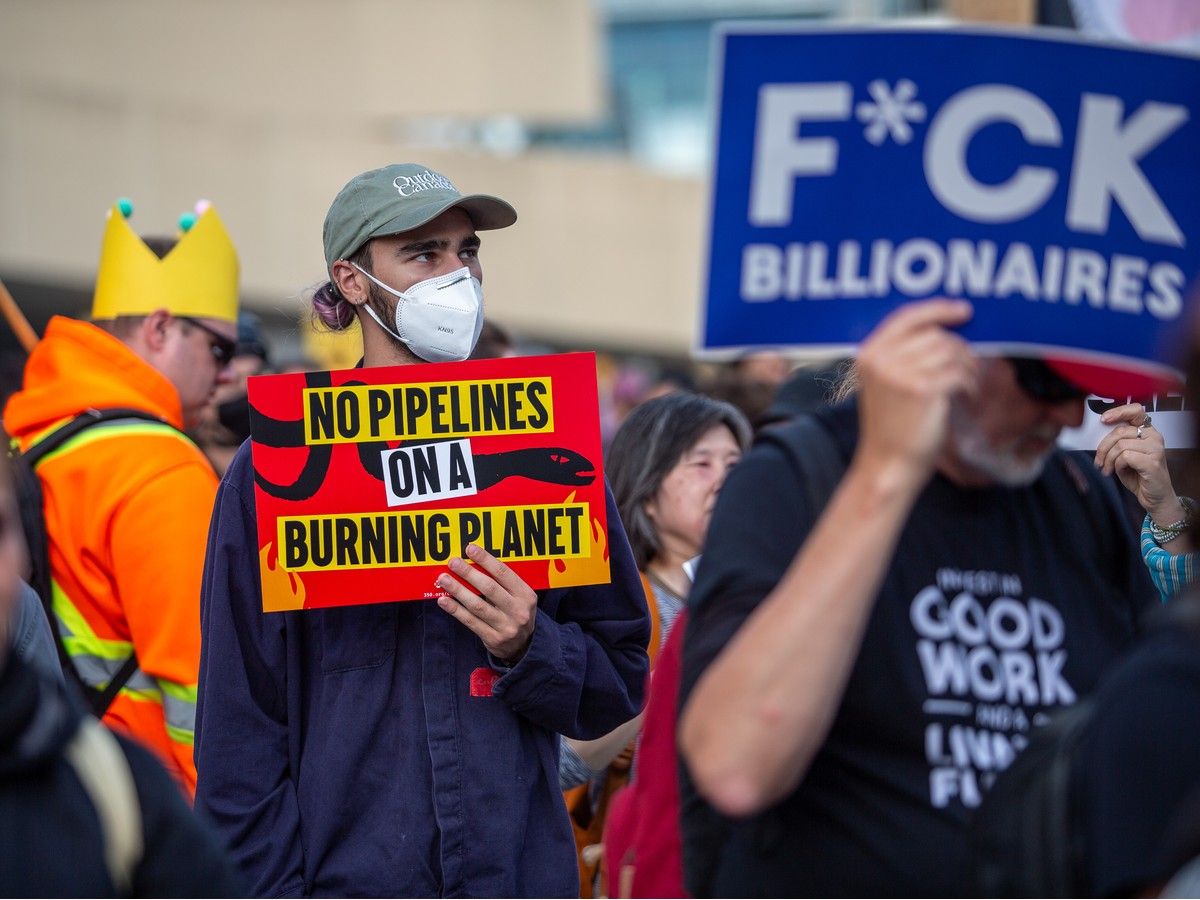
Even before the escalation, 62 per cent of Canadians supported retaliation against U.S. tariff threats. Based on the latest drama, however, that number may climb even higher.
Article content
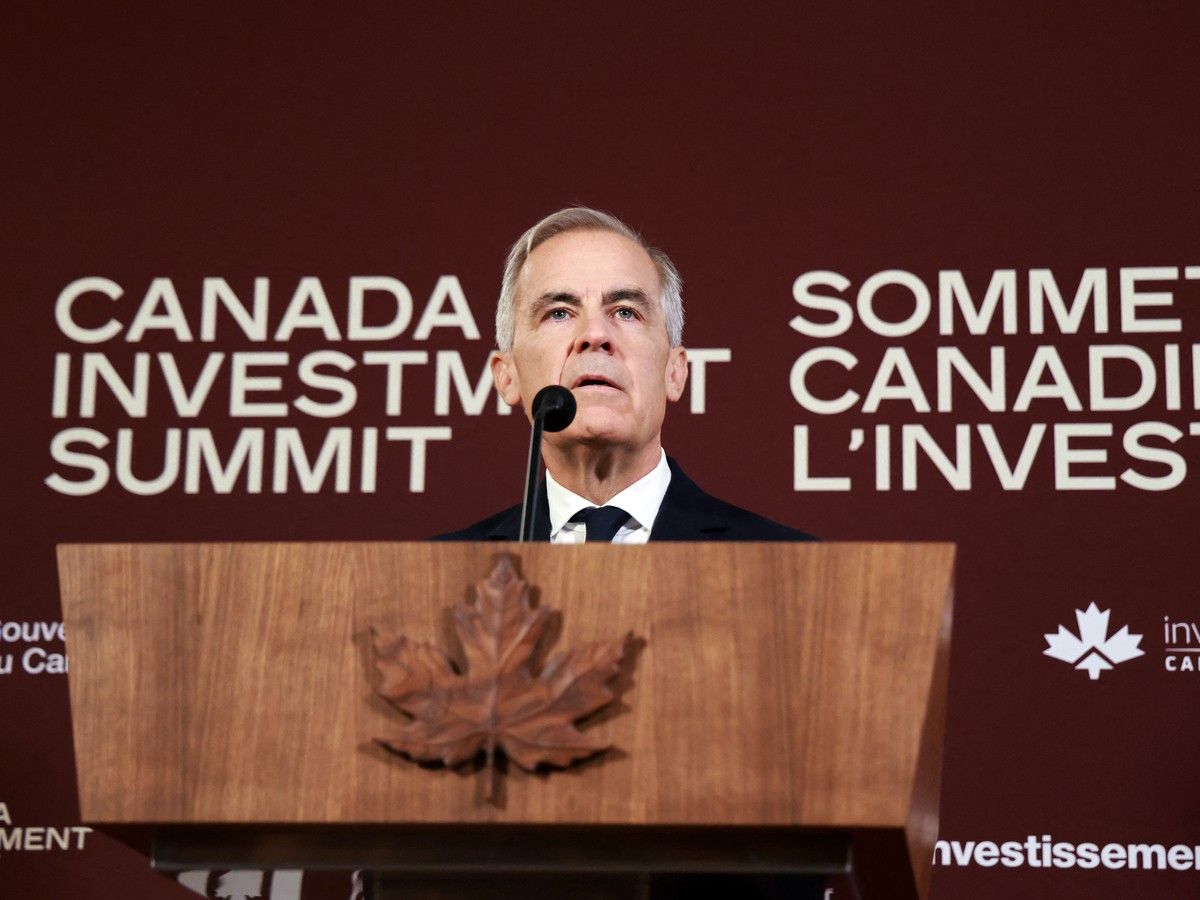
What’s striking about Carney’s response, however, is how quickly and confidently he vowed dollar-for-dollar retaliation. Carney had previously been cool on retaliatory tariffs, even dropping some of Canada’s last September. Now his rapid pivot to retaliation signals not just a change in strategy, but a belief that Canadians — and the country’s global allies — will support it.
Article content
Retaliation, however, is not just limited to tariffs. Over the last few days, a war of words has erupted between the Trump administration and Canada’s political leaders, with Ontario Premier Doug Ford saying Trump “can kiss my ass.”
Article content
Bloc Québécois leader Yves-François Blanchet is calling for Canada to suspend defence contracts, including the purchase of American F-35 fighter jets. There are options for retaliation that extend far beyond trade.
Article content
To say this is unusual for Canadian foreign policy is an understatement. Open threats of retaliation were extremely rare before the Trump administration. And when Canadians did talk about retaliation, there were always fears of being punished by the U.S.
Article content
Article content
Now, the conversation has flipped and political luminaries like Jean Chrétien, a former Canadian prime minister, are at the front of a very long line calling to “hit where it hurts.”
Article content
The U.S. is running out of time
Article content
The conventional view is that, in any trade dispute, the U.S. would quickly defeat Canada. The U.S. has a much larger economy, is less reliant on exports to Canada, and, in theory, should more easily absorb any retaliatory measures.
Article content
The New York Times has already dismissed Canada’s retaliatory tariffs as having “the effect of a pea shooter in a gun battle.” But this view underestimates Canada’s leverage.
Article content
As Nobel-prize winning economist Paul Krugman explains, the U.S. imports economically vital goods from Canada like oil, lumber, electricity and aluminum, for which there is no cheap and accessible domestic substitute. Tariffs on these goods means higher costs for American consumers and businesses in an already inflationary environment.
Article content
Foreign governments are acutely aware of these economic problems, and the role they will play in the upcoming U.S. midterm elections. As an American foreign policy scholar, Paul Musgrave, argues, this creates incentives for countries to use time as a weapon against the U.S.
Article content
Article content
For Iran, this could mean keeping oil prices high in order to punish Republicans in the midterms. For Canada, it means leaving Republicans to defend a bitterly unpopular trade war.
Article content
It can also mean calibrating tariffs to target areas with vulnerable Republican House and Senate seats, like Ohio, Michigan and Maine. Democratic candidates in these states are already racing to attack Republican incumbents over their support for Trump’s trade war.
Article content
The point is not that Canada can defeat the U.S. — it can’t. But it can cause enough pain in the right place, and at the right time, to make a trade war politically costly.
Article content
Two views of Canada’s future
Article content
In the past 18 months, Canada’s response to the Trump administration has been driven by a specific view of the future.
Article content
In this view, the Trump administration may be detestable, but it is only an anomaly and one day it will be gone. When this happens, relations will normalize, so Canada had best not do anything to jeopardize the long-term relationship.
Article content
After Aug. 22, a very different view of the future is emerging.
Article content
In this view, Canada needed to send a pointed message that the Trump administration had crossed a red line. If the administration does not pay a political price for its aggression, then there will be nothing to deter future administrations from pursuing a similar policy.
Article content
Whether Canadians are willing to shoulder the sacrifices required by this sharper view of the future is something only time will tell.
Article content
Eric Van Rythoven is an instructor in political science at Carleton University. This article was originally published on The Conversation, an independent and nonprofit source of news, analysis and commentary from academic experts.
Article content

















/https%3A%2F%2Fsportsmole-media-prod.s3.gra.io.cloud.ovh.net%2Fuploads%2F2026%2F09%2Ficonsport-373637-0018-6a9e6d20a27e0398293470.jpg)
 Bengali (BD) ·
  English (US) ·