.png)
 4 hours ago
7
4 hours ago
7
Article content
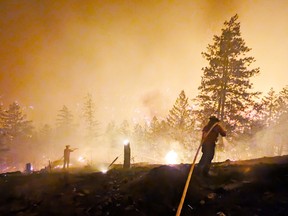
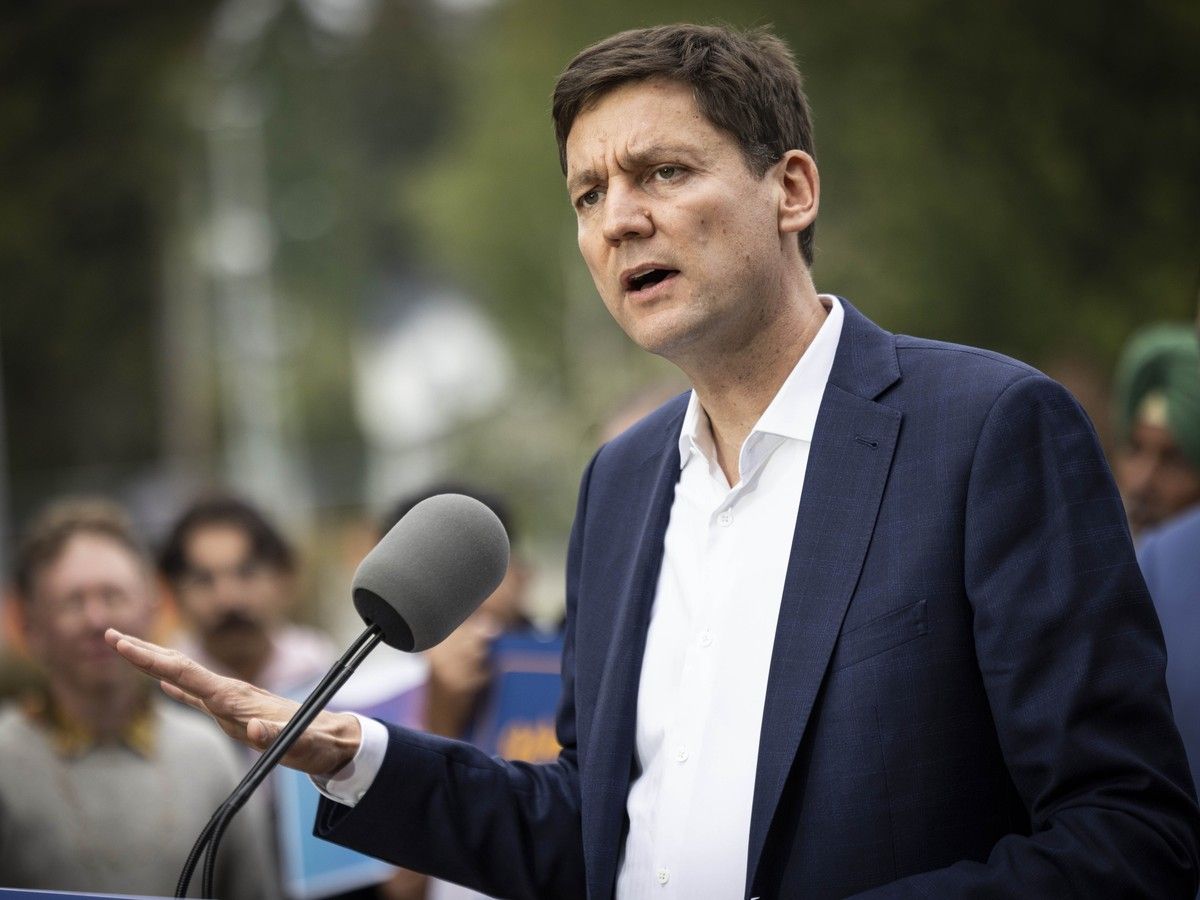
Premier David Eby invoked the image of a firebreak when he called the provincial election last week. It was in reference to defending ourselves against U.S. President Donald Trump’s trade threats.

THIS CONTENT IS RESERVED FOR SUBSCRIBERS ONLY
Subscribe now to read the latest news in your city and across Canada.
- Unlimited online access to articles from across Canada with one account.
- Get exclusive access to the Vancouver Sun ePaper, an electronic replica of the print edition that you can share, download and comment on.
- Enjoy insights and behind-the-scenes analysis from our award-winning journalists.
- Support local journalists and the next generation of journalists.
- Daily puzzles including the New York Times Crossword.
SUBSCRIBE TO UNLOCK MORE ARTICLES
Subscribe now to read the latest news in your city and across Canada.
- Unlimited online access to articles from across Canada with one account.
- Get exclusive access to the Vancouver Sun ePaper, an electronic replica of the print edition that you can share, download and comment on.
- Enjoy insights and behind-the-scenes analysis from our award-winning journalists.
- Support local journalists and the next generation of journalists.
- Daily puzzles including the New York Times Crossword.
REGISTER / SIGN IN TO UNLOCK MORE ARTICLES
Create an account or sign in to continue with your reading experience.
- Access articles from across Canada with one account.
- Share your thoughts and join the conversation in the comments.
- Enjoy additional articles per month.
- Get email updates from your favourite authors.
THIS ARTICLE IS FREE TO READ REGISTER TO UNLOCK.
Create an account or sign in to continue with your reading experience.
- Access articles from across Canada with one account
- Share your thoughts and join the conversation in the comments
- Enjoy additional articles per month
- Get email updates from your favourite authors
Sign In or Create an Account
or
Article content
But given the scope and scale of the wildfire challenge facing B.C., a firebreak isn’t just a trade metaphor. It’s part of a suite of actions needed to protect against the severe ecological and social impacts of catastrophic wildfire — and that is an important issue in this election too.
Article content
Article content
Advertisement 1
Article content
The 2026 wildfire season destroyed more than 500 structures, including many homes. Highway 1 was closed for almost two months, and more than 20,000 people were displaced. Since 2017, provincial spending on wildfire response has surpassed $5 billion, and evacuation orders or alerts have applied to more than 400,000 people.
Article content
By signing up you consent to receive the above newsletter from Postmedia Network Inc.
Article content
Wildfire modelling indicates things will get worse in B.C. before they get better. But we can take action now to mitigate future impacts and rising costs.
Article content
At the University of Victoria’s Polis wildfire resilience project, we study wildfire science, governance, legislation, policies, and programs in B.C. We believe wildfire resilience requires a multi-faceted social and ecological approach, as reflected in these five platform commitments that we urge all political parties to adopt:
Article content
1. Commit to stable, predictable, yearly funding for the provincial FireSmart program so people and communities can reduce risk to their properties and homes. FireSmart is a proven risk-reduction program that includes building recommendations such as fireproof roofing materials and creating a 1.5-metre outside buffer of fire-resistant materials around a home. FireSmart funding to assist property owners and local governments is set to conclude in 2026.
Article content
Advertisement 2
Article content
2. Prioritize support for cooperative community wildfire response groups or community fire brigades by increasing funding for the training and equipment these volunteer groups require. Many people want to stay and defend when wildfire threatens their homes or community, yet this can create a different set of risks and safety concerns. Response groups help mitigate these by providing an avenue for locals to be actively involved as a support to professional B.C. Wildfire Service crews. The program requires volunteers to attain provincial certifications, which improves safety concerns.
Article content
3. Promote innovative, low-cost fuel management treatments. Removing fuel from the forest to decrease risk can be enormously expensive ($1,000 to $10,000 per hectare) given the challenge of 37 million hectares (370,000 square kilometres) of forest in B.C. at high or extreme wildfire risk. Innovative approaches include research on where to place firebreaks to maximize landscape level effectiveness.
Article content
4. Harness the forest industry’s harvesting power to reduce fuels on the landscape. Industry has a specific role in finding economic uses for removing fuel, as well as agreeing to regulatory changes such as ensuring a logged site is left at a lower level of wildfire risk than before harvesting.





















/https%3A%2F%2Fsportsmole-media-prod.s3.gra.io.cloud.ovh.net%2Fuploads%2F2026%2F09%2Fmikel-arteta-21-6ab9a6087b35f019707296.jpg)
 Bengali (BD) ·
  English (US) ·