.png)
 1 week ago
14
1 week ago
14
Article content
By National Bank’s measure, nowhere in Canada is housing less affordable than in B.C. Yet the province is also sitting on thousands of empty new homes. According to Canada Mortgage and Housing Corp. data, B.C. had 5,849 finished, unsold condos in May — up sharply over the past year. Homes built, empty and waiting, in the very place people say they can’t find one.

THIS CONTENT IS RESERVED FOR SUBSCRIBERS ONLY
Subscribe now to read the latest news in your city and across Canada.
- Unlimited online access to articles from across Canada with one account.
- Get exclusive access to the Vancouver Sun ePaper, an electronic replica of the print edition that you can share, download and comment on.
- Enjoy insights and behind-the-scenes analysis from our award-winning journalists.
- Support local journalists and the next generation of journalists.
- Daily puzzles including the New York Times Crossword.
SUBSCRIBE TO UNLOCK MORE ARTICLES
Subscribe now to read the latest news in your city and across Canada.
- Unlimited online access to articles from across Canada with one account.
- Get exclusive access to the Vancouver Sun ePaper, an electronic replica of the print edition that you can share, download and comment on.
- Enjoy insights and behind-the-scenes analysis from our award-winning journalists.
- Support local journalists and the next generation of journalists.
- Daily puzzles including the New York Times Crossword.
REGISTER / SIGN IN TO UNLOCK MORE ARTICLES
Create an account or sign in to continue with your reading experience.
- Access articles from across Canada with one account.
- Share your thoughts and join the conversation in the comments.
- Enjoy additional articles per month.
- Get email updates from your favourite authors.
THIS ARTICLE IS FREE TO READ REGISTER TO UNLOCK.
Create an account or sign in to continue with your reading experience.
- Access articles from across Canada with one account
- Share your thoughts and join the conversation in the comments
- Enjoy additional articles per month
- Get email updates from your favourite authors
Sign In or Create an Account
or
Article content
Article content
That isn’t just a contradiction, it’s an opportunity. Picture a pantry full of food about to spoil while people go hungry at the door. Handing it over won’t end hunger — but it puts something real to good use and helps people who need it. That is the spirit of what the federal and provincial governments are trying: buy the empty units and turn them into affordable, rent-to-own homes. It’s opportunistic in the best sense of the word. And our position is simple: Don’t shut down a promising, innovative idea before you do the math.
Article content
Article content
Article content
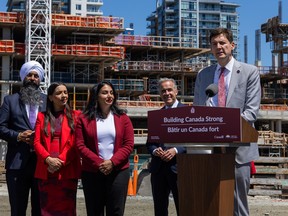
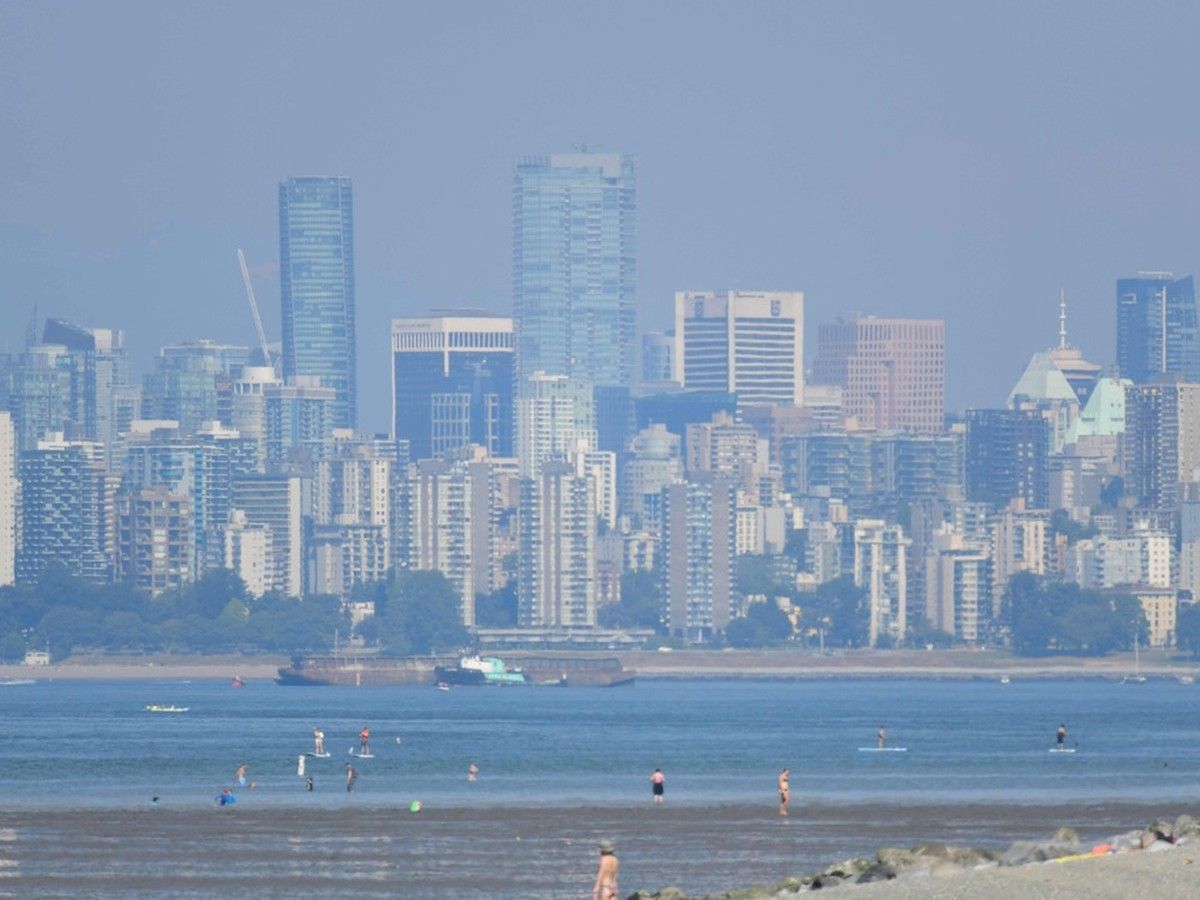
Here’s the plan, without the noise: According to the two governments, the governments will spend roughly $1.45 billion to convert more than 2,200 vacant units into rent-to-own homes, bought below the cost of construction. Before we go much further, one thing is worth pointing out, because much of the coverage didn’t: this is separate from the $3.2-billion cut to development charges announced the same day. And while the story is often illustrated featuring Vancouver’s priciest towers, Premier David Eby says the deal won’t include the City of Vancouver — the empty units are mostly in Burnaby and Richmond.
Article content
Article content
More remedial math: Of the announced $1.45 billion, only about $300 million is direct government money — roughly $135,000 per unit. The rest is financing and, as Eby notes, the mortgage becomes an asset the public holds, not money spent. Building the same homes from scratch would cost more and take years, but these are ready to house people now. There is a knock-on effect, too — fill 2,200 units and you free up as many as 2,200 rentals for the next family down the ladder.
Article content
There is a catch, and it’s real. New condos like these run at an average of $1.1 million, according to analyst Mark Goodman — so 2,200 at market prices would cost $2.2 billion to $2.5 billion, well above the $1.45-billion budget. Obviously, the math only works if governments buy at a deep discount. And that will be the number to judge — not a reason to reject the idea before we’ve seen it.
Article content
To be clear, this is where this proposal succeeds or fails.
Article content
Pay yesterday’s prices and taxpayers lose. Force developers into fire-sale prices and you risk discouraging the very investment needed to build tomorrow’s housing. Somewhere between the two extremes lies a fair price — one that reflects today’s market rather than yesterday’s expectations.























/https%3A%2F%2Fsportsmole-media-prod.s3.gra.io.cloud.ovh.net%2Fuploads%2F2026%2F07%2Fdaniel-mcgregor-huyer-zuma-press-wire-luciano-gonzalez-anadolu-abacapress-com-estadio-azteca-harry-kane-jude-bellingham-composite-6a49eb8857b70695441164.png)
 Bengali (BD) ·
  English (US) ·