.png)
 3 hours ago
10
3 hours ago
10
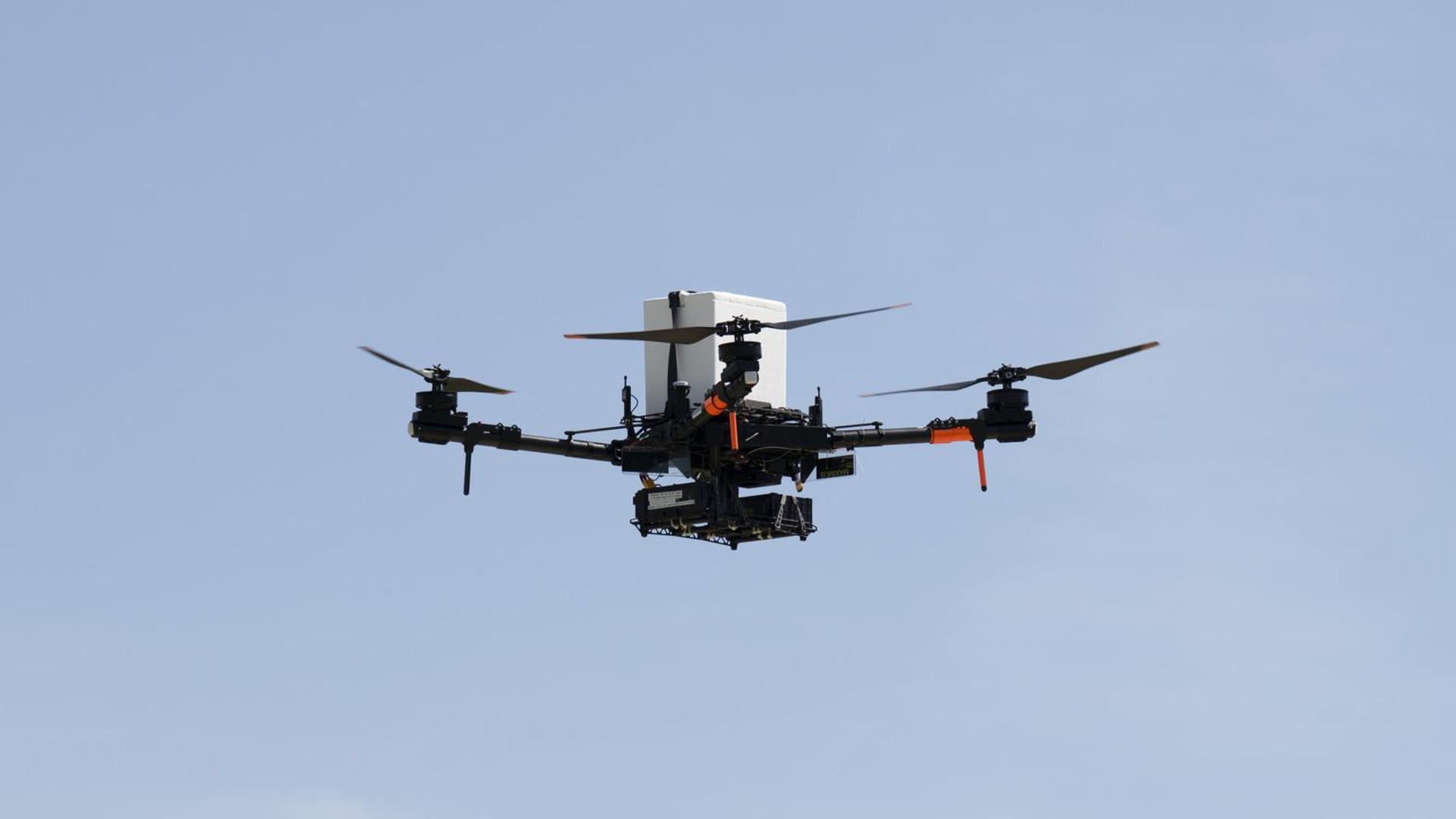
NASA is hoping to use drones to speed up organ delivery for transplant patients.
A flight test earlier this month at NASA's Langley Research Center in Virginia saw a drone pick up a kidney and fly it for the first time beyond "line of sight", or the distance from which a drone is visible by an operator. Keeping a line of sight on a drone is a typical requirement for flight safety, but NASA is developing tools that may allow these machines to fly further away from operators in populated environments more regularly.
The kidney on the June 5 flight test was not viable for organ transplantation, which is why the agency and partner United Network for Organ Sharing were able to use it, according to WTKR. If all goes to plan with future tests conducted with NASA Langley, however, UNOS aims to fly organ-bearing drones as far as 15 miles (24 km), in between hospitals for example, to allow for swift and safe delivery to waiting patients. The drone collaboration was created to "explore faster, more reliable ways to transport donor organs using advanced aviation technologies", according to space agency materials published in April.
Drones may have a better ability than larger aircraft to navigate ground logistics or maneuver in dense or hard-to-reach delivery areas. What's more, drones might be able to do so faster than aircraft, which is crucial: organs can only last so long during transportation.
The test used additional radios on the drones intended to allow pilots to keep an eye on the drones even while out of sight. "What that means, more or less, is we're going to have the pilot in command be about a mile away inside of a control room," Kyle Smalling, an aerospace engineer at NASA Langley, told WAVY.com.
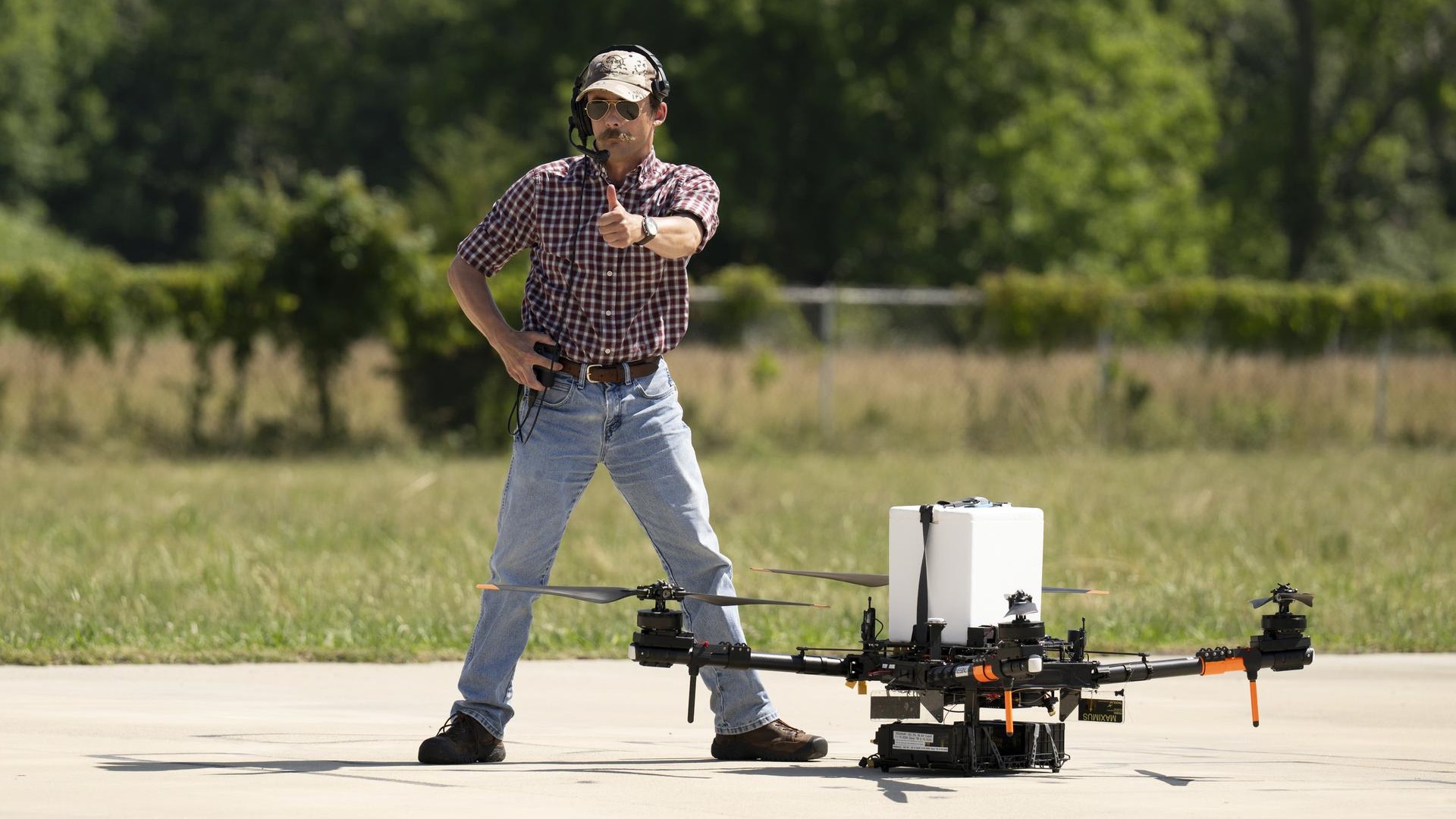
Smalling added that this test met Federal Aviation Administration (FAA) requirements and took place on a NASA Langley flight range known as the City Environment Range Testing for Autonomous Integrated Navigation or CERTAIN, presumably for additional safety.
The flown kidney will eventually be assessed for "factors such as temperature stability and potential tissue damage caused by a lack of blood flow," NASA officials wrote in April about the June 5 flight test.
Beyond that, agency officials said they are hoping to explore "operational feasibility and scalability" for flying drones to patients as a "last-mile service" from a long-distance delivery, sort of in a similar way to how Amazon may be bringing packages to doors after initial shipment by truck.
"This is a chance to apply NASA Langley technology to a real-world problem that can save people's lives who are waiting for transplants," John Koelling, director of Langley's aeronautics research directorate, said in the statement.
"There's nothing more rewarding than seeing your technical work have a positive impact on people's lives."

























/https%3A%2F%2Fsportsmole-media-prod.s3.gra.io.cloud.ovh.net%2Fuploads%2F2026%2F05%2Fscheffler-6a034d9fca412032057779.jpg)
/https%3A%2F%2Fsportsmole-media-prod.s3.gra.io.cloud.ovh.net%2Fuploads%2F2026%2F06%2Ficonsport-111147-0089-1-6a27d006a81d1227497324.jpg)
/https%3A%2F%2Fsportsmole-media-prod.s3.gra.io.cloud.ovh.net%2Fuploads%2F2026%2F06%2Fimago-xinhua-nestory-irankunda-celebrates-scoring-for-australia-in-the-world-cup-on-june-14-2026-6a2f348854d1b663111439.jpg)
 Bengali (BD) ·
  English (US) ·