.png)
 4 hours ago
10
4 hours ago
10
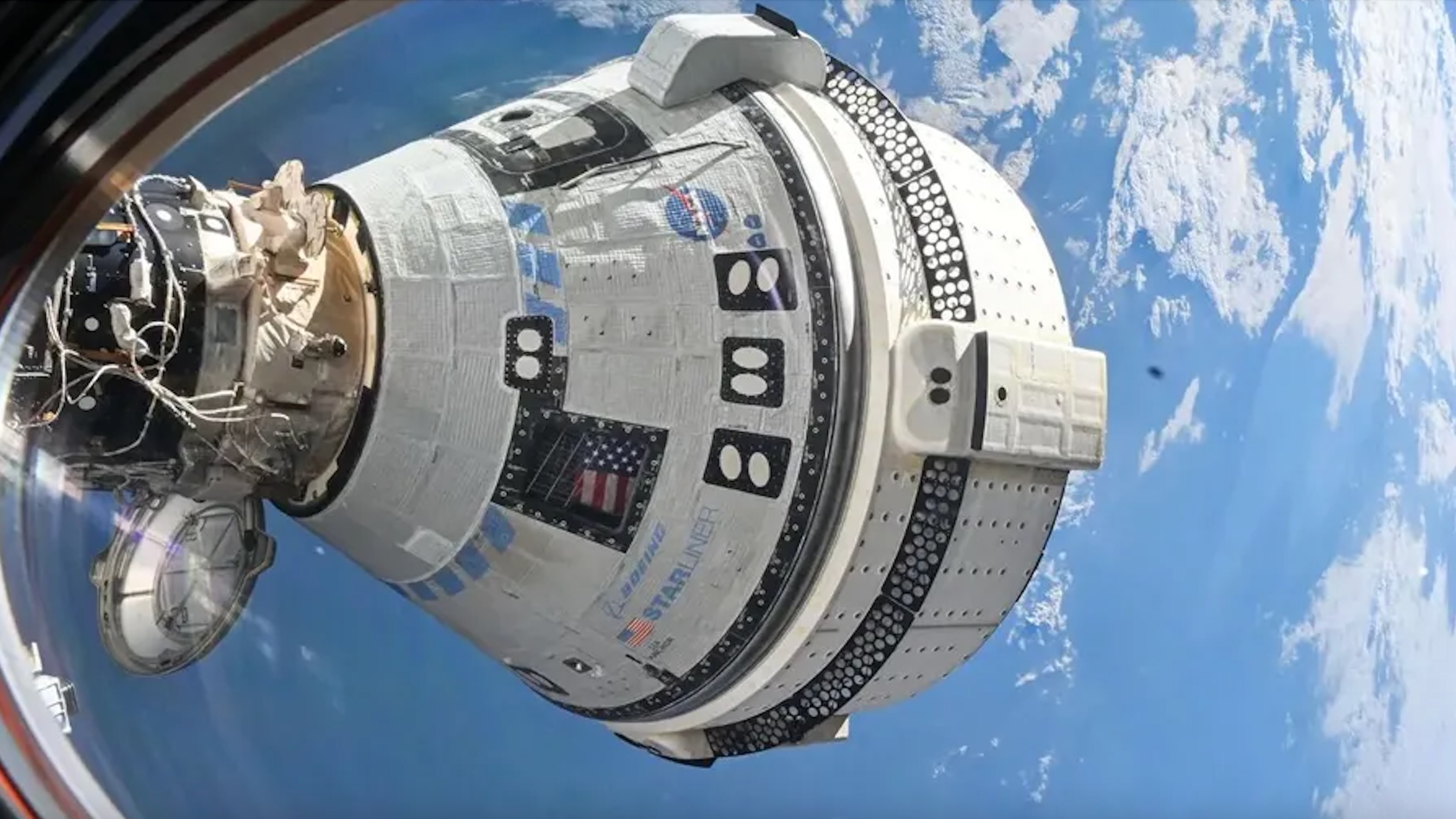
It's unclear when Boeing will be able to send more astronauts to the International Space Station, a new NASA audit warns.
Technical issues with Boeing Starliner's spacecraft, across two uncrewed flights and a two-astronaut test mission known as Crew Flight Test (CFT), come under scrutiny in a new report about NASA's Commercial Crew Program from the agency's Office of the Inspector General (OIG).
"Many of these [Starliner] issues are related to three longstanding technical challenges that have prevented Boeing from obtaining the human-rating certification — helium leaks, propulsion systems failures and parachute anomalies," states the OIG report, which was released today (June 30).
"The helium leaks and propulsion systems failures remain unresolved as of March 2026, and NASA is uncertain as to when this testing will be completed or human-rating certification for the Starliner will be obtained," the report adds.
The NASA OIG performed the audit to evaluate the performance of both companies that NASA contracted to fly astronauts to and from the International Space Station (ISS). The auditor found that NASA will need to purchase more flights from those vendors, SpaceX and Boeing, "to continue to fully crew the ISS through 2030," and offered feedback on how the two companies have been doing so far.
SpaceX has been flying astronauts successfully since 2020 and is readying to send its 13th operational crewed mission (known as Crew-13) to the orbiting complex in September. Boeing, however, has just one astronaut flight under its belt — CFT, which launched in June 2024 and encountered multiple problems, resulting in NASA having to bring the two astronauts back home on a SpaceX Crew Dragon capsule instead of Starliner.
Starliner has therefore not been certified to fly astronauts yet. The company has decided that the capsule's next mission will be uncrewed, and there is not yet a launch date for it.
NASA ultimately reclassified Starliner's first crewed flight as a Type A mishap, the most serious type in human spaceflight, in February 2026. The fact that it took 21 months for the agency to do so is concerning, according to both the OIG and the Aerospace Safety Advisory Panel for NASA.
OIG said "ambiguity" in NASA requirements for a Type A mishap led to this gap, which also induced "delays, increased costs and potential performance and safety issues on future flights," according to the new report.
The authors added that underperformance on CFT can be traced to NASA's overconfidence in the spacecraft design, "unrealistic launch and flight test schedules" made by Boeing and accepted by NASA, and "pressure to adhere to this aggressive schedule." And these issues were compounded by NASA not exercising "data rights," which would have let the agency look at "flight-simulation-training failures" that likely would have helped with crew safety ahead of launch.
"Going forward, NASA's ongoing workforce constraints may further hinder oversight, resolution of technical issues, and flight certification schedules," the OIG report states, alluding to effects that the auditor foresees from budget-related workforce cutbacks at NASA.
The bulk of the report discusses Starliner, but SpaceX also had "a variety of its own technical challenges" in the earlier days of the Dragon program, OIG noted. That said, SpaceX has helped NASA deal with Boeing's delays, while collecting "$17 million in additional costs to accelerate spaceflights originally planned for the Starliner," the OIG noted.
NASA concurred with all of OIG's recommendations to the agency going forward, which are:
- Delay payments to Boeing until Starliner's human-rating certification completes;
- Create a schedule with Boeing for the next Starliner flights;
- Document and resolve all of the CFT issues in "NASA's mishap information system" and update the schedule for Starliner with these issues in mind;
- Make private company flight-simulation testing on hardware and software changes accessible to NASA;
- Make NASA's mishap-classification requirements more clear;
- Prioritize NASA hiring efforts to focus on "critical skillsets" related to commercial crew and to the expected decommissioning of the ISS.



















/https%3A%2F%2Fsportsmole-media-prod.s3.gra.io.cloud.ovh.net%2Fuploads%2F2026%2F06%2Fimago-xinhua-nestory-irankunda-celebrates-scoring-for-australia-in-the-world-cup-on-june-14-2026-6a2f348854d1b663111439.jpg)

/https%3A%2F%2Fsportsmole-media-prod.s3.gra.io.cloud.ovh.net%2Fuploads%2F2026%2F06%2Fjarell-quansah-2-6a405306ed40a243376273.jpg)
 Bengali (BD) ·
  English (US) ·