.png)
 1 week ago
17
1 week ago
17
Article content
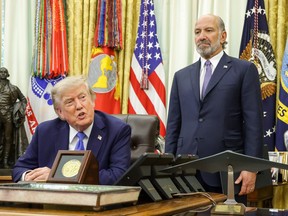
OTTAWA — Prime Minister Mark Carney told Canadians that he ended trade talks with the Americans because the gap between the two countries was simply “too wide in recent days” to strike a deal.

THIS CONTENT IS RESERVED FOR SUBSCRIBERS
Enjoy the latest local, national and international news.
- Exclusive articles by Conrad Black, Barbara Kay and others. Plus, special edition NP Platformed and First Reading newsletters and virtual events.
- Unlimited online access to National Post.
- National Post ePaper, an electronic replica of the print edition to view on any device, share and comment on.
- Daily puzzles including the New York Times Crossword.
- Support local journalism.
SUBSCRIBE FOR MORE ARTICLES
Enjoy the latest local, national and international news.
- Exclusive articles by Conrad Black, Barbara Kay and others. Plus, special edition NP Platformed and First Reading newsletters and virtual events.
- Unlimited online access to National Post.
- National Post ePaper, an electronic replica of the print edition to view on any device, share and comment on.
- Daily puzzles including the New York Times Crossword.
- Support local journalism.
REGISTER / SIGN IN TO UNLOCK MORE ARTICLES
Create an account or sign in to continue with your reading experience.
- Access articles from across Canada with one account.
- Share your thoughts and join the conversation in the comments.
- Enjoy additional articles per month.
- Get email updates from your favourite authors.
THIS ARTICLE IS FREE TO READ REGISTER TO UNLOCK.
Create an account or sign in to continue with your reading experience.
- Access articles from across Canada with one account
- Share your thoughts and join the conversation in the comments
- Enjoy additional articles per month
- Get email updates from your favourite authors
Sign In or Create an Account
or
Article content
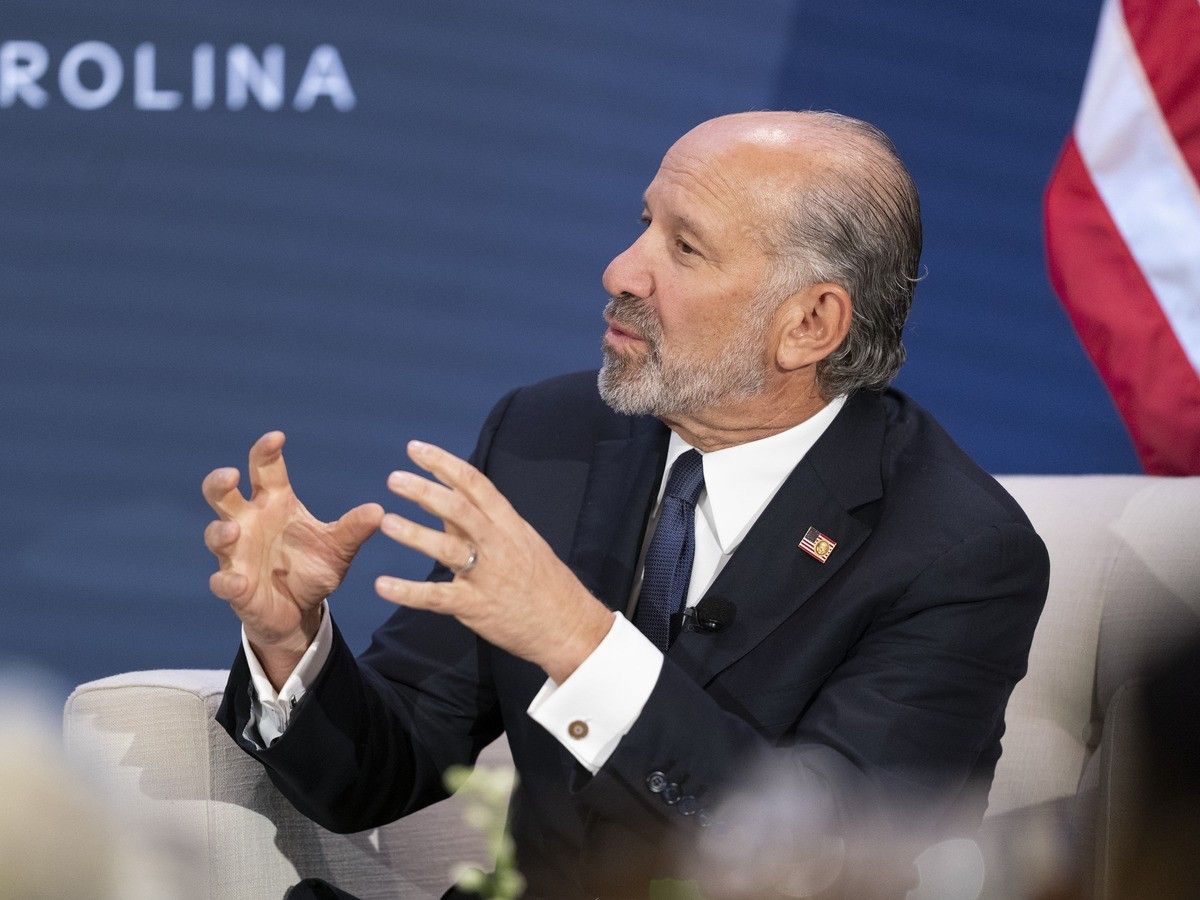
In reality, however, sources say, it was really just one late-to-the-party American negotiator, U.S. Commerce Secretary Howard Lutnick, who scuppered the talks with a series of last-minute demands on Canada.
Article content
Article content
Article content
Those new demands, which reportedly included the U.S. gaining control over which other countries Canada would be permitted to do business with, left the Canadian side with the impression that it had little choice but to walk away.
Article content
Article content
“It’s almost like they tried to derail the negotiations,” said one Canadian government source.
Article content
Carney also hinted in his press conference on Saturday at “differences” among the various characters in the Trump administration that came to light when negotiators got down to the finer details of the deal.
Article content
“In these last few days, we were drilling down on specific issues where that might have papered over the differences in the administration, if there were indeed differences,” said Carney.
Article content
A few days after the talks fell apart, Canadians may be asking: Who is Howard Lutnick?
Article content
To understand how he became a cabinet minister for U.S. President Donald Trump, it’s noteworthy how much of Lutnick’s biography, and even personality, overlaps with his boss, almost certainly more than anybody else in that cabinet.
Article content
Like Trump, Lutnick is a New Yorker, born to a Jewish family on Long Island in 1961, who went on to become a Manhattan billionaire. Public sources, such as Forbes, have pegged Lutnick’s net worth at more than US$7 billion.
Article content
Article content
Despite losing both his parents before he finished college, Lutnick finished an economics degree in 1983 from Haverford College, a private liberal arts institution in Haverford, Penn that was founded by Quakers in 1833 but didn’t start accepting women in 1980.
Article content
But the key step in Lutnick’s path to extreme prosperity occurred later that year when he was hired by financial services giant Cantor Fitzgerald. Lutnick, who was mentored by the company’s founder, B. Gerald Cantor, rose quickly and became the firm’s chief executive seven years later.
Article content
In 1995, Lutnick went to court over control of the company against his mentor’s wife Iris, as Cantor faced health problems. In legal documents, Lutnick claimed that Cantor no longer had the mental abilities to make decisions for the company.
Article content
When Cantor died a year later, Lutnick assumed control of the company and led a period of growth until the Sept. 11, 2001 terrorist attacks. Cantor Fitzgerald, with its headquarters in the north tower of the World Trade Centre, lost 658 employees, including Lutnick’s brother Gary. Lutnick was scheduled to be in the office on the morning of the attacks, but had taken one of his four kids to kindergarten.


























 Bengali (BD) ·
  English (US) ·