.png)
 6 days ago
25
6 days ago
25
Thanks to treatments, experts say there is more hope these days for dementia patients in Canada and their families
Published Sep 20, 2026 • Last updated 5 minutes ago • 2 minute read
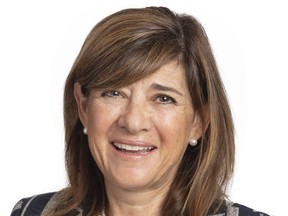
Politics aside, there is more hope these days for dementia patients in Canada and their families, so much so that Dr. Adriana Shnall believes the situation has improved “dramatically” over her 35 years in the field.
Advertisement 2

THIS CONTENT IS RESERVED FOR SUBSCRIBERS ONLY
Subscribe now to read the latest news in your city and across Canada.
- Unlimited online access to articles from across Canada with one account.
- Get exclusive access to the Toronto Sun ePaper, an electronic replica of the print edition that you can share, download and comment on.
- Enjoy insights and behind-the-scenes analysis from our award-winning journalists.
- Support local journalists and the next generation of journalists.
- Daily puzzles including the New York Times Crossword.
SUBSCRIBE TO UNLOCK MORE ARTICLES
Subscribe now to read the latest news in your city and across Canada.
- Unlimited online access to articles from across Canada with one account.
- Get exclusive access to the Toronto Sun ePaper, an electronic replica of the print edition that you can share, download and comment on.
- Enjoy insights and behind-the-scenes analysis from our award-winning journalists.
- Support local journalists and the next generation of journalists.
- Daily puzzles including the New York Times Crossword.
REGISTER / SIGN IN TO UNLOCK MORE ARTICLES
Create an account or sign in to continue with your reading experience.
- Access articles from across Canada with one account.
- Share your thoughts and join the conversation in the comments.
- Enjoy additional articles per month.
- Get email updates from your favourite authors.
THIS ARTICLE IS FREE TO READ REGISTER TO UNLOCK.
Create an account or sign in to continue with your reading experience.
- Access articles from across Canada with one account
- Share your thoughts and join the conversation in the comments
- Enjoy additional articles per month
- Get email updates from your favourite authors
Article content
The director of integrated learning, caregiving and innovation at Baycrest pointed to treatments on the horizon that could “really modify the trajectory” of the disease with proper government funding, as well as a better understanding of the risk factors that contribute to the onset of Alzheimer’s disease and other types of dementia.
Article content
Article content
“It’s all statistical, but we could perhaps decrease the risk of people developing dementia,” Shnall said last week in an interview with the Toronto Sun. “We know more about it. We’re on the right path, so this is a lot more hopeful than years past.”
As World Alzheimer’s Day arrives on Monday, here is a look at some of the risk factors of the disease and tips that caregivers can use to prepare themselves to look after a loved one:
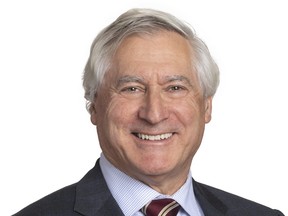
Risk factors for developing dementia
According to Dr. Howard Chertkow, senior scientist at the Baycrest Academy for Research and Education, “half of the burden” of developing dementia is genetic.
By signing up you consent to receive the above newsletter from Postmedia Network Inc.
Article content
Advertisement 3
Article content
“For the most part, it’s not like you get one bad gene (and) you’re going to get Alzheimer’s disease,” he said. “There’s a very small group of people in which this is true, but for the vast majority, that’s not how it works.”
Instead, lifestyle choices can help mitigate the risk of developing Alzheimer’s or other types of dementia, he said. They include:
— Protect your vascular supply by avoiding smoking and reducing your cholesterol;
— Set aside about 150 minutes a week for vigorous exercise, which Chertkow compared to “running to the point where you can’t have an easy conversation with someone.” But if running isn’t your idea of fun, try something else: Go to the gym, swim, ride a bike;
— Improve your health by incorporating the mind diet or the Mediterranean diet, which emphasizes less red meat and more fish, dairy, poultry, healthy fats, green leafy vegetables, olive oil and whole grains;
— Prioritizing social and cognitive stimulation;
— Get treated for depression and avoid too much alcohol and cannabis.
Advertisement 4
Article content
RECOMMENDED VIDEO

We apologize, but this video has failed to load.
Tips for caregivers
Shnall suggested caregivers follow the same suggestions as they are six times more likely to develop dementia than those who don’t care for someone with the disease.
“It depends on the person,” Shnall said, “but what’s crucial is that self-care is not a luxury and a nice-to-have thing to look after ourselves; it’s imperative.”
As well:
— Use free day programs to get some time for yourself;
— Arrange for other family members or friends to spell you when you are overwhelmed;
— Take the dog for a walk with a neighbour or do something else you find meaningful;
— Try deep-breathing exercises.
Read More
-

6 sneaky signs of hearing loss and what you can do about it
-

The screenings and other habits doctors recommend as early-onset cancers rise


Article content





























 Bengali (BD) ·
  English (US) ·