.png)
 2 hours ago
6
2 hours ago
6

Article content
Building at speeds not seen in generations, as per Mark Carney’s oft-repeated election pledge, has been less hypersonic than the prime minister might have wished.

THIS CONTENT IS RESERVED FOR SUBSCRIBERS
Enjoy the latest local, national and international news.
- Exclusive articles by Conrad Black, Barbara Kay and others. Plus, special edition NP Platformed and First Reading newsletters and virtual events.
- Unlimited online access to National Post.
- National Post ePaper, an electronic replica of the print edition to view on any device, share and comment on.
- Daily puzzles including the New York Times Crossword.
- Support local journalism.
SUBSCRIBE FOR MORE ARTICLES
Enjoy the latest local, national and international news.
- Exclusive articles by Conrad Black, Barbara Kay and others. Plus, special edition NP Platformed and First Reading newsletters and virtual events.
- Unlimited online access to National Post.
- National Post ePaper, an electronic replica of the print edition to view on any device, share and comment on.
- Daily puzzles including the New York Times Crossword.
- Support local journalism.
REGISTER / SIGN IN TO UNLOCK MORE ARTICLES
Create an account or sign in to continue with your reading experience.
- Access articles from across Canada with one account.
- Share your thoughts and join the conversation in the comments.
- Enjoy additional articles per month.
- Get email updates from your favourite authors.
THIS ARTICLE IS FREE TO READ REGISTER TO UNLOCK.
Create an account or sign in to continue with your reading experience.
- Access articles from across Canada with one account
- Share your thoughts and join the conversation in the comments
- Enjoy additional articles per month
- Get email updates from your favourite authors
Sign In or Create an Account
or
Article content
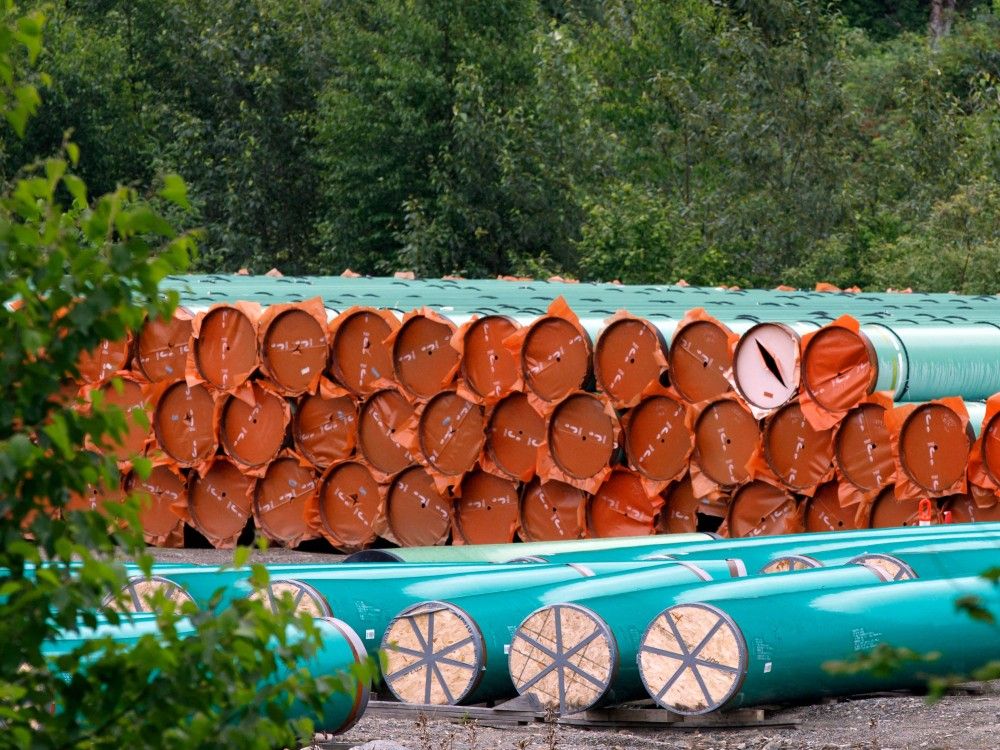
As the new parliamentary budget officer pointed out last week in an analysis of the spring fiscal update, only two of 15 projects being overseen by Carney’s Major Projects Office are actually under construction, and the two largest have yet to reach a final investment decision.
Article content
Article content
Article content
Part of the problem remains regulatory uncertainty, and that was the subject of a discussion paper issued by the government on Friday. That sounds of little consequence, but it could prove seismic.
Article content
By signing up you consent to receive the above newsletter from Postmedia Network Inc.
Article content
It pointed out that the speech from the throne had promised to make decisions on big projects within two years — down from five (or more) in years past.
Article content
To achieve that goal, the government is now proposing some major changes to regulations and environmental assessments. There would be earlier and more co-ordinated consultation with Indigenous Canadians; one federal project decision, rather than multiple from different departments; approval authority for pipelines and nuclear projects would transfer from the Impact Assessment Agency to the Canada Energy Regulator and the Canadian Nuclear Safety Commission respectively; the government would create “federal economic zones” for transportation corridors and telecom networks, to ease the permitting process; and it would streamline the regulatory environment by being more flexible, about for example allowing early construction activity before an impact decision is made.
Article content
Article content
Shannon Stubbs, the Conservative energy critic, hit the politics show circuit over the weekend, calling it all “an illusion,” and pointing out that this prime minister advised the last one, who oversaw the paralyzation of approvals processes.
Article content
Article content
If the discussion paper turns into legislation, that line is going to be a hard sell.
Article content
The proof that this prime minister is not following the same script as the last one is clear from the bewailing by the Liberal environmental wing and its NGO fellow travellers.
Article content
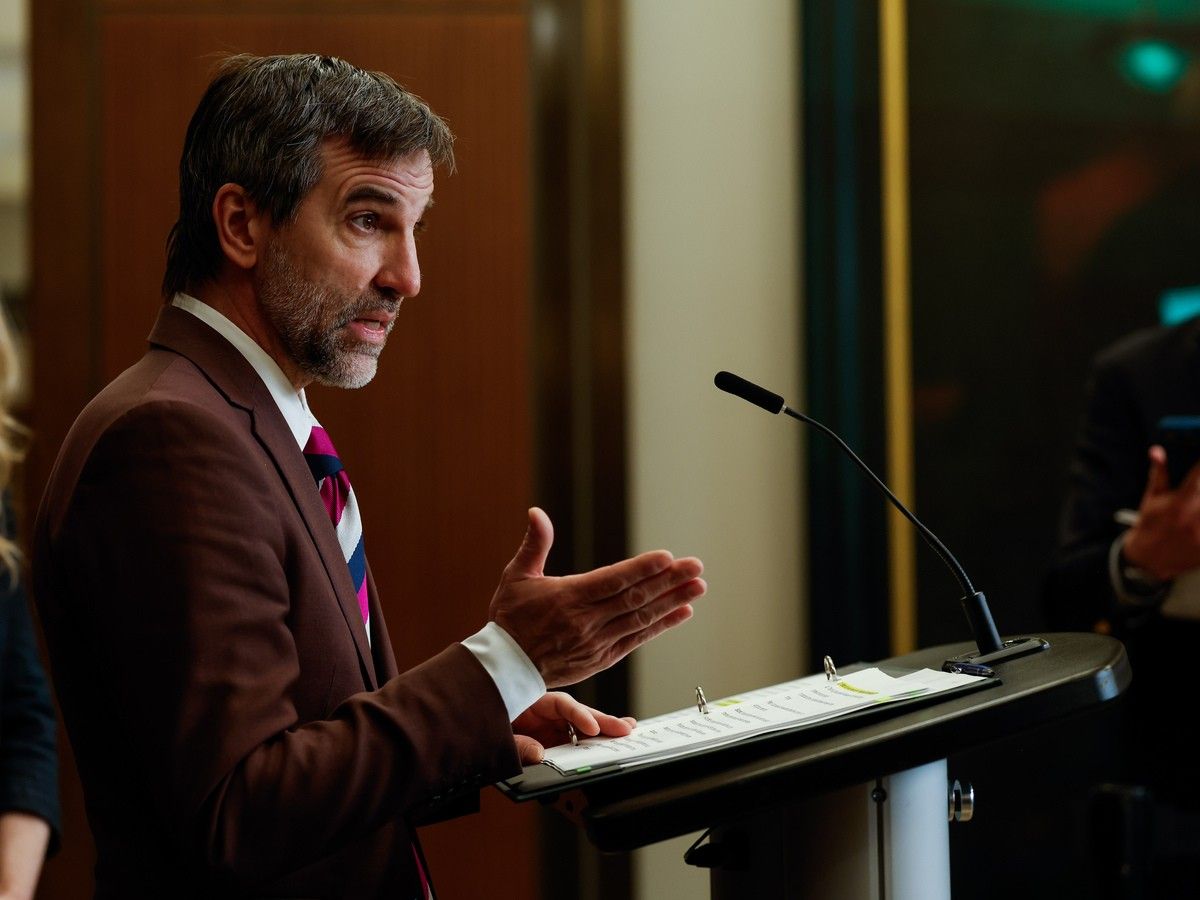
Former environment minister Steven Guilbeault told the Toronto Star’s Althia Raj that the measures proposed in the discussion paper go beyond what the Harper government proposed in 2012. If it goes ahead, he said “the main criteri(on) to evaluate projects moving forward … is going to be economic development, and nothing else will matter.”
Article content
There is no doubt there are political risks for Carney in these proposals. MPs say he was challenged in caucus last week on the lack of social spending in the spring update.
Article content
One caucus source said Guilbeault’s position is becoming untenable, and no-one would be surprised to see him end up in the NDP. But the source said the gap between the former minister and the next person in the caucus on environmental issues remains wide. Mass defections remain unlikely at this point, he said.






















 Bengali (BD) ·
  English (US) ·