.png)
 1 week ago
16
1 week ago
16
Canada’s leaders talked about diversifying trade, cutting red tape and building major projects but did too little before the tariffs hit
Published Sep 03, 2026 • Last updated 2 hours ago • 4 minute read

Some Canadian politicians have been caught flat-footed in responding to U.S. President Donald Trump’s tariff agenda.
Advertisement 2

THIS CONTENT IS RESERVED FOR SUBSCRIBERS ONLY
Subscribe now to read the latest news in your city and across Canada.
- Unlimited online access to articles from across Canada with one account.
- Get exclusive access to the Toronto Sun ePaper, an electronic replica of the print edition that you can share, download and comment on.
- Enjoy insights and behind-the-scenes analysis from our award-winning journalists.
- Support local journalists and the next generation of journalists.
- Daily puzzles including the New York Times Crossword.
SUBSCRIBE TO UNLOCK MORE ARTICLES
Subscribe now to read the latest news in your city and across Canada.
- Unlimited online access to articles from across Canada with one account.
- Get exclusive access to the Toronto Sun ePaper, an electronic replica of the print edition that you can share, download and comment on.
- Enjoy insights and behind-the-scenes analysis from our award-winning journalists.
- Support local journalists and the next generation of journalists.
- Daily puzzles including the New York Times Crossword.
REGISTER / SIGN IN TO UNLOCK MORE ARTICLES
Create an account or sign in to continue with your reading experience.
- Access articles from across Canada with one account.
- Share your thoughts and join the conversation in the comments.
- Enjoy additional articles per month.
- Get email updates from your favourite authors.
THIS ARTICLE IS FREE TO READ REGISTER TO UNLOCK.
Create an account or sign in to continue with your reading experience.
- Access articles from across Canada with one account
- Share your thoughts and join the conversation in the comments
- Enjoy additional articles per month
- Get email updates from your favourite authors
Article content
For a year and a half, Canada’s political leaders have known that Trump’s protectionist trade agenda was on its way.
Article content
Article content
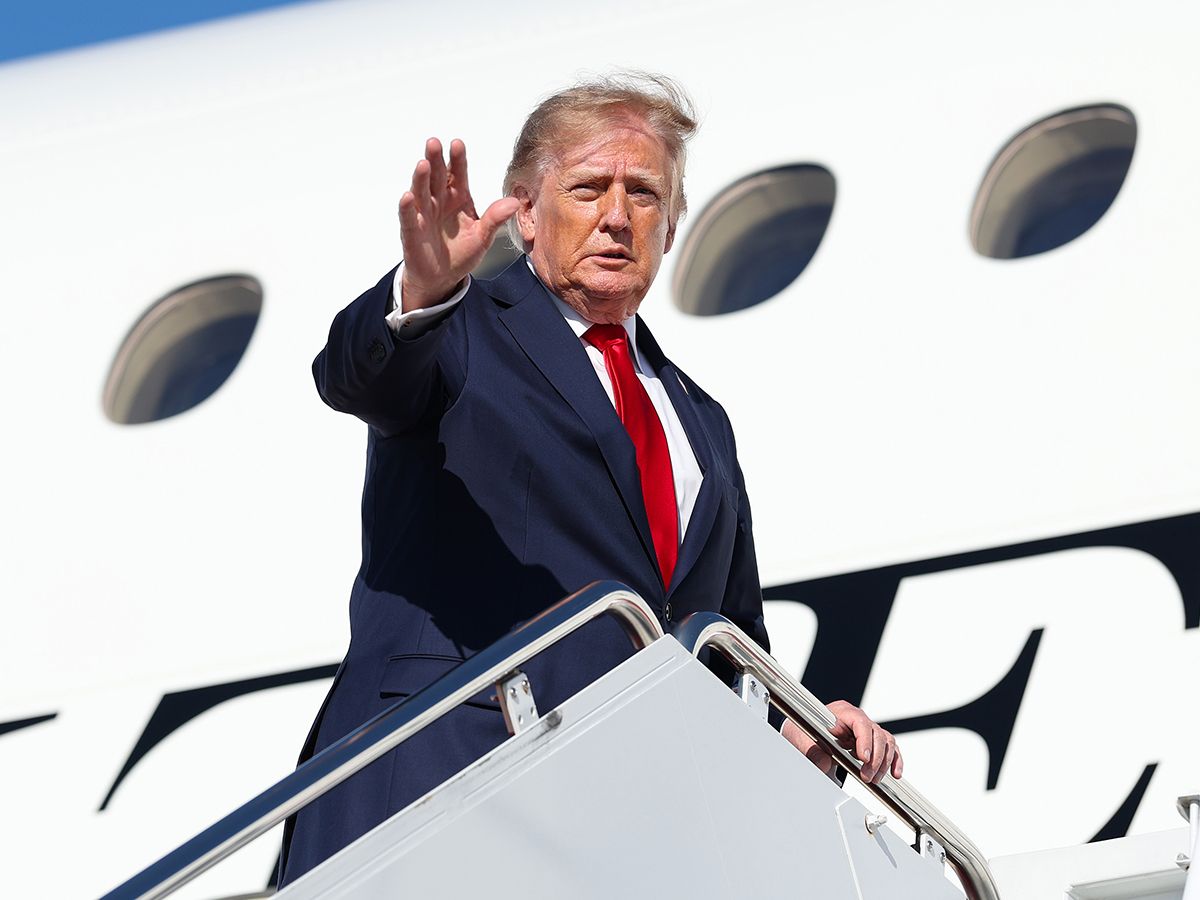
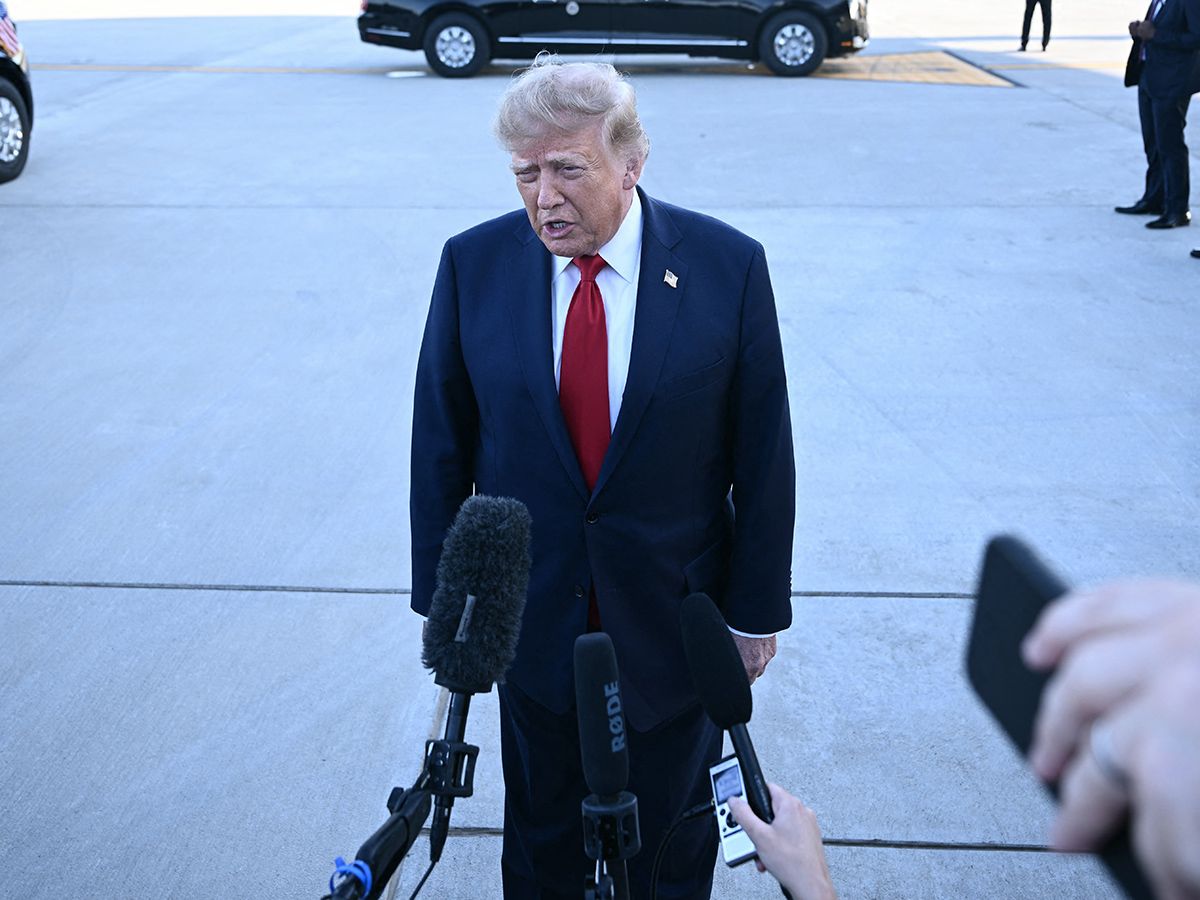
“Instead of taxing our citizens to enrich other countries, we will tariff and tax foreign countries to enrich our citizens,” said Trump in his second inaugural address.
Of course, that’s not how tariffs work. Tariffs are taxes on imports, which are paid by residents, not foreign nations. But Trump wasn’t about to let economics get in the way of his protectionist agenda.
Just months later, on April 2, 2025, on what he termed “Liberation Day,” Trump imposed sweeping tariffs on dozens of countries. While he suspended most of those tariffs until the summer of 2025, countries that failed to reach deals with the administration, including Canada, saw increased tariffs take effect.
Although Trump’s tariffs have escalated in recent weeks, the key point is that Canada’s politicians have known about his tariff plans for well over a year. He has made no secret of it.
By signing up you consent to receive the above newsletter from Postmedia Network Inc.
Article content
Advertisement 3
Article content
Talk is cheap
As a response, Canada’s politicians have talked a goodgame. For example, Prime Minister Mark Carney has spoken at length about the need to diversify trade, remove internal trade barriers, pursue major economic projects at home and cut red tape to respond to Trumpian protectionism.
So, too, have most of Canada’s premiers.
But instead of taking real action, Canada’s politicians have chosen to procrastinate, launch consultations and make grandiose announcements that have, in reality, achieved quite little.
New Brunswick Premier Susan Holt has been one of Trump’s foremost critics among Canada’s provincial leaders and has supported bans of U.S. liquor and a hard-line retaliatory tariff approach to Canada’s response to the Trump administration’s tariff agenda.
Yet like most of Canada’s politicians, Holt has spoken about the need to change Canada and New Brunswick’s approach to the economy and international trade but has done very little to do exactly that.
Advertisement 4
Article content
Last week, Holt made headlines in announcing that, afterspending a career opposed to fracking, she is considering lifting the Gallant government’s fracking moratorium, imposed across the province over a decade ago.
She’s planning to launch a five-month consultation process to consider lifting the fracking ban.
According to Holt, times have changed. And New Brunswick, which gets most of its natural gas from the United States, might have to change too.
“We see a global dynamic shift in relationships and energy,” said Holt. “The only responsible thing to do at this point intime is to revisit the conditions of the moratorium to determineif this is something that can benefit New Brunswickers.”
But Holt also cautioned that this is just the “start of aconversation” and that “this is not a green light to start getting drills in the ground.”
Whatever one’s position is on fracking, Holt’s approach to the issue is precisely why so many Canadians think politics is broken. It’s also why Canada seems to be caught so flat-footed in responding to the changing dynamics of international trade.
Advertisement 5
Article content
Too little, too late
Trump has been clear about his tariff intentions for well over 18 months. Embracing fracking would have been an excellent idea 18 months ago. And Holt could have taken time to “consult” New Brunswickers and other stakeholders about a potential decision on that front back then.
But to wait until now, when the Canadian economy is suffering and New Brunswick energy prices are sky-high, and then start a five-month consultation process, is foolish.
New Brunswick sits on an estimated 77.9 trillion cubic feet of recoverable natural gas, and, according to the government itself, that could be worth hundreds of billions of dollars and could help lower home heating costs.
Why wait so long to explore this possible avenue foreconomic growth and price relief for New Brunswickers?
Unfortunately, Holt is but one example. British Columbia Premier David Eby blocked the most logical route for a new Alberta pipeline, while Manitoba Premier Wab Kinew waited months before embracing Ontario Premier Doug Ford’s proposed Northern Shield Energy Corridor.
Advertisement 6
Article content
It’s time for Canada’s politicians to get serious about the need to take an all-hands-on-deck approach to strengthening Canada’s economy. Until they do, Canadians will remain rightly frustrated both with the Trump administration’s policies and with Canada’s politicians’ lack of seriousness in responding to the challenge.
— Dr. Jay Goldberg is a political scientist and a fellow with the Frontier Centre for Public Policy.
Read More
-

CHARLEBOIS: Ottawa cuts taxes at the pump, then adds them to the grocery bill
-

GOLDSTEIN: Trudeau’s failed climate policies left us captives to the U.S. oil market
-

LILLEY: Trade wars aren't won by matching punch for punch, Carney’s rhetoric has a price
-

LILLEY: Trade war theatre helps Carney, Ford and Trump but hurts everyone else


Article content



















/https%3A%2F%2Fsportsmole-media-prod.s3.gra.io.cloud.ovh.net%2Fuploads%2F2026%2F09%2Ficonsport-373637-0018-6a9e6d20a27e0398293470.jpg)
 Bengali (BD) ·
  English (US) ·