.png)
 2 hours ago
7
2 hours ago
7
Article content
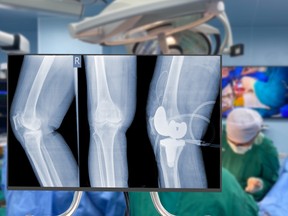
Medical tourism in the West is considered a luxury: you travel to a place with top-of-the-line doctors who can be seen faster than you’d ever expect at home, undertake a battery of tests more thorough than what’s generally done at home, and receive an assessment more all-encompassing than, again, would be expected at home.

THIS CONTENT IS RESERVED FOR SUBSCRIBERS
Enjoy the latest local, national and international news.
- Exclusive articles by Conrad Black, Barbara Kay and others. Plus, special edition NP Platformed and First Reading newsletters and virtual events.
- Unlimited online access to National Post.
- National Post ePaper, an electronic replica of the print edition to view on any device, share and comment on.
- Daily puzzles including the New York Times Crossword.
- Support local journalism.
SUBSCRIBE FOR MORE ARTICLES
Enjoy the latest local, national and international news.
- Exclusive articles by Conrad Black, Barbara Kay and others. Plus, special edition NP Platformed and First Reading newsletters and virtual events.
- Unlimited online access to National Post.
- National Post ePaper, an electronic replica of the print edition to view on any device, share and comment on.
- Daily puzzles including the New York Times Crossword.
- Support local journalism.
REGISTER / SIGN IN TO UNLOCK MORE ARTICLES
Create an account or sign in to continue with your reading experience.
- Access articles from across Canada with one account.
- Share your thoughts and join the conversation in the comments.
- Enjoy additional articles per month.
- Get email updates from your favourite authors.
THIS ARTICLE IS FREE TO READ REGISTER TO UNLOCK.
Create an account or sign in to continue with your reading experience.
- Access articles from across Canada with one account
- Share your thoughts and join the conversation in the comments
- Enjoy additional articles per month
- Get email updates from your favourite authors
Sign In or Create an Account
or
Article content
The developing world’s equivalent? Simply travel to Canada and claim asylum. Up until last Friday, a free, all-inclusive health-care package was given to anyone who filled out a refugee-status request to hold them over in the years it took to process their claim. In many cases, if they were denied, they were still covered. This included not just free doctor visits, but also free eye and dental care, free physio- and psychotherapy, free mobility aids and free prescriptions. Canadian citizens don’t get this luxury.
Article content
Article content
Article content
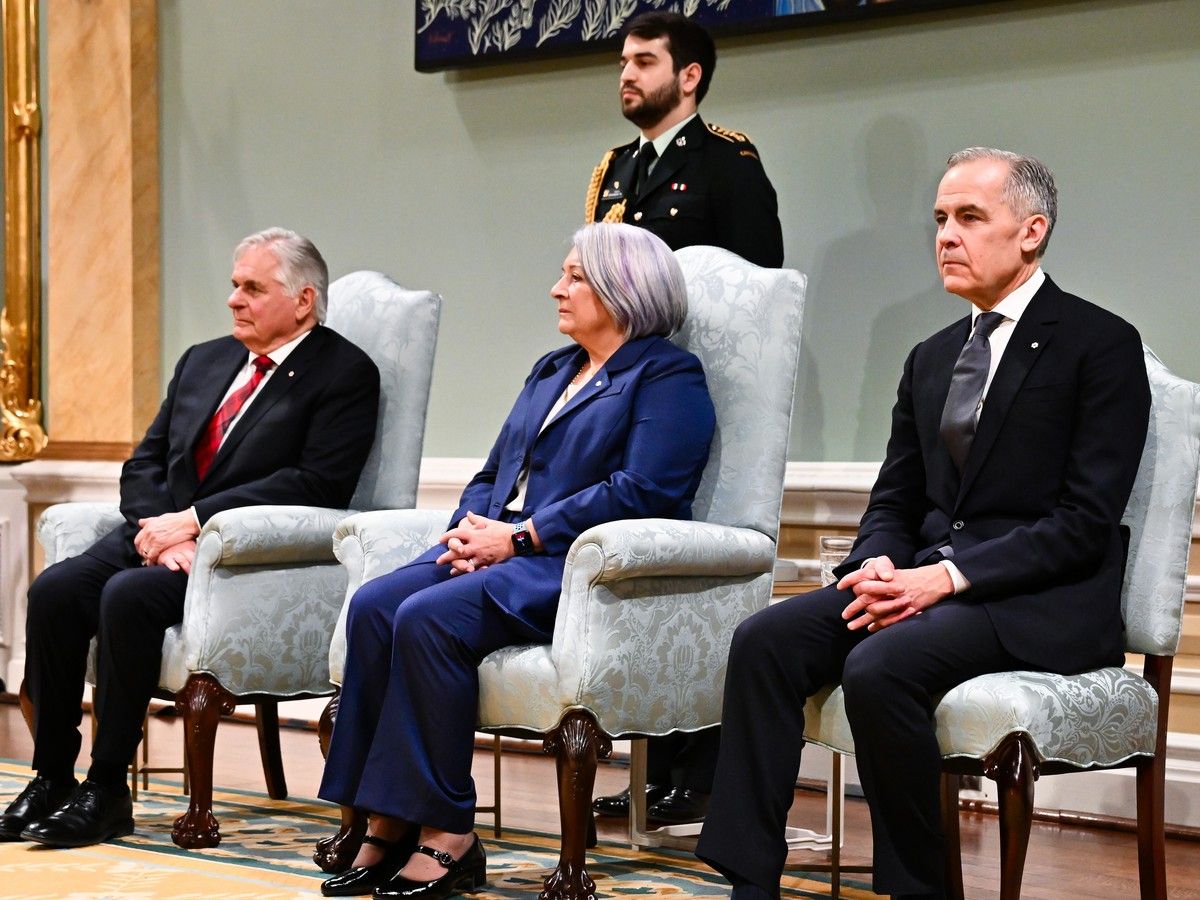
You can already see that the most irksome, eye-poking, temple-rub-inducing word there is “free.” So, last fall, the Carney government announced its elegant solution to this optics problem: add some minor costs to the program — a tip for our troubles, essentially — to expel the “free” label that was so disastrous to public opinion. It took effect on May 1.
Article content
By signing up you consent to receive the above newsletter from Postmedia Network Inc.
Article content
Canadians had been starting to catch on that they were paying for it all: it came out in these pages, in the House of Commons, and then, in February, the Parliamentary Budget Officer assessed that the program would soon cross the $1 billion per year mark.
Article content
The new changes to distract from that part mean that, instead of all health-related services being completely free, some of the more objectionable offerings require the asylum claimant to cover 30 per cent of the cost. This includes eye exams, new glasses, dental care, counselling, physiotherapy and home care. Prescriptions also have a $4 co-pay. Asylum seekers still get free emergency room visits, doctor visits, hospital stays, surgery, vaccinations, birthing care, scans, tests and X-rays.
Article content
Article content
So, we’re still offering medical tourism to the developing world, just at a price higher than $0.
Article content
Unfortunately, the new price tags were not reflected in the recent Parliamentary Budget Officer report assessing the growing costs of the program. But that study did show a clear pattern had emerged over the past few years: the number of asylum claimants benefiting from this program multiplied by seven from 2016 to 2024, and their average per-person cost tripled in that same time. How much the Carney changes will eat into that, it’s hard to say. At the rate we were going, however, the program was expected to cost $1.5 billion in 2029.
Article content
There have also been cases of fraud: in March, for example, one therapist admitted to farming the work of counselling asylum seekers out to interns and double-billing for the work. She was suspended and had to pay a measly $4,700. That’s just one case, but you really have to wonder how much of it is going on.
Article content
Remember where the increases in claims come from: students from India claiming to be refugees when their study permits run out; gay- and bisexual-identifying people from Nigeria (some of whom mysteriously have wives and children) alleginga need to flee persecution; former gang members from Mexico and Latin America fleeing their past; European residents coming to Canada under the weak justification that their own police can’t keep them safe.




















/https%3A%2F%2Fsportsmole-media-prod.s3.gra.io.cloud.ovh.net%2Fuploads%2F2026%2F02%2Fimago1072832028-1-1-6996d086195c8904803070.jpg)

 Bengali (BD) ·
  English (US) ·