.png)
 10 hours ago
11
10 hours ago
11
Opinions expressed by Entrepreneur contributors are their own.
Imagine if baseball fans in 1947 could DM Jackie Robinson, leave hate comments on his Instagram or find and harass his family online.
Social media has opened up opportunities for athletes that once sounded impossible, but with those opportunities comes a level of access that not everyone is comfortable with. This is a two-way street.
Fans can interact with their favorite players, but to experience a game, they have to sift through dozens of platforms and accounts, many of which are already oversaturated with non-sports content. Where most people saw a problem, BZZR founder Jeff Bookout and CEO Brett Weitz recognized an opportunity. BZZR positions itself as a sports-only social media platform that gives verified athletes, creators, broadcasters and sports personalities tools to own their audience, content and revenue streams.
“Jeff wanted to build something that took all of that work away and created a single destination where consumers can come for everything they need, while giving brands a more focused and valuable place to exist,” says Weitz, formerly Global Head of Content, Talent and Brand Sales at X.
“A sports-only platform can offer a more premium experience and a healthier environment for fans, athletes and creators. If you’re a field goal kicker and you miss a kick, you should be able to talk about it online without waking up to death threats the next day,” he says.
A noise-canceling network
The impetus for BZZR was a conversation between Bookout and an unnamed “major league athlete” who told him he avoided social media because of its toxicity.
“Now, you lose the connection between teams and fans, players and fans, and fans and the broader community,” Weitz explains.
To address that problem, BZZR gives athletes and creators more control over their online presence. Users can enable comments, hide them entirely, or make them visible only to themselves.
“It gives them complete functionality and control over their entire ecosystem,” Weitz says. “You’ve got these people who entertain us at an exceptional level every day and every night, and then on other platforms, people spend the next three hours destroying them and tearing them down. That doesn’t seem like the right experience for the future, so building BZZR as a place where that doesn’t exist felt like the right answer.”
Bookout also approached the platform from a business perspective. He points to the Texas Rangers signing Jacob deGrom as an example. Teams issue press releases, media outlets cover them for days, and advertisers monetize the resulting attention. The teams themselves, however, see little of that value.
“Teams had this epiphany where they realized they don’t own their fanbases,” Bookout says.
The technology underpinning BZZR’s solution is Sports Graph, the company’s proprietary AI-powered recommendation and search engine.
Most sports content today is fragmented across platforms. Fans looking for information about their favorite team might bounce between X, YouTube, Spotify, ESPN, team websites, and podcasts. Sports Graph is designed to ingest that content, connect it via sports-specific metadata, and surface it in a single personalized experience.
According to Weitz, the AI has already indexed more than 145,000 podcasts and 30,000 long-form videos. As new content enters the system, Sports Graph automatically categorizes and connects it, enabling BZZR to build highly personalized feeds tailored to a fan’s interests.
The technology also powers conversational search. Rather than searching for a specific article or podcast, users can ask questions like “Who’s been talking about Joe Schmo this week?” or “What are the latest trade rumors?” and receive relevant content from across the platform.
“It’s basically Google for sports,” Weitz says.
The digital arena
The system is designed to benefit creators as much as fans. Social platforms often require creators to constantly adapt to changing algorithms to remain visible. Sports Graph instead analyzes content and surfaces it directly to fans who have already demonstrated interest in those teams, players, or topics.
In theory, that means a team-specific podcast from an unknown creator could still reach the right audience if the content is relevant.
“It’s giving you a hyper-personalized fan feed,” Bookout says. “The biggest emphasis is on what you’re actually a fan of. At the same time, it creates hyper-discoverability for creators.”
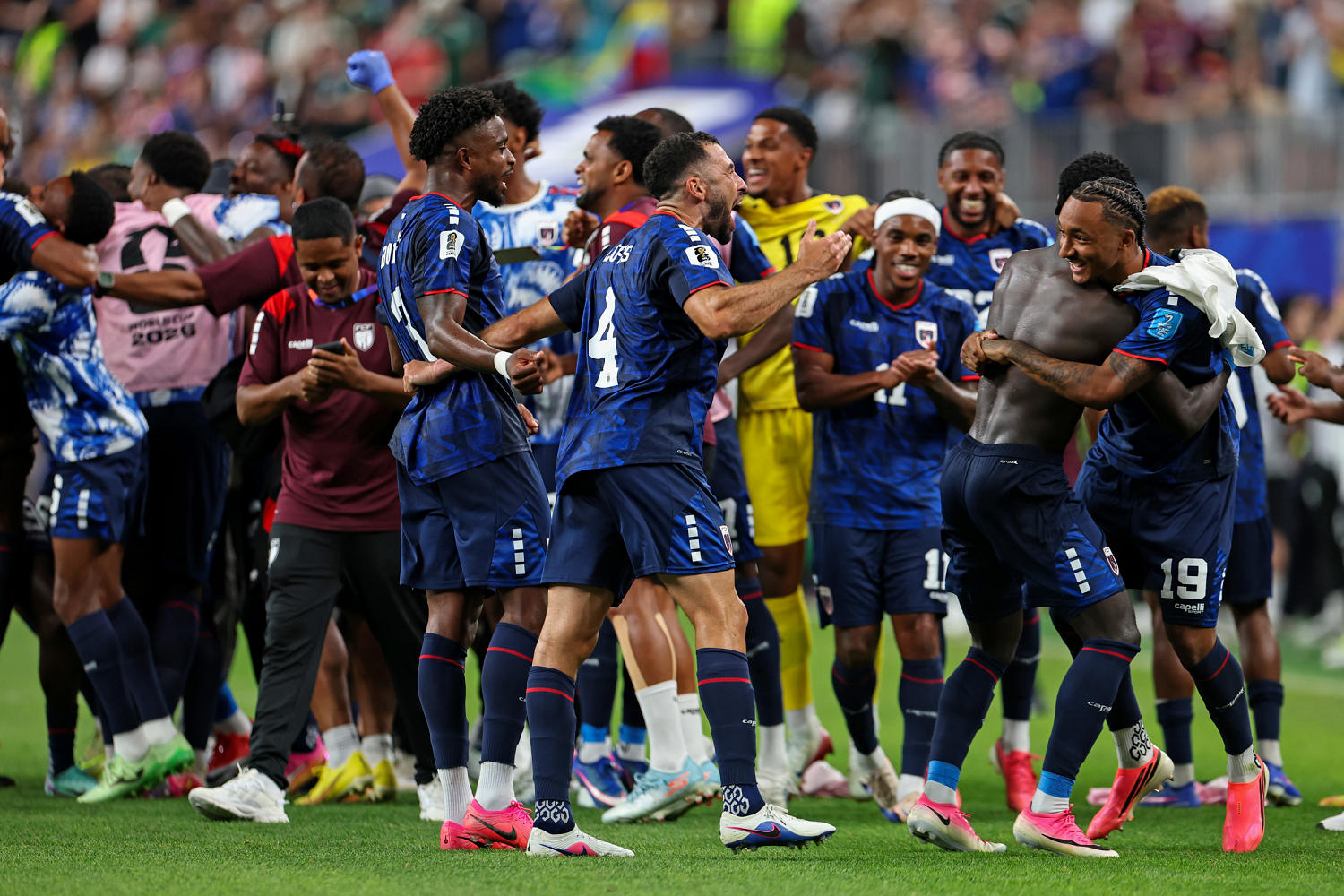
That, of course, begs the question: what qualifies as noise? Do World Cup fans’ raucous celebrations count as sports content? What about an NFL player’s cooking show? The short answer is yes. Everything in the sports ecosystem counts as content. “LeBron James could definitely have a show about his love of wine on here,” jokes Bookout.
To Weitz, “noise” refers to the bots and trolls who exist solely to harass other people online.”I used to say about my old job that it was the largest stadium in the world, but also the place with the most diluted conversation, because there was so much other stuff competing for attention,” Wetiz admits. He believes that sports fans, like sports creators, crave a safe space to indulge their passion online without being bombarded by grim political news or hateful bots.
“You don’t need the other stuff to be relevant; go somewhere else for that,” Weitz says. “And I say that about our creators as well. Here’s where you post about sports. If you want to talk about, you know, running for president. This is not the place to do that.”
Like many others, Bookout recognizes that the true value of sports isn’t the entertainment; it’s the community.
“Going to a Texas Rangers game is one of the few places where I go with friends, and we just talk about good times, life and sports,” he says. “The politics usually stay out of it.” He wants to create that same in-arena atmosphere online, giving consumers a one-stop shop for all the sports content they could ask for.
An “always-on” experience
Unlike traditional streaming services, which primarily exist to deliver live games, BZZR operates on an “always-on” model of fandom. The platform combines live streams with social content, podcasts, athlete and creator content, and dedicated team hubs designed to keep fans engaged year-round. Weitz says that approach helps teams solve a longstanding challenge in sports: maintaining fan engagement between games and throughout the offseason.
“Our belief is that teams will realize no one has really done this for them before,” Weitz says. “Traditionally, fans come for the game and leave when it’s over. Everything in between is often fragmented across different platforms.”
By creating a centralized destination for everything from live broadcasts to postgame discussion, BZZR hopes to become a daily touchpoint for fans while giving teams a deeper, more direct relationship with their audiences.
Another area where BZZR is taking a different approach than many sports media companies is gambling. While Weitz says he’s happy to allow sportsbooks to advertise on the platform, he doesn’t currently plan to integrate gambling directly into the user experience.
“It’s the new vice for a generation, and I don’t think Jeff and I want to contribute to that at this moment in time,” says Weitz. “Still, we want to allow those brands to be here because they’re an integral part of the sports conversation.”
The end goal for BZZR is to become a true digital arena: a centralized destination where fans can engage with athletes, teams and creators without navigating a maze of platforms or wading through an overwhelming chorus of bots and bullies. For Weitz, the company’s mission can be summed up in a single line: “Stop wondering what you missed and start being the source of the story.”
























/https%3A%2F%2Fsportsmole-media-prod.s3.gra.io.cloud.ovh.net%2Fuploads%2F2026%2F05%2Fscheffler-6a034d9fca412032057779.jpg)
/https%3A%2F%2Fsportsmole-media-prod.s3.gra.io.cloud.ovh.net%2Fuploads%2F2026%2F06%2Ficonsport-111147-0089-1-6a27d006a81d1227497324.jpg)
/https%3A%2F%2Fsportsmole-media-prod.s3.gra.io.cloud.ovh.net%2Fuploads%2F2026%2F06%2Fimago-xinhua-nestory-irankunda-celebrates-scoring-for-australia-in-the-world-cup-on-june-14-2026-6a2f348854d1b663111439.jpg)
 Bengali (BD) ·
  English (US) ·