.png)
 2 hours ago
21
2 hours ago
21
Walk down the hair care aisle or scroll your For You page and you’ll find no shortage of products promising shinier, stronger, faster-growing hair — many of them oils. At the same time, there are a ton of oils on the market made specifically for your scalp. And here is where things get tricky — though people may use the terms interchangeably, these two product types are not the same.
In fact, if you use hair oil on your scalp (or vice versa), you may be setting yourself up for a major beauty failure. To better understand the difference between hair and scalp oils, I spoke with hairstylists and trichologists Below, they explain exactly what each product does, how to use them and even recommend some of their favorite options.

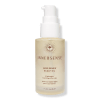
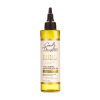 Best combination oil$11.94$13.99
What is the difference between hair oil and scalp oil?
The fact that hair and scalp oils are used on separate areas isn’t the only difference in these two products — they do different things and have different consistencies.
“Hair oils can seal in moisture, add shine, reduce frizz and protect against environmental damage,” says Shanelle Harris-Burke, a certified trichologist and the founder of The Hair Bawse Salon in Des Moines, Iowa. “These oils tend to be on the heavier side and coat the hair strand.” Scalp oils, on the flip side, are for your skin, not your hair. “They can help reduce inflammation, balance sebum production and support circulation,” says Harris-Burke.
Though these oils are used in close proximity to one another, one should not be substituted for the other. “Applying heavy hair oils on your scalp can clog the follicles, disrupt the scalp’s natural microbiome and create buildup that hinders hair growth,” says Harris-Burke. “On the flip side, with scalp oils being so lightweight, they typically won’t seal in moisture or reduce frizz on the hair strand.”
The best hair oils of 2026
To come up with this list of hair and scalp oils, I asked hair experts for their recommendations. They also shared how they use the specific products for maximum effectiveness.
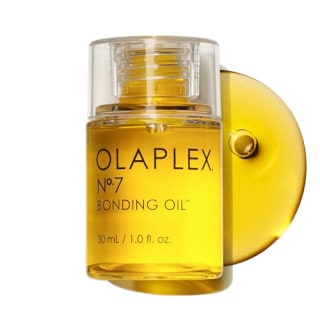
A highly concentrated, weightless styling oil, this formula contains a coconut-derived emollient, vitamin E and sunflower seed oil to boost shine and softness. “I find it to be excellent for protecting the integrity of your hair,” says Harris-Burke. “This is particularly important for those who use heat to style their hair or who have color-treated hair.”
“I use this hair oil to reduce frizz and add shine,” says Dallas-based hairstylist Juan Flores. “I like that it does those things without making hair feel greasy.”
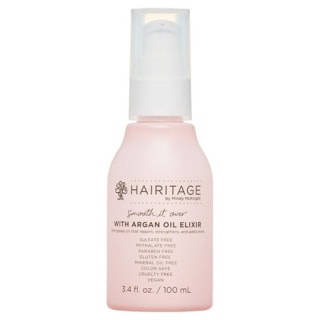
This lightweight Hairitage hair oil blends organic argan and avocado oils with vitamins A, E, and D to repair, strengthen, and smooth dry, damaged hair, according to the brand. Non-greasy and suitable for all hair types—especially curly and wavy—it tames flyaways, boosts shine, and leaves a soft, silky finish without weighing down the hair.
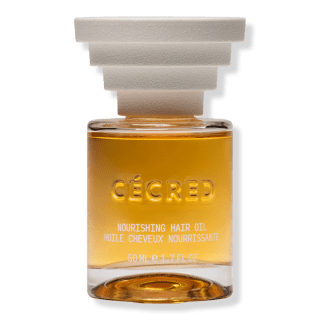
This formula blends 13 nourishing oils, including baobab, moringa, black seed, and sea buckthorn, with a bioactive keratin ferment to reinforce hair’s lipid barrier (the natural fats that coat/protect the hair shaft) and reduce breakage. Silicone-free and lightweight, it seals in moisture, adds natural shine, and leaves hair soft, flexible, and subtly fragranced. It’s also safe for wigs and weaves according to the brand.
“This is a newer favorite,” says Harris-Burke. “It’s lightweight, easily absorbed into the strand and works across all hair textures.”
The best scalp oils of 2026
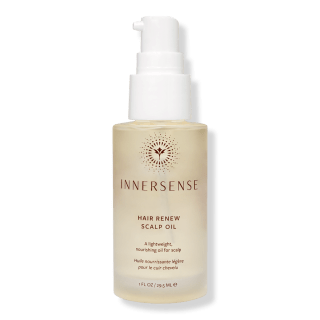
“I like this oil for someone who has a relatively normal scalp but may be dealing with some dryness.” says Christine McMillan, a board-certified trichologist and owner of Scalp Garden, a clinic in Buford, Georgia that provides hair loss treatments. “It is nourishing without feeling greasy.”
The oil is made with organic sesame and sunflower seed oils to deliver omega fatty acids that repair the scalp’s moisture barrier and calm dryness-related itching. It also contains pomegranate seed oil for a boost of antioxidants that encourage overall scalp health, according to the brand.
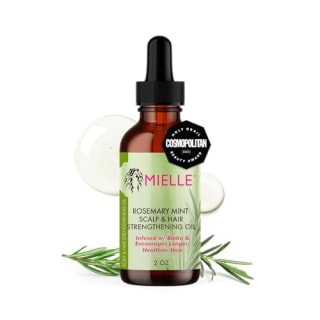
A nutrient-rich formula infused with biotin (for strength and elasticity) and essential oils like rosemary, mint, and jojoba (for soothing and moisture), this scalp treatment nourishes hair follicles and addresses dryness. It can also be used on your hair to smooth split ends and add shine. This oil, which Harris-Burke recommends, is safe for chemically treated hair and protective styles like braids and weaves, according to the brand.
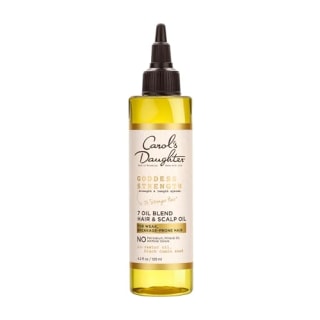
Recommended by multiple experts I spoke with, this option from Carol’s Daughter combines seven different oils — castor, black cumin seed, sunflower seed, jojoba, olive, coconut, and soybean — to nourish and moisturize the scalp This oil can also be used on hair, taming frizz and adding shine. It is most suitable for those with wavy, coily, and curly hair, including 4C hair, according to the brand.
NBC Selected senior editor Shalwah Evans has a pared down hair care routine and she’s a big fan of this scalp oil. “In the summer I keep my head pretty bald and I use this oil after every wash to keep my scalp from feeling and looking dry,” she says. “Just a couple of drops is enough, so a bottle lasts me a long time. I also like that when my low porosity hair grows out a little, it’s not too greasy and heavy on it.”
Related

Want more from NBC Select? Sign up for our newsletter, The Selection, and shop smarter.
How I picked the best hair and scalp oils
All of the hair and scalp oils included above come directly recommended by hair and scalp experts. When shopping for these types of products, they recommend prioritizing the following:
- Ingredients: For hair oil, Harris-Burke recommends argan oil because it is lightweight and adds shine, castor oil because it is thickening and avocado oil because it helps with moisture retention. If you are looking for scalp oil, she suggests jojoba oil because it is closest to the natural oils we produce, rosemary oil because she has seen it help with hair growth for some people and peppermint oil because it increases blood flow to the area.
- Consistency: Pay attention to the consistency of whatever you choose. Scalp oil should be thinner so that it doesn’t gunk up your follicles and cause breakouts, while hair oil can be a bit thicker to seal hair shafts, add shine and tame frizz.
- Price: These types of oils tend to come in small bottles and many people use them on a daily basis. Because of this, you’ll want to keep price in mind. If you plan to use your oil frequently, you may want to go for a lower-priced product. If it will be more of an occasional-use product for you, you may be okay with splurging a bit more.
Frequently asked questions
Hair and scalp oil is not for everyone. “Those with very oily or sensitive scalps should avoid overusing oils, since too much product can lead to buildup,” says hairstylist Flores. As for hair oil, if you have fine hair, proceed with caution — heavy oils can weigh it down and make it look greasy.
If your hair lacks shine or you deal with a lot of frizz or flyaways, you’re likely a good candidate for hair oil. Identifying if you could use scalp oil is a little trickier.
“One of the biggest myths is that every flaky or itchy scalp is dry and needs more oil,” says McMillan. “Sometimes the scalp is actually inflamed, congested, overexfoliated or dealing with buildup — dumping heavy oil on top of it is kind of like putting a weighted blanket on a sunburn.”
That said, scalp itchiness or tightness could be a sign that you could benefit from this type of product. You can try a little oil, and if the itchiness goes away, you’re likely dealing with dryness. You may also want to go see a hairstylist or dermatologist who can help guide you.
Meet our hair and scalp experts
At NBC Select, we work with experts with specialized knowledge and authority based on relevant training and/or experience. We also ensure all expert advice and recommendations are made independently and without undisclosed financial conflicts of interest.
- Shanelle Harris-Burke is a certified trichologist and the founder of The Hair Bawse Salon in Des Moines, Iowa.
- Juan Flores is a hairstylist in Dallas, Texas.
- Christine McMillan is a board-certified trichologist and owner of Scalp Garden, a clinic in Buford, Georgia that provides hair loss treatments.
Why trust NBC Select?
I am a commerce editor at NBC Select and a journalist who regularly covers wellness, beauty, home and lifestyle. I have written about whether or not makeup wipes are bad for your skin, press-on nails and more. For this story, I spoke with three experts on the differences between hair oil and scalp oil.
Catch up on Select’s in-depth coverage of tech and tools, wellness and more, and follow us on Facebook, Instagram, Twitter and TikTok to stay up to date.






























/https%3A%2F%2Fsportsmole-media-prod.s3.gra.io.cloud.ovh.net%2Fuploads%2F2026%2F07%2Fdaniel-mcgregor-huyer-zuma-press-wire-luciano-gonzalez-anadolu-abacapress-com-estadio-azteca-harry-kane-jude-bellingham-composite-6a49eb8857b70695441164.png)
 Bengali (BD) ·
  English (US) ·