.png)
 2 days ago
15
2 days ago
15
The Honda fiasco is the perfect symbol for the EV disaster
Get the latest from Lorrie Goldstein straight to your inbox
Published May 06, 2026 • Last updated 1 hour ago • 3 minute read

Attempts by the federal and provincial governments to create an electric vehicle supply chain in Canada through massive taxpayer-financed public subsidies have turned into a disaster.
Advertisement 2

THIS CONTENT IS RESERVED FOR SUBSCRIBERS ONLY
Subscribe now to read the latest news in your city and across Canada.
- Unlimited online access to articles from across Canada with one account.
- Get exclusive access to the Toronto Sun ePaper, an electronic replica of the print edition that you can share, download and comment on.
- Enjoy insights and behind-the-scenes analysis from our award-winning journalists.
- Support local journalists and the next generation of journalists.
- Daily puzzles including the New York Times Crossword.
SUBSCRIBE TO UNLOCK MORE ARTICLES
Subscribe now to read the latest news in your city and across Canada.
- Unlimited online access to articles from across Canada with one account.
- Get exclusive access to the Toronto Sun ePaper, an electronic replica of the print edition that you can share, download and comment on.
- Enjoy insights and behind-the-scenes analysis from our award-winning journalists.
- Support local journalists and the next generation of journalists.
- Daily puzzles including the New York Times Crossword.
REGISTER / SIGN IN TO UNLOCK MORE ARTICLES
Create an account or sign in to continue with your reading experience.
- Access articles from across Canada with one account.
- Share your thoughts and join the conversation in the comments.
- Enjoy additional articles per month.
- Get email updates from your favourite authors.
THIS ARTICLE IS FREE TO READ REGISTER TO UNLOCK.
Create an account or sign in to continue with your reading experience.
- Access articles from across Canada with one account
- Share your thoughts and join the conversation in the comments
- Enjoy additional articles per month
- Get email updates from your favourite authors
Article content
The latest example comes from a report by Nikkei Asia — a major English-language news outlet in Tokyo — that Honda has decided to kill its planned $15-billion EV plant in Alliston, Ont., announced in 2024, to which the federal and provincial governments planned to contribute $5 billion, at $2.5 billion apiece.
Article content
Recommended Videos
Article content
The report is hardly a surprise since the project was already on life support.
Honda announced last year it was delaying a decision on the future of the plant for two years — so this may just be the final nail in the coffin for a project that was massively hyped by the federal and Ontario governments when it was announced on April 25, 2024.
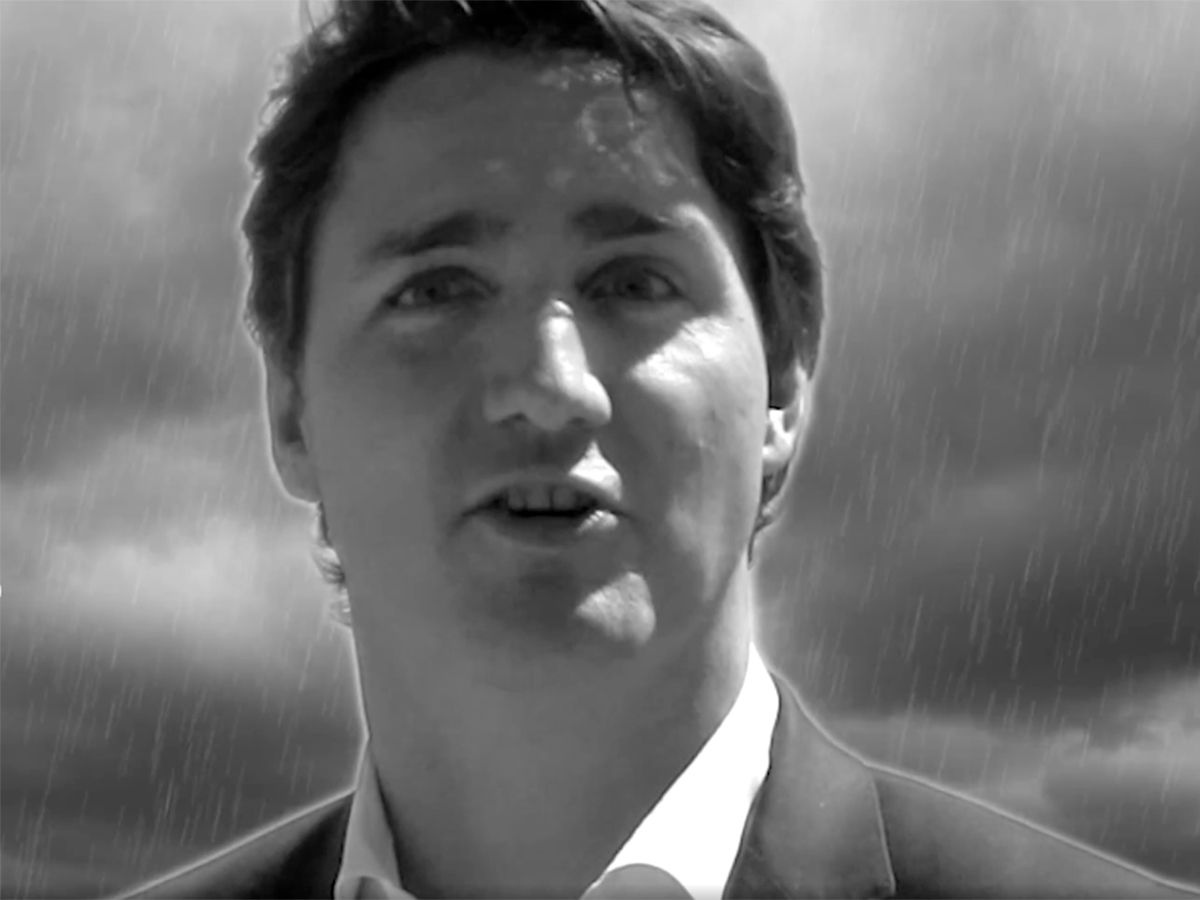
Two days later, then prime minister Justin Trudeau posted a video touting the deal on X, titled “We bet big on electric vehicles. Now that industry is betting on us” featuring himself, declaring he was “standing in the middle of what will be Canada’s first full electric vehicle supply chain.”
Not any more, apparently.
By signing up you consent to receive the above newsletter from Postmedia Network Inc.
Article content
Advertisement 3
Article content
The Honda fiasco is the perfect symbol for what has happened to the plan by the federal, Ontario and Quebec governments to earmark, according to a June 2024 report by the parliamentary budget office, $52.5 billion in public subsidies meant to trigger $46.1 billion in private sector investments in 13 major EV projects announced from October 2020 to April 2024.
At the time, the PBO disputed reports by the federal government that it was poised to get back all of its investments on some projects in five years, estimating it would actually take two decades.
Canadian economist Jack Mintz estimated that in some of these projects, the cost to taxpayers would be about $4 million per job created.
Today — with slumping EV sales in Canada and the U.S. — this government subsidy strategy lies in ruins, with many of the EV projects cancelled, delayed, relocated to the U.S., or in bankruptcy.
Taxpayers won’t be on the hook for all of the $52.5 billion in pubic subsides because many were based on the actual production of EVs and batteries, that now won’t happen.
Advertisement 4
Article content
But taxpayers are on the hook for an additional amount of almost $9 billion — so far — that federal and provincial governments across the country have spent, or committed to spend, giving direct subsidies to buyers of EV vehicles.
The reason is that EVs are more expensive than comparable gas-powered cars and have relatively limited range, particularly in cold weather.
That, plus a national shortage of charging stations, means government subsidies are needed to convince many drivers to buy them.
The current federal subsidy is up to $5,000 for a fully electric vehicle and up to $2,500 for plug-in hybrids costing up to $50,000, from countries that have free trade agreements with Canada.
There is no price limit on the cost of the vehicle to qualify for the subsidies if it is Canadian made.
Canadian government policies of subsidizing the production and sale of EVs are in trouble because the Trudeau government created them to compete with similar subsides offered by the administration of former U.S. president Joe Biden.
Since Donald Trump because president he has killed most of those subsidies, and used his trade and tariff policies to pressure auto manufacturers to relocate production to the United States.
Read More
-

GOLDSTEIN: China – our 'strategic partner' and greatest security threat
-

GOLDSTEIN: Mark Carney and the magical, mystery decreasing deficit


Article content


























 Bengali (BD) ·
  English (US) ·