.png)
 5 hours ago
11
Article content
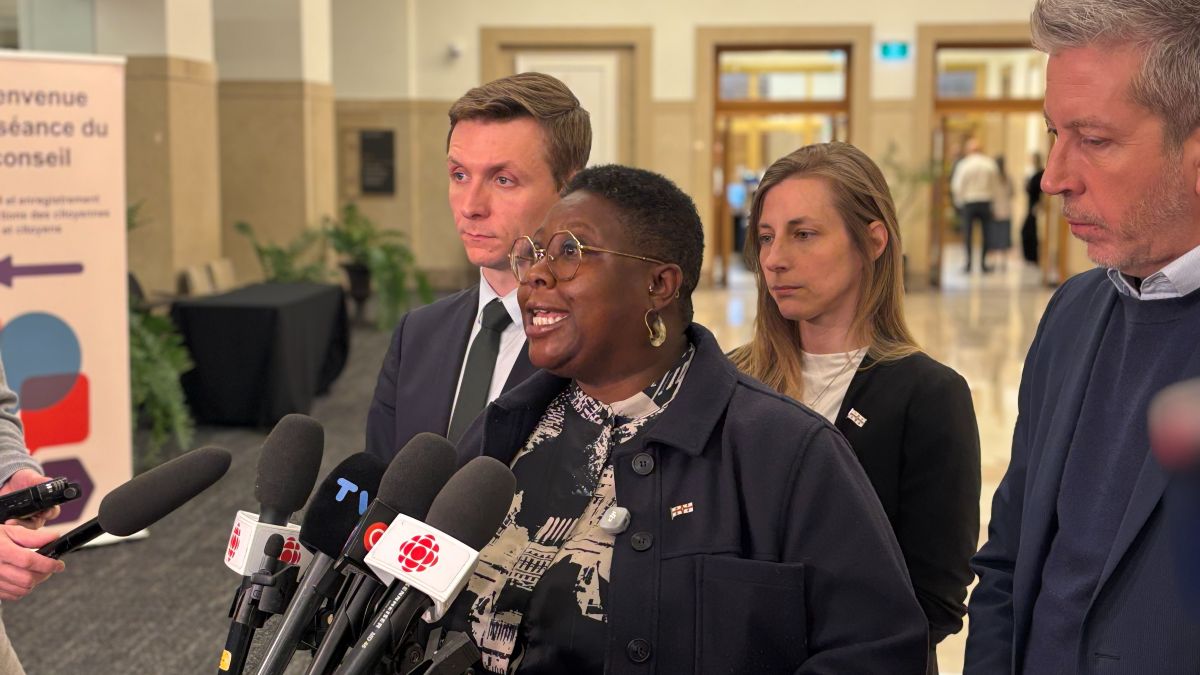
“At a time when municipalities are facing increasing challenges in protecting their built heritage, removing a committee dedicated to this work seems counterintuitive,” King said. “As Ottawa marks the 200th anniversary of the founding of Bytown, this is also the wrong moment to step back from our commitment to built heritage. Our heritage deserves a committee whose unitary focus is heritage.”
Article content
The citizen advocacy Ottawa Public Engagement Group (OPEG) penned a letter to council on Nov. 23 offering a “simpler way” to remove the duplication while retaining the built heritage committee.
Article content
Instead of eliminating the committee, OPEG convenor Jake Morrison suggested giving it the authority to pass standalone heritage proposals directly to council.
Article content
Heritage applications that have an associated application under the planning act would go to the planning and housing committee or the rural affairs committee to consider those planning elements, while the built heritage committee would retain authority over the heritage elements of each application.
Article content
Both reports would then rise to council together for a final vote.
Article content
Advertisement 3
Article content
“Residents don’t want less expertise on heritage. They need one clear hearing before people who understand the issues,” Morrison said. “Give the built heritage committee authority to send heritage matters directly to council, and the duplication disappears while the expertise stays.”
Article content
In the last council term, the committee was comprised of five councillors — four from downtown wards and one from a rural ward — alongside four civilian heritage conservation experts. They included former city councillor Brian Bourns, conservation architect Christine Legault, building conservation specialist James Maddigan and Heritage Ottawa conservation adviser Carolyn Quinn.
Article content
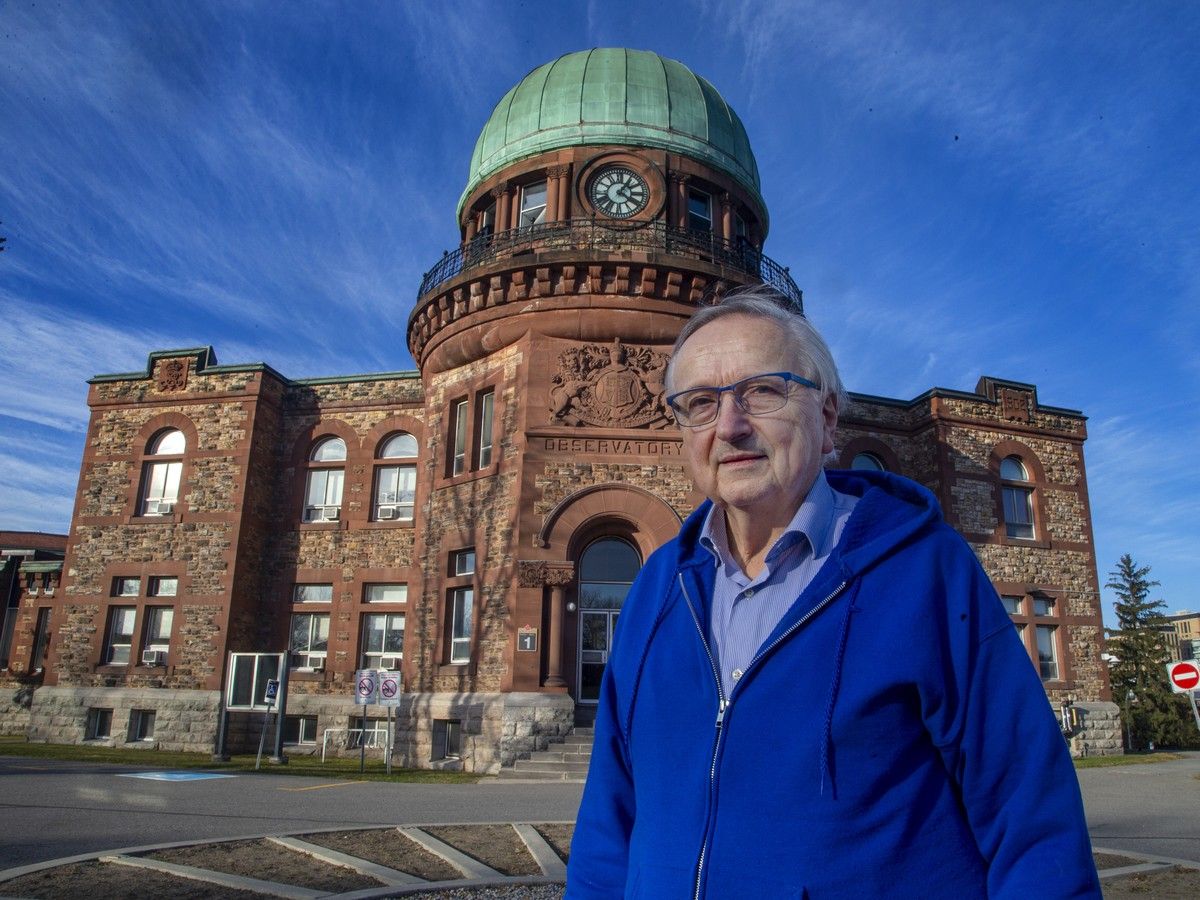
“The citizen members of the present committee have some pretty solid qualifications in heritage, in architecture, in development issues that relate to heritage,” said David Jeanes, a former Heritage Ottawa president who now sits on the board of directors. “The city is benefiting from their free advice as committee members.”
Article content
Removing the committee from the evaluation process would relegate input from experts and concerned groups like Heritage Ottawa, Jeanes said, to five-minute delegations before two separate committees with other pressing priorities on the agenda.
Article content
Advertisement 4
Article content
King said the experts on the built heritage advisory panel “provide excellent expertise that we do not want to lose.”
Article content
The planning and housing committee and the rural affairs committee are both comprised of councillors only “and their mandates centre on growth and housing supply,” King said. Uploading the heritage file to those committees would not solve the issue of duplication, King said, and would instead add “a large, distinct workload to committees that are already stretched.”
Article content
Folding the mandate of the built heritage committee into two other already-busy committees, Morrison said, would “add to the burden of the very committees where members themselves flagged capacity and mandate problems.”
Article content
Morrison acknowledged some duplication of efforts exists under the current scheme, as heritage matters with an associated planning act application are considered jointly by the built heritage committee, then by planning and housing or rural affairs before rising to council.
Article content
“Both stages hear public delegations, and some councillors have seen this as wasted time,” Morrison said.

























 Bengali (BD) ·
 English (US) ·