.png)
 4 days ago
19
4 days ago
19
The prime minister Mark Carney has redefined what the deficit is by splitting it into two parts.
Published Sep 22, 2026 • Last updated 50 minutes ago • 2 minute read
See more Toronto Sun on Google — save as a Preferred Source
Advertisement 2

THIS CONTENT IS RESERVED FOR SUBSCRIBERS ONLY
Subscribe now to read the latest news in your city and across Canada.
- Unlimited online access to articles from across Canada with one account.
- Get exclusive access to the Toronto Sun ePaper, an electronic replica of the print edition that you can share, download and comment on.
- Enjoy insights and behind-the-scenes analysis from our award-winning journalists.
- Support local journalists and the next generation of journalists.
- Daily puzzles including the New York Times Crossword.
SUBSCRIBE TO UNLOCK MORE ARTICLES
Subscribe now to read the latest news in your city and across Canada.
- Unlimited online access to articles from across Canada with one account.
- Get exclusive access to the Toronto Sun ePaper, an electronic replica of the print edition that you can share, download and comment on.
- Enjoy insights and behind-the-scenes analysis from our award-winning journalists.
- Support local journalists and the next generation of journalists.
- Daily puzzles including the New York Times Crossword.
REGISTER / SIGN IN TO UNLOCK MORE ARTICLES
Create an account or sign in to continue with your reading experience.
- Access articles from across Canada with one account.
- Share your thoughts and join the conversation in the comments.
- Enjoy additional articles per month.
- Get email updates from your favourite authors.
THIS ARTICLE IS FREE TO READ REGISTER TO UNLOCK.
Create an account or sign in to continue with your reading experience.
- Access articles from across Canada with one account
- Share your thoughts and join the conversation in the comments
- Enjoy additional articles per month
- Get email updates from your favourite authors
Article content
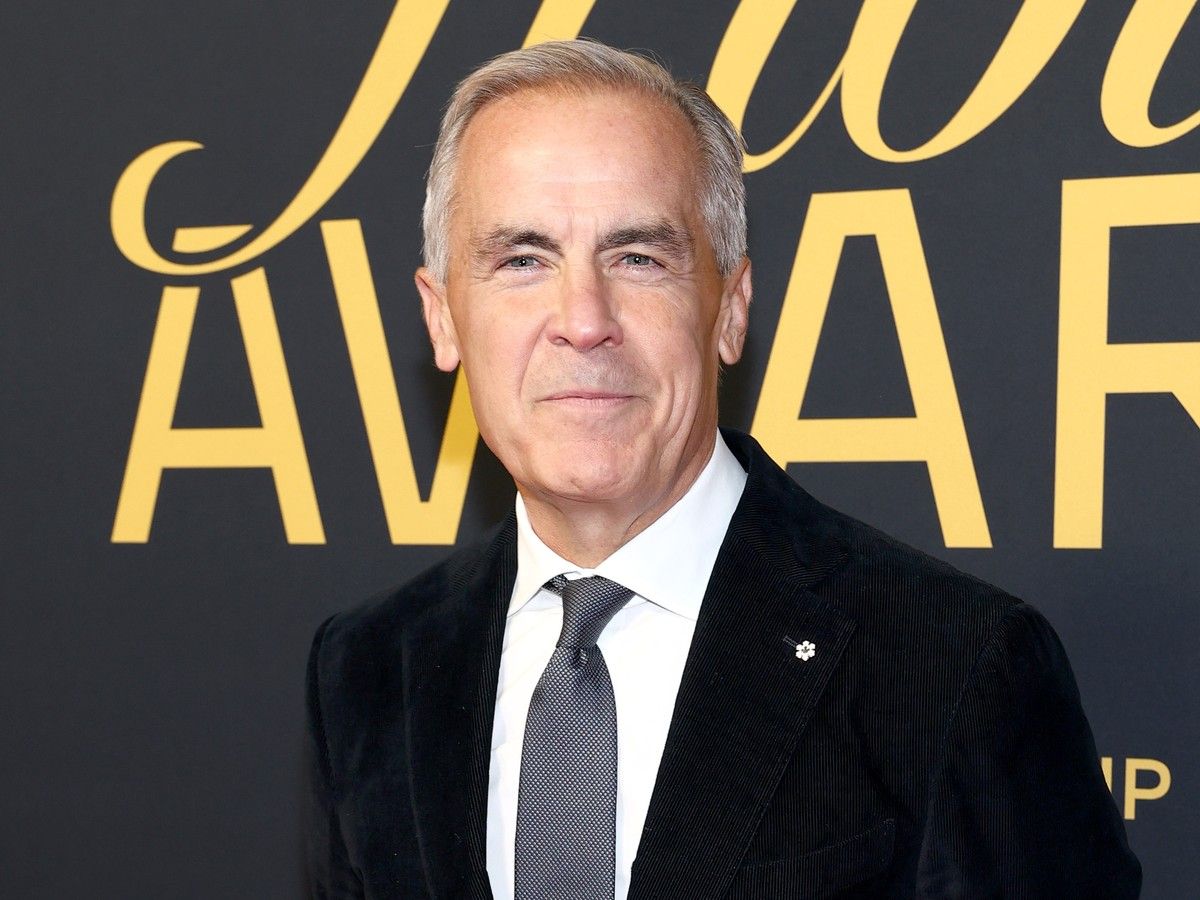
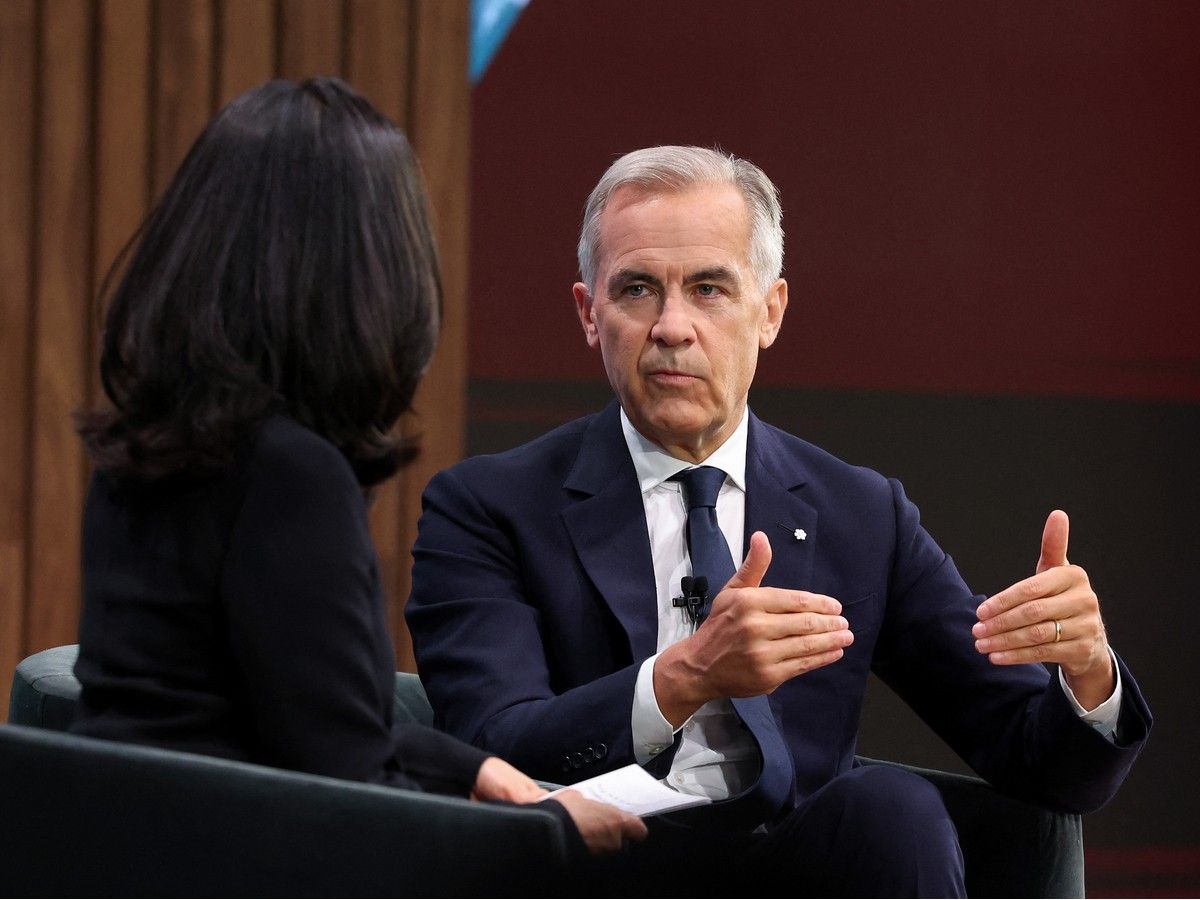
Prime Minister Mark Carney, during his recent investment summit, announced the federal government will balance its operating budget a year early — in 2027 versus his previous commitment of 2028.
Article content
Recommended Videos
Article content
The problem is that he has redefined what the deficit is by splitting it into two parts.
One part, under Carney’s new math, is operational spending — the day-to-day cost of running the federal government.
The other, previously included in calculating the deficit, is capital spending on infrastructure financed by public debt, paid by taxpayers, ostensibly intended to increase economic growth.
On that issue, Carney has reclassified what are traditionally viewed as operational costs — for example, corporate income tax cuts, investment tax credits and operating subsidies to companies — as capital spending and assumed all government capital spending results in economic growth.
When the parliamentary budget office reviewed Carney’s first budget delivered last November, it reported “the government’s definition of capital investments is overly expansive” compared to international public accounting standards and practices.
Advertisement 3
Article content
It said $94 billion, or 30% of the spending the Carney government classified as capital investments, was actually operating costs of running the government, and if properly accounted for, would leave “the day-to-day operating balance … in a deficit position.”
University of Calgary economist Trevor Tombe, writing in The Hub, said Carney’s use of “financial sleight of hand will not actually balance the budget” noting that “Conservative Leader Pierre Poilievre dismissed Carney’s proposal as ‘cooking the books’ and history justifies the skepticism.”
He added that when the Alberta government tried the same thing a decade ago, it ended in “a budgeting disaster that obscured the province’s true financial position and weakened public accountability” before it was abandoned.
In the real world, assuming that all capital spending, financed by public debt, will automatically boost the economy is unrealistic.
It can easily do the reverse, depending on the quality of the government’s decision-making in awarding contracts ultimately funded by government debt.
The Carney government credits its plan to reduce government spending by $60 billion over five years as part of the reason it will balance the federal operating budget a year early, with government revenues exceeding projections in large part because of high oil prices.
But the main reason is that it has arbitrarily redefined what a deficit is.
Read More
-

EDITORIAL: Antisemitism the new normal in Canada
-

EDITORIAL: CBC supports women - just not the sassy ones


Article content

























 Bengali (BD) ·
  English (US) ·