.png)
 1 hour ago
7
1 hour ago
7
Trump admin ends federal funding for youth trans treatments
The Trump administration ends federal funding for youth gender transition treatments as CMS Chief Dr. Mehmet Oz warns of serious long-term health risks. Board-certified plastic surgeon Dr. Ira Savetsky joins Ainsley Earhardt to applaud the move, citing a lack of clinical evidence for irreversible surgeries performed on thousands of minors.
NEWYou can now listen to Fox News articles!
Three detransitioners claim they were pressured by doctors and hospitals when they were young to pursue gender transition, including medical treatment in two cases while they were minors, according to a new HHS-commissioned report.
The stories of Clementine Breen, Soren Aldaco and Luke Healy were featured in the Department of Health and Human Services' "Wolves in White Coats: How Doctors and Hospitals Pushed and Profited from the Fraud of "Gender Medicine" report released on Thursday. The HHS-commissioned report alleges financial incentives encouraged hospitals and doctors to provide gender transition treatments and identifies insurance billing practices that it says may be improper or warrant further investigation.
Breen was only 12 years old and struggling with a changing adolescent body and unresolved trauma from earlier sexual abuse when the then-minor learned about gender transition online. Breen alleges, according to the HHS report, that doctors at Children’s Hospital Los Angeles told Breen’s parents the preteen was "100% trans" and at high risk of suicide without medical intervention.
According to the report, Breen began puberty blockers at 12, testosterone at 13 and underwent a double mastectomy at 14.
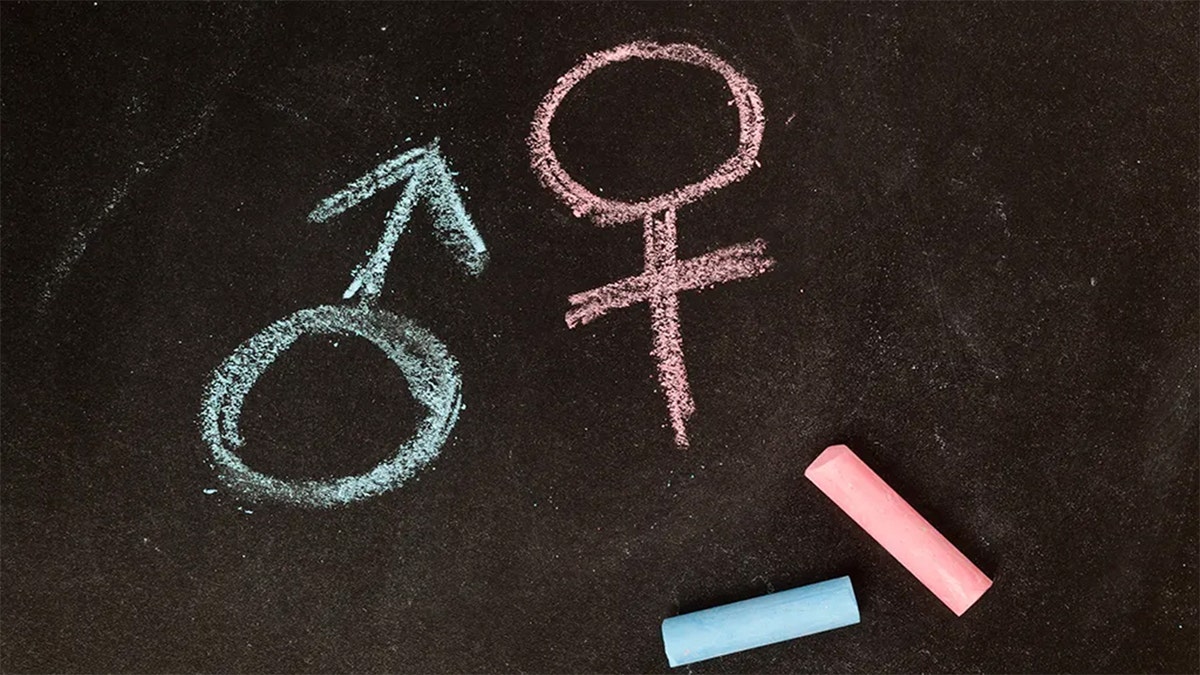
Three detransitioners claim they were pressured by doctors and hospitals as impressionable teenagers to undergo gender transition treatment. (iStock)
Breen’s mental health later deteriorated, and the teen stopped taking testosterone at 18 after therapy led Breen to conclude that the distress surrounding gender identity was connected to earlier trauma, according to the report. Breen reported experiencing pain and irregular menstrual cycles and requiring estrogen.
When Breen later sought breast reconstruction, doctors questioned the teen’s mental stability, and some stopped responding, according to the report.
"She did not face this same scrutiny when seeking a mastectomy at 14," the report states. HHS also said Breen discovered letters in the medical record claiming a lifelong history of gender dysphoria.
Now studying theater at UCLA, Breen said in the report that the treatments and surgery continue to have physical consequences.
"How can a child consent to losing fertility or the ability to breastfeed if no one checks whether she even understand what that means?" Breen said.
Aldaco said gender-related distress emerged during adolescence and that online communities framed gender transition as the "appropriate response" to those feelings, according to the report.
After talking to a doctor, Aldaco was prescribed testosterone with several specialists treating the then-teen for gender dysphoria, and the report says Aldaco gave no indication that providers considered alternative treatment options outside what it calls a "sex rejection" model.
Aldaco began taking testosterone before receiving a double mastectomy to remove breast tissue. Aldaco then began suffering severe complications after surgery, causing pain the young person said "I don’t think I’ll ever forget."
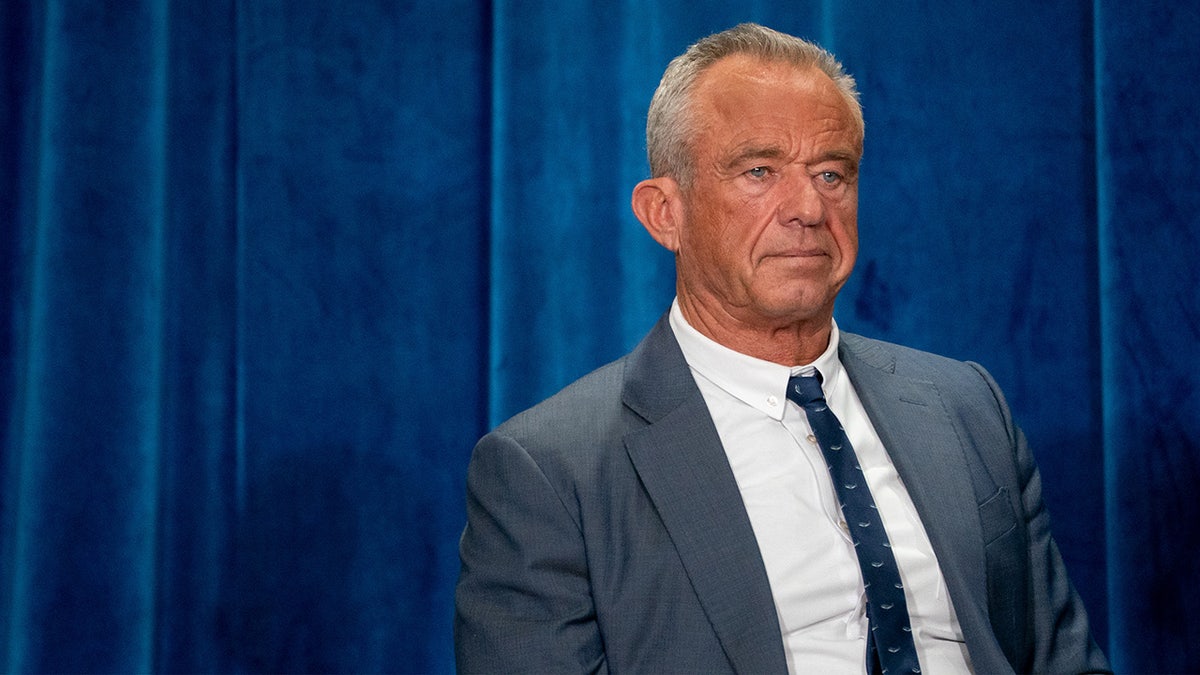
The stories of Clementine Breen, Soren Aldaco and Luke Healy were featured in the Department of Health and Human Services' "Wolves in White Coats: How Doctors and Hospitals Pushed and Profited from the Fraud of "Gender Medicine" report. (Stefani Reynolds/Bloomberg via Getty Images)
"Despite these negative developments, providers did not initiate a structured reassessment of her treatment plan," the report says, adding that the support received after treatments was insufficient compared to the systems that pushed the life-altering decisions.
"Soren’s experience reflects the imbalance of care for cases like hers," the report reads. "While her pathway into sex rejection medicalization involved coordinated referrals, approvals, and interventions across multiple providers, the pathway out involved no comparable system of support."
Healy was just 10 years old when first learning of an online community where adults discussed transgender identities, according to the HHS report.
Within three years, Healy says he came to identify as a girl. After discussing the issue with his parents, Healy was taken to a counselor to talk about it.
"The only people who seriously asked what might have caused his distress were his parents," the report reads. "Meanwhile, institutional figures … treated his new identity as settled and moved quickly to affirm it."
"Luke’s parents refused to consent to puberty blockers or hormones while he was still a minor," the report added. "Luke now describes their refusal as one of the bravest things they ever did."
Still wanting to be a girl at 18, Healy began pursuing transitioning treatments.
Healy started with estrogen and began receiving consultations for surgical treatments before slowly starting to realize that the treatments were not easing psychological stress.
JD VANCE CALLS ON DOJ TO PROSECUTE ALLEGED FRAUD IN TEEN TRANSGENDER TREATMENT
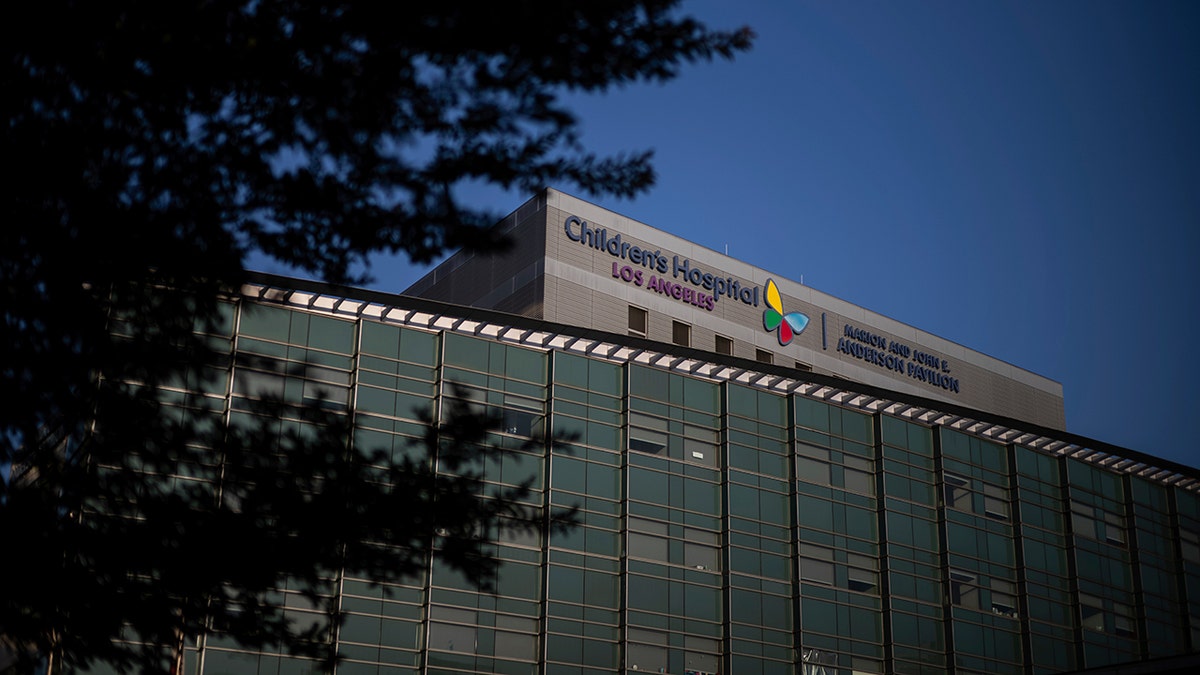
Doctors at Children’s Hospital Los Angeles told Clementine Breen's parents pre-teen was "100% trans" and at high risk of suicide without medical intervention. (AP Photo/Jae C. Hong)
CLICK HERE TO DOWNLOAD THE FOX NEWS APP
"Each intervention led to pressure for further intervention," the report reads. "In his view, the model was built around escalation rather than resolution."
Healy eventually began to question the procedures doctors were recommending.
"One doctor quoted him approximately $200,000 for facial feminization surgery. Another, he says, spoke to him like a car salesman while encouraging tracheal shave," the report said. "Luke came to realize he was being sold procedures, not psychological help."
Rather than continuing the efforts to become a girl, Healy focused on battling the substance abuse problems developed during the process, quitting drinking and drugs.
"He recognized the same obsessive, destructive pattern in gender ideology that he had seen in addiction," the report reads.























 Bengali (BD) ·
  English (US) ·