.png)
 6 days ago
3
6 days ago
3
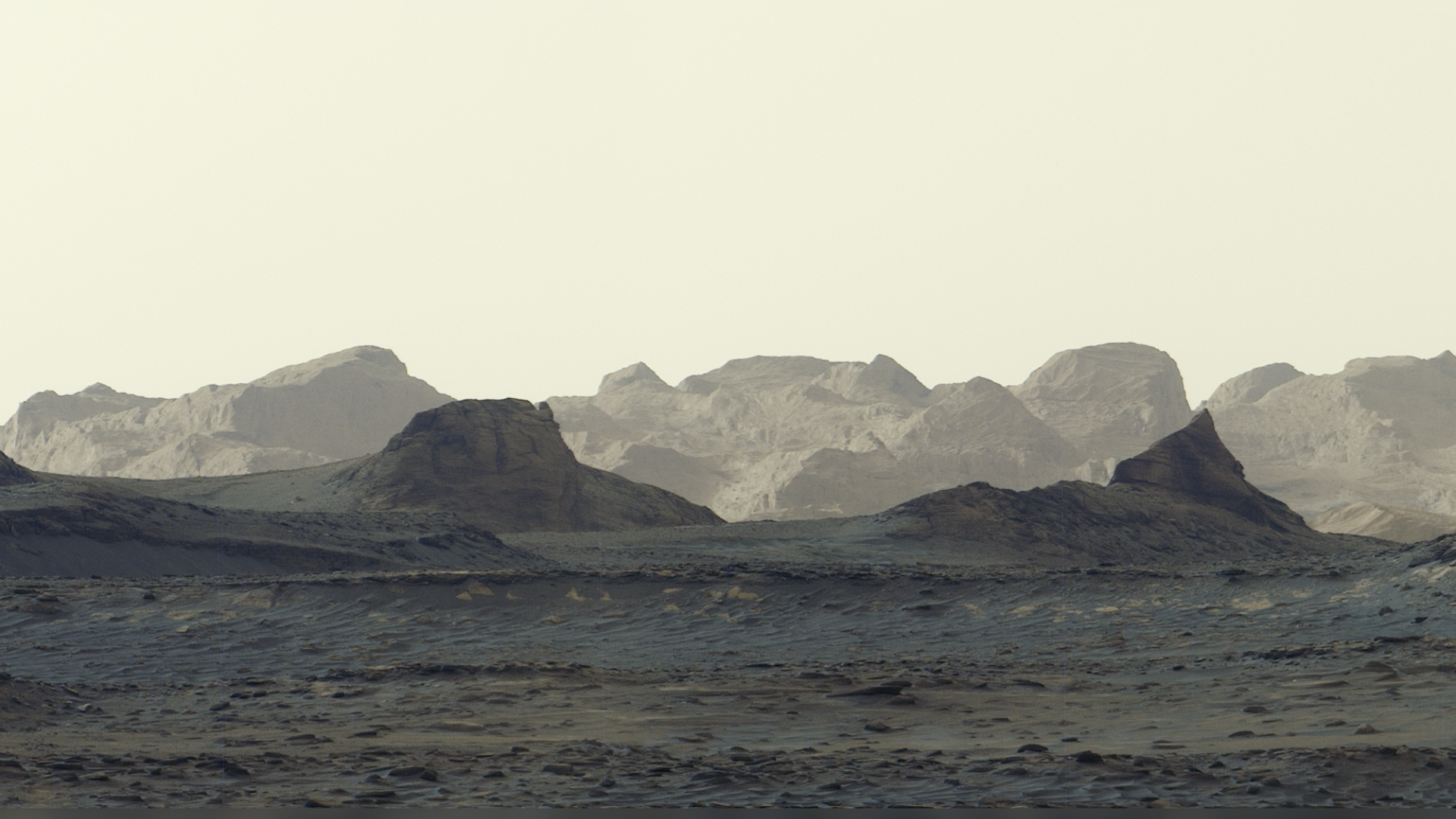
Imagine the sun has just risen as you wake to the soft sounds of Martian dust swirling outside. You look out and what do you see? A beautiful mountain range, bathed in golden light.
While this imaginary scenario might not be possible today, if future astronauts ever get to enjoy their morning coffee on the Red Planet, this is what they might see.
What is it?

NASA's Curiosity rover recently captured a stunning new panorama of dawn breaking over a Mars mountain range
The panorama, made using six different shots captured of the view, showcases Martian cliffs on the northwestern edge of Mount Sharp.
Curiosity has been exploring this 3-mile-tall (5-kilometer-tall) mountain for over a decade. Crawling up the mountain since 2014, the rover has explored all sorts of strange and unusual terrain. And now? It has captured a beautiful, peaceful Martian morning.
Why is it incredible?
Looking at this image, it seems almost Earth-like. Despite the complete lack of plant life (or any life that we're aware of), the view is reminiscent of mountains rising out of the deserts on our very own planet.
But what might feel like a familiar sight in a national park is an entirely different planet.
And by enjoying this view (and analyzing it scientifically), researchers can better understand how features like the cliffs on Mount Sharp formed.
Mars was once home to a variety of bodies of water like lakes and rivers. But what happened to the planet once it lost its atmosphere and, subsequently, its liquid surface water? How did the minerals left behind from these streams and lakes affect the Martian topography? These are just some of the many questions researchers aim to answer with observations like this.



























 Bengali (BD) ·
  English (US) ·