.png)
 1 week ago
23
1 week ago
23

Article content
As the trade war between Canada and the U.S. continues to escalate, potash has emerged as a potential bargaining chip.

THIS CONTENT IS RESERVED FOR SUBSCRIBERS
Enjoy the latest local, national and international news.
- Exclusive articles by Conrad Black, Barbara Kay and others. Plus, special edition NP Platformed and First Reading newsletters and virtual events.
- Unlimited online access to National Post.
- National Post ePaper, an electronic replica of the print edition to view on any device, share and comment on.
- Daily puzzles including the New York Times Crossword.
- Support local journalism.
SUBSCRIBE FOR MORE ARTICLES
Enjoy the latest local, national and international news.
- Exclusive articles by Conrad Black, Barbara Kay and others. Plus, special edition NP Platformed and First Reading newsletters and virtual events.
- Unlimited online access to National Post.
- National Post ePaper, an electronic replica of the print edition to view on any device, share and comment on.
- Daily puzzles including the New York Times Crossword.
- Support local journalism.
REGISTER / SIGN IN TO UNLOCK MORE ARTICLES
Create an account or sign in to continue with your reading experience.
- Access articles from across Canada with one account.
- Share your thoughts and join the conversation in the comments.
- Enjoy additional articles per month.
- Get email updates from your favourite authors.
THIS ARTICLE IS FREE TO READ REGISTER TO UNLOCK.
Create an account or sign in to continue with your reading experience.
- Access articles from across Canada with one account
- Share your thoughts and join the conversation in the comments
- Enjoy additional articles per month
- Get email updates from your favourite authors
Sign In or Create an Account
or
Article content
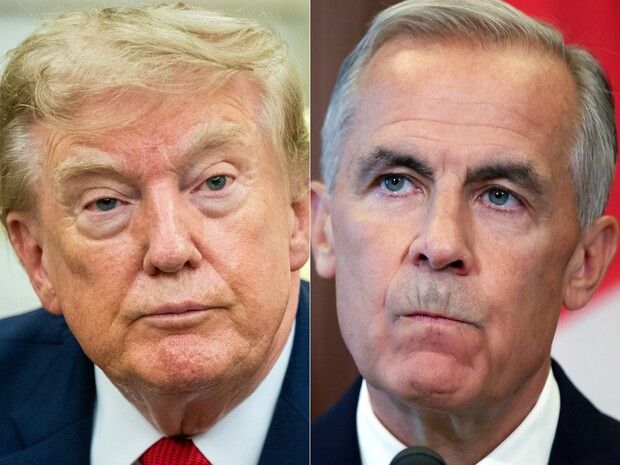
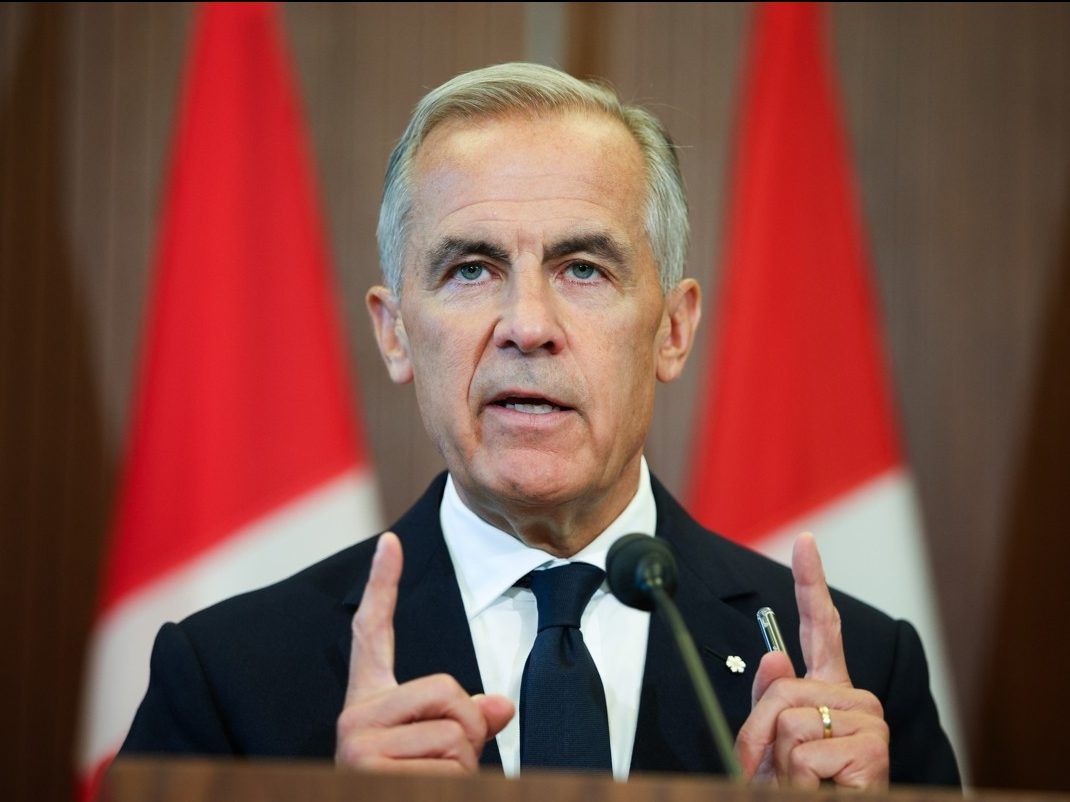
Ontario Premier Doug Ford said the resource is “one of the most powerful tools” Canada has in negotiations while speaking at a press conference in Vaughan on Wednesday, adding that the U.S. agricultural sector would be “dead overnight” if Canada were to cut it off. “Everyone in the world wants our potash,” he said.
Article content
Article content
Article content
National Post spoke to Akaash Maharaj, a senior fellow at the Munk School of Global Affairs & Public Policy, who confirmed that potash has become “indispensable” to the American agriculture sector, which is “currently dependent on Canadian exports.”
Article content
Article content
But the reality of whether Canada could restrict supply to the U.S. is complicated, and comes with consequences for both sides of the border.
Article content
What is potash?
Article content
Potash is a group of minerals and chemicals that contain potassium. Its main form, after deep-earth mining and milling, is potassium chloride (KCl), almost all of which is used as a fertilizer to improve crop root strength, disease resistance, water retention and yield by protecting and restoring soil fertility. This makes it essential to global food security.
Article content
Small amounts are sometimes used in other products like detergents, soaps, water softeners, snow and ice melters, and pharmaceutical products.
Article content
How much potash does Canada export to the U.S.?
Article content
Canada is the world’s largest producer and exporter of potash, and the United States is the leading destination of its potash exports, with 53 per cent sent south of the border in 2024, according to Natural Resources Canada. The U.S. also gets a small amount of potash from domestic production and other countries, such as Israel and Russia.
Article content
Article content
Data from Trading Economics, which is based on the United Nations COMTRADE database on international trade, shows that Canada exported $3.84B worth of fertilizer to the U.S. in 2025 out of a total of $408.99B in exports. Israel exported a much smaller amount of fertilizer to the U.S., valued at $271.60M, in 2025.
Article content
Article content
Article content

Article content
What would happen if Canada cut off potash to the U.S.?
Article content
Maharaj tells National Post that if Canada were to place export tariffs on potash, or otherwise reduce exports, it could “starve out the American agricultural sector.”
Article content
He says it would be a particularly bad moment for the U.S.’s access to be restricted, because they have few other potash suppliers due to sanctions placed on Belarus and Russia in recent years.
Article content
Meanwhile, the war in Iran has meant that global competition for fertilizers and fertilizer products has skyrocketed at the very moment when the supply of potash from Russia and Belarus has been choked off.
Article content
If Canada were to cut off its potash supply, “it would provoke a crisis in the United States,” Maharaj says, adding to spiralling food costs.

























 Bengali (BD) ·
  English (US) ·