.png)
 1 hour ago
8
1 hour ago
8
Article content
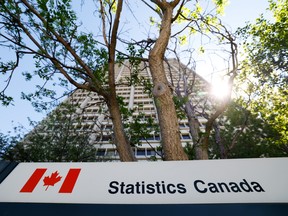
Last month, when Statistics Canada delivered unexpected bad news about a second consecutive quarter of negative real-GDP growth, there was a frenzy of pooh-poohing and counter-pooh-poohing about whether Canada was really in recession. On Thursday CP’s Craig Lord called attention to a different angle on the whole fuss, which isn’t the notional recession (yet), but the forecasting failure that preceded it. Economists at the Desjardins credit-union consortium are warning that StatCan’s monthly economic estimates are growing wobbly, leading to larger retrospective revisions — i.e., bigger surprises — when quarterly and yearly data are released later.

THIS CONTENT IS RESERVED FOR SUBSCRIBERS
Enjoy the latest local, national and international news.
- Exclusive articles by Conrad Black, Barbara Kay and others. Plus, special edition NP Platformed and First Reading newsletters and virtual events.
- Unlimited online access to National Post.
- National Post ePaper, an electronic replica of the print edition to view on any device, share and comment on.
- Daily puzzles including the New York Times Crossword.
- Support local journalism.
SUBSCRIBE FOR MORE ARTICLES
Enjoy the latest local, national and international news.
- Exclusive articles by Conrad Black, Barbara Kay and others. Plus, special edition NP Platformed and First Reading newsletters and virtual events.
- Unlimited online access to National Post.
- National Post ePaper, an electronic replica of the print edition to view on any device, share and comment on.
- Daily puzzles including the New York Times Crossword.
- Support local journalism.
REGISTER / SIGN IN TO UNLOCK MORE ARTICLES
Create an account or sign in to continue with your reading experience.
- Access articles from across Canada with one account.
- Share your thoughts and join the conversation in the comments.
- Enjoy additional articles per month.
- Get email updates from your favourite authors.
THIS ARTICLE IS FREE TO READ REGISTER TO UNLOCK.
Create an account or sign in to continue with your reading experience.
- Access articles from across Canada with one account
- Share your thoughts and join the conversation in the comments
- Enjoy additional articles per month
- Get email updates from your favourite authors
Sign In or Create an Account
or
Article content
Article content
The Desjardins report (“Diagnosing the Data Quality Crisis”), authored by Randall Bartlett and L.J. Valencia, acknowledges that this is a bizarre phenomenon. We live in a world deluged by new forms of data available at previously unfathomable scales, and we’re plunging into an artificial-intelligence singularity — but our statistical agency is somehow getting dumber?
Article content
Article content
By signing up you consent to receive the above newsletter from Postmedia Network Inc.
Article content
Sure, this may not be the most neutral way to put it, but the disorder is verifiable. The Q1 GDP mal-estimates by forecasters, who were depending on monthly StatCan business-sector data, weren’t modest or unimportant: that’s why the “recession” bunfights happened. Annualized growth in the Canadian economy ending up falling short of initial guesses by two full percentage points, with a change in the mathematical sign of the bottom-line figure.
Article content
It appears, upon close study, that StatCan’s survey-driven approach to sector monitoring is losing touch with major areas of the Canadian economy. The numbers the agency collects from resource extraction, finance and government are as robust as they ever were. But there has been a collapse of reliability in the short-term numbers on manufacturing as well as retail and wholesale trade. One particular sentence in the Desjardins report leaps out at the data-conscious reader: “In the case of real retail trade specifically, the monthly sales data now provide no insight into the direction of the underlying monthly real GDP category.” I would underline this for my colleagues down the hall at the Financial Post: a data release that you snatch at like piranhas has, since the pandemic, become statistical noise.
Article content
Article content
Your immediate reaction to this should be: “I bet the folks at Amazon know to a pretty high degree of precision how the aggregate state of retail sales in Canada is changing from afternoon to afternoon, never mind month to month.” Desjardins’ diagnosis of the problem is speculative. A lot of the statistical degradation they document is a post-COVID phenomenon, and may reflect economic anomalies out there in the still-rebuilding real world. (Certainly, when it comes to retailing, we are still a few years from everything being “back to normal,” whatever that will look like.) The economists also observe that the recent wild swings in immigration policy and volumes — both here and in the U.S. — are hard on the accuracy of labour-force surveys and other instruments.
Article content
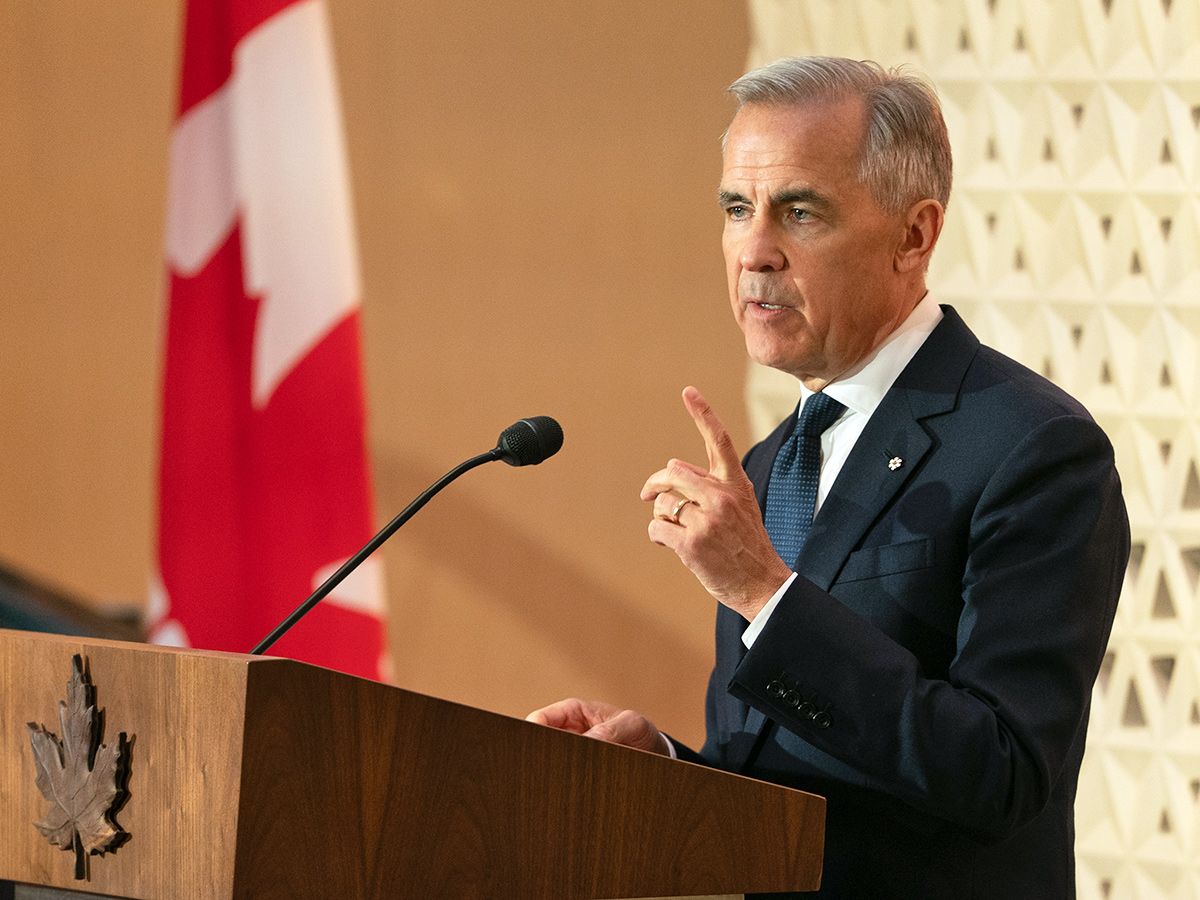
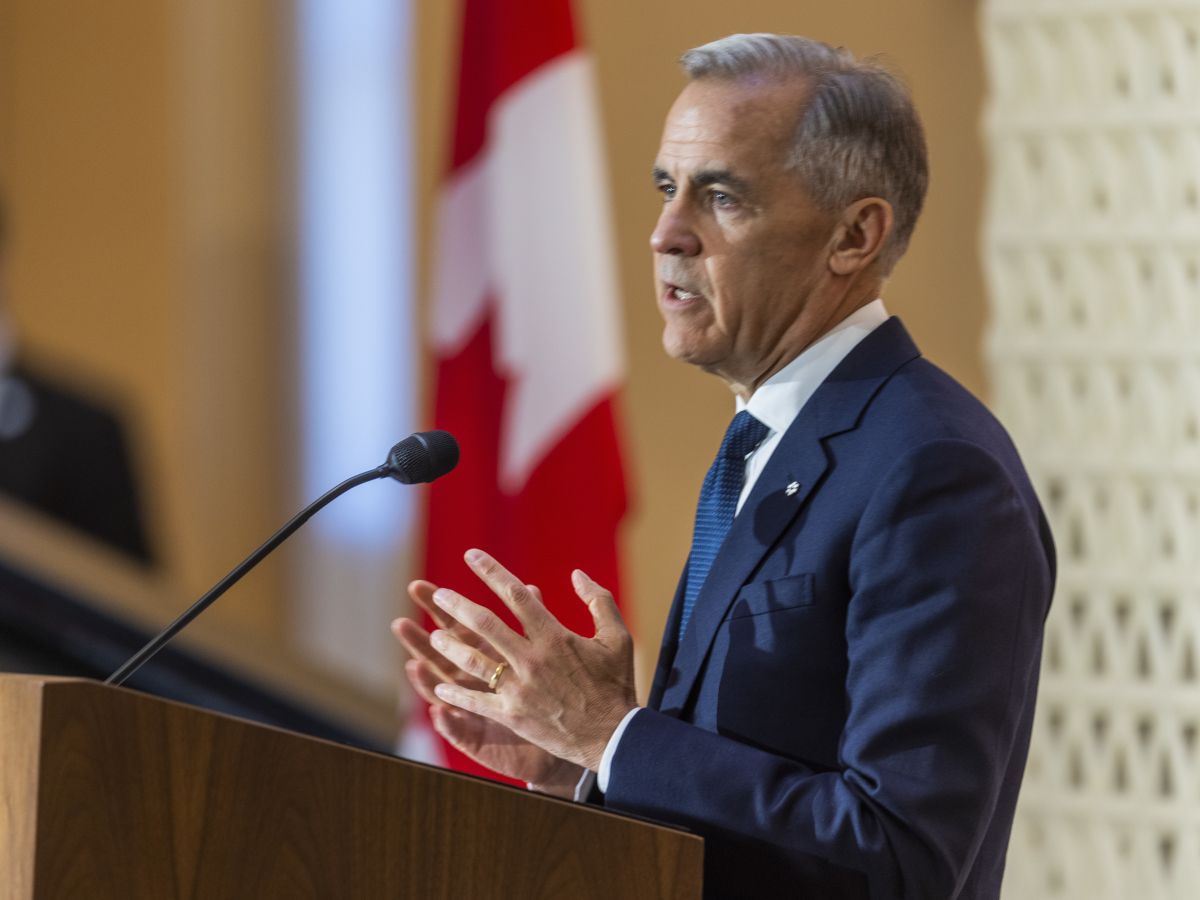
There has been some overall damage to the accuracy of American trade and labour statistics, caused by the republic’s political turbulence, including contrived “government shutdowns,” and that creates downstream injuries to Canadian economic estimates. And meanwhile StatCan is bracing for prospective Carneyan budget cuts.
























/https%3A%2F%2Fsportsmole-media-prod.s3.gra.io.cloud.ovh.net%2Fuploads%2F2026%2F05%2Fscheffler-6a034d9fca412032057779.jpg)
/https%3A%2F%2Fsportsmole-media-prod.s3.gra.io.cloud.ovh.net%2Fuploads%2F2026%2F06%2Ficonsport-111147-0089-1-6a27d006a81d1227497324.jpg)
/https%3A%2F%2Fsportsmole-media-prod.s3.gra.io.cloud.ovh.net%2Fuploads%2F2026%2F06%2Fimago-xinhua-nestory-irankunda-celebrates-scoring-for-australia-in-the-world-cup-on-june-14-2026-6a2f348854d1b663111439.jpg)
 Bengali (BD) ·
  English (US) ·