.png)
 6 days ago
19
6 days ago
19
Premier Ford has indicated he is open to the approach.
Published Sep 20, 2026 • Last updated 20 minutes ago • 4 minute read

See more Toronto Sun on Google — save as a Preferred Source
Advertisement 2

THIS CONTENT IS RESERVED FOR SUBSCRIBERS ONLY
Subscribe now to read the latest news in your city and across Canada.
- Unlimited online access to articles from across Canada with one account.
- Get exclusive access to the Toronto Sun ePaper, an electronic replica of the print edition that you can share, download and comment on.
- Enjoy insights and behind-the-scenes analysis from our award-winning journalists.
- Support local journalists and the next generation of journalists.
- Daily puzzles including the New York Times Crossword.
SUBSCRIBE TO UNLOCK MORE ARTICLES
Subscribe now to read the latest news in your city and across Canada.
- Unlimited online access to articles from across Canada with one account.
- Get exclusive access to the Toronto Sun ePaper, an electronic replica of the print edition that you can share, download and comment on.
- Enjoy insights and behind-the-scenes analysis from our award-winning journalists.
- Support local journalists and the next generation of journalists.
- Daily puzzles including the New York Times Crossword.
REGISTER / SIGN IN TO UNLOCK MORE ARTICLES
Create an account or sign in to continue with your reading experience.
- Access articles from across Canada with one account.
- Share your thoughts and join the conversation in the comments.
- Enjoy additional articles per month.
- Get email updates from your favourite authors.
THIS ARTICLE IS FREE TO READ REGISTER TO UNLOCK.
Create an account or sign in to continue with your reading experience.
- Access articles from across Canada with one account
- Share your thoughts and join the conversation in the comments
- Enjoy additional articles per month
- Get email updates from your favourite authors
Article content
There comes a point in some mental health and addiction crises when a person is simply not able to ask for help. In Peel, too many people are brought to hospital by police, only to come into contact with police again during another crisis. They go through the same process repeatedly without getting the care they need.
Article content
Recommended Videos
Article content
Peel’s own figures show the scale of it. Between January 2022 and July 2026, Peel Regional Police recorded 24,027 apprehensions involving 17,726 people. That works out to about 14 apprehensions a day. Police also responded to 3,105 overdoses during that period. In 534 cases, the person died.
The repeated contact is especially concerning. Earlier Peel police data showed that 1,754 individuals were apprehended more than once, while 57 were apprehended more than 10 times. The response amounted to the equivalent of 12,830 officer shifts and more than $12 million in officer time. Officers also spent more than 30,000 hours waiting in hospitals on these calls.
By signing up you consent to receive the above newsletter from Postmedia Network Inc.
Article content
Advertisement 3
Article content
Emergency departments carry the same weight: In 2024, when Brampton first made its request for the Province of Ontario to implement a pilot project in Peel Region to support individuals living with severe addictions, concurrent mental health disorders and acquired brain injuries, visits for mental health and addictions in the city had risen by 121 per cent since 2010.
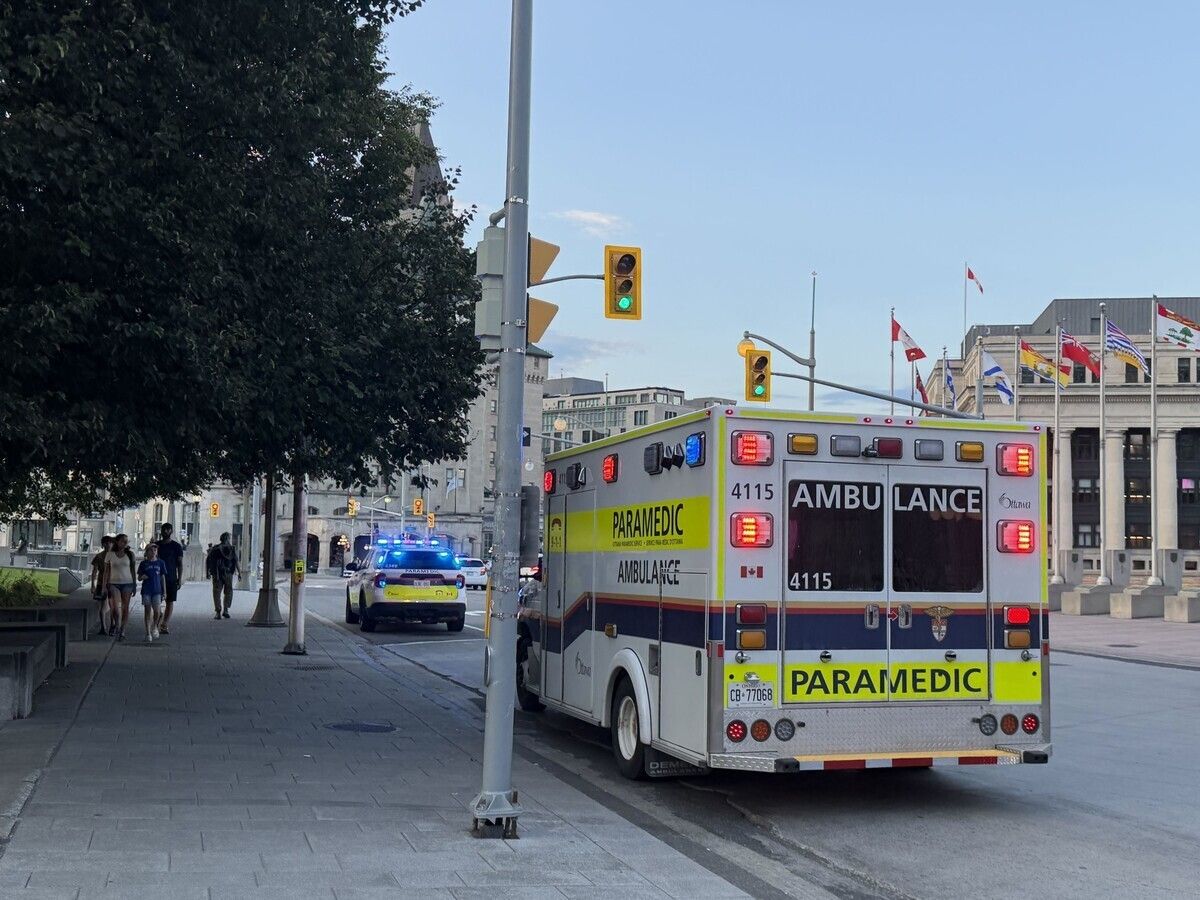
The people closest to these calls describe the same pattern. Chief Nishan Duraiappah has supported Brampton’s proposal since it was announced. As he has said, “Peel Regional Police officers are often the first point of contact for individuals experiencing mental health or addiction crises.” He also noted that officers have spent “tens of thousands of hours waiting in hospitals on these calls.” The Chief’s support reflects what his officers are seeing firsthand: The same people repeatedly reaching a crisis point without getting lasting care.
What we are proposing is narrow. Compassionate intervention is intended for a small group of people living with severe addictions, concurrent mental health disorders or acquired brain injuries who cannot seek care because of the severity of their condition. Under Brampton’s proposal, a first responder could bring a person to a psychiatric facility, but a physician would determine whether intervention is necessary for that person’s health and safety or the safety of others. Police would not make the medical decision.
Advertisement 4
Article content
Most people seeking help for an addiction or mental health condition should enter treatment voluntarily, and those services need more provincial support. This proposal is for the smaller group whose condition has become so severe that they cannot seek help on their own. Any pilot must set a high medical threshold and require regular reassessment. It must protect individual rights. People must be treated with dignity throughout. It must also ensure that treatment is available and that patients can continue receiving care after they leave.
A pilot would allow the Province to test the model carefully and measure the results. It should track whether people remain connected to care, whether repeat apprehensions decline, and whether pressure on emergency departments and police services is reduced. The results should be public so that Ontario can decide what works based on evidence.
Brampton has been asking for this pilot since October 2024, when Council unanimously backed the request, and we raised it again this August in our formal submission to the Association of Municipalities of Ontario. Ontario’s Big City Mayors have also called for a review of the Mental Health Act and the Health Care Consent Act, along with more treatment and recovery services. The legal and health care framework is provincial. Brampton cannot create this program alone.
Advertisement 5
Article content
Premier Ford has now opened the door. Speaking on Sept. 10, he said he was open to the approach as long as it helps “both the individuals involved and their communities,” and he committed to sitting down with mayors. That is the right instinct. Mayors hear about these cases from police, paramedics, hospitals and families. The Province should hear from us before deciding what comes next.
When someone has a heart attack, we don’t ask whether they consent to the ambulance. We treat them, then we keep treating them — cardiac rehab, medication, months of follow-up. Severe addiction is no different. The emergency is only the start of the care.
Brampton is ready to work with the Province, Peel Regional Police, health care providers and other municipalities on a responsible pilot. This is about connecting people to care, reducing the pressure on emergency services and keeping our community safe. I look forward to working with Premier Ford and my fellow mayors to get this done.
Patrick Brown is the Mayor of the City of Brampton
Read More
-

BROWN: Wayne Gretzky deserves our respect, not our scorn
-

BROWN: How Canada’s mayors can support communities in time of economic crisis


Article content

























 Bengali (BD) ·
  English (US) ·