.png)
 1 day ago
15
1 day ago
15

Article content
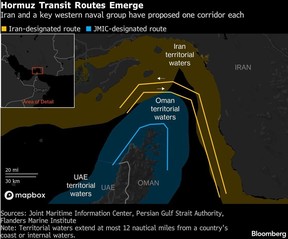
The wait for an Iranian deal with Oman on the Strait of Hormuz dragged on, as the Islamic Republic’s top envoy ruled out direct talks with the U.S. for now.

THIS CONTENT IS RESERVED FOR SUBSCRIBERS
Enjoy the latest local, national and international news.
- Exclusive articles by Conrad Black, Barbara Kay and others. Plus, special edition NP Platformed and First Reading newsletters and virtual events.
- Unlimited online access to National Post.
- National Post ePaper, an electronic replica of the print edition to view on any device, share and comment on.
- Daily puzzles including the New York Times Crossword.
- Support local journalism.
SUBSCRIBE FOR MORE ARTICLES
Enjoy the latest local, national and international news.
- Exclusive articles by Conrad Black, Barbara Kay and others. Plus, special edition NP Platformed and First Reading newsletters and virtual events.
- Unlimited online access to National Post.
- National Post ePaper, an electronic replica of the print edition to view on any device, share and comment on.
- Daily puzzles including the New York Times Crossword.
- Support local journalism.
REGISTER / SIGN IN TO UNLOCK MORE ARTICLES
Create an account or sign in to continue with your reading experience.
- Access articles from across Canada with one account.
- Share your thoughts and join the conversation in the comments.
- Enjoy additional articles per month.
- Get email updates from your favourite authors.
THIS ARTICLE IS FREE TO READ REGISTER TO UNLOCK.
Create an account or sign in to continue with your reading experience.
- Access articles from across Canada with one account
- Share your thoughts and join the conversation in the comments
- Enjoy additional articles per month
- Get email updates from your favourite authors
Sign In or Create an Account
or
Article content
Iranian Foreign Minister Abbas Araghchi, who has said a pact to establish a temporary shipping route through the global energy chokepoint was “very close,” on Sunday criticized what he described as U.S. violations of a short-lived interim peace agreement signed in June.
Article content
Article content
Article content
“As long as the American violation of the Memorandum of Understanding continues and the U.S. does not make amends for its violations, there is no possibility of resuming negotiations,” Araghchi was cited as saying by state TV.
Article content
By signing up you consent to receive the above newsletter from Postmedia Network Inc.
Article content
Tehran on Saturday upped the ante by renewing a hefty list of demands for Washington as conditions for a full reopening of Hormuz, indicating any immediate respite for oil and gas supplies may be limited.
Article content
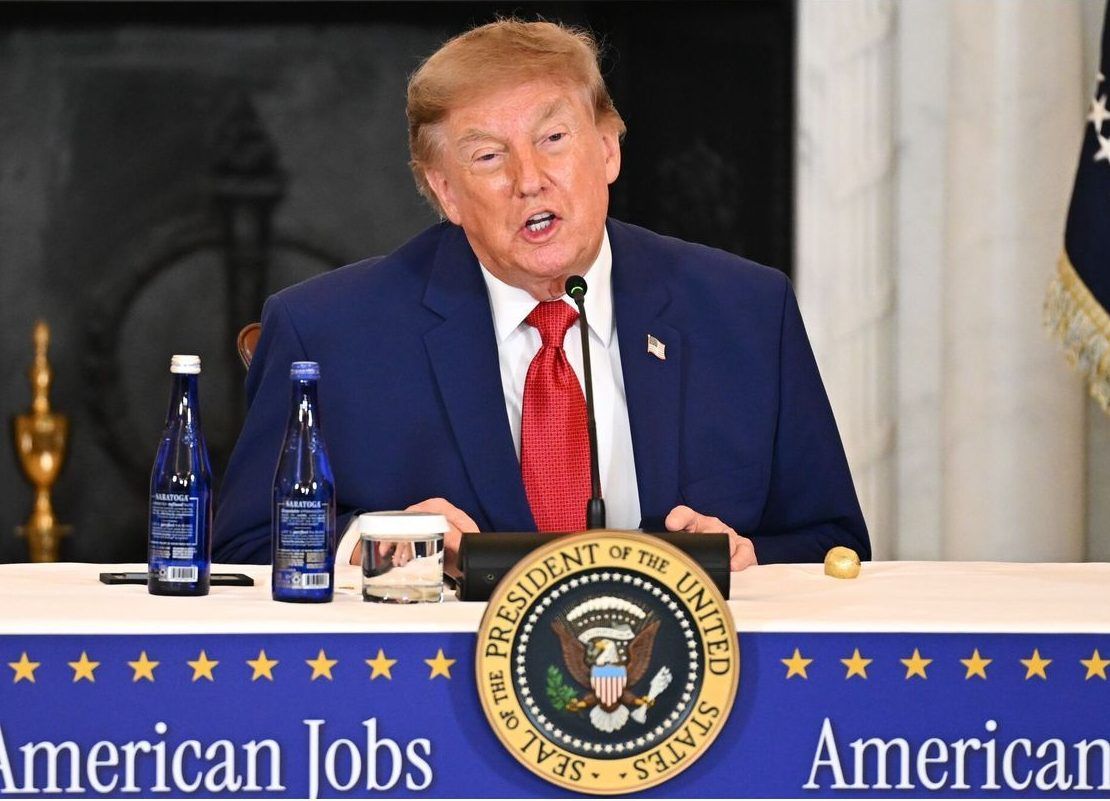
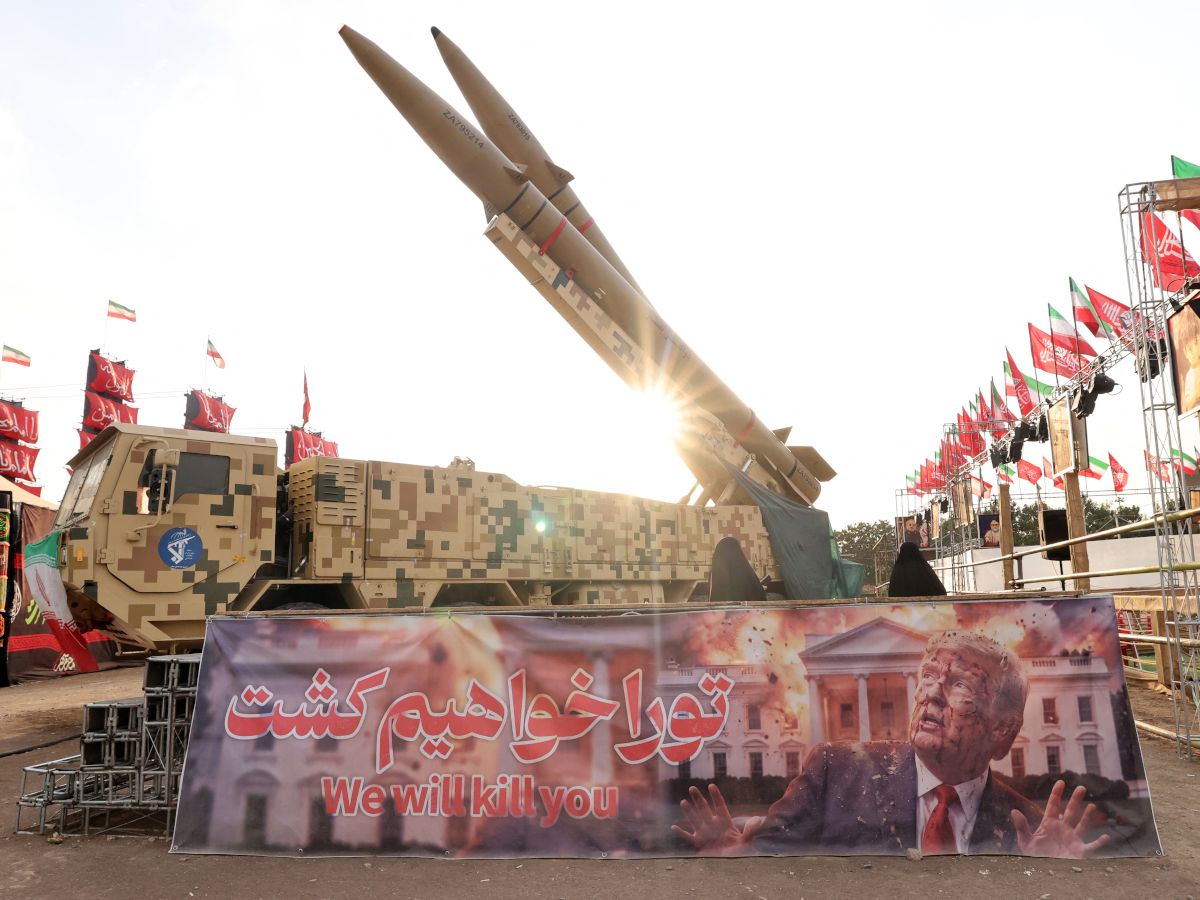
The status of the Strait of Hormuz has become a key factor in the conflict the U.S. and Israel launched on Iran in late February, and it’s unclear how Washington will respond to any agreement. U.S. President Donald Trump has demanded the resumption of open navigation for months, regularly threatening fresh attacks on Iran if it fails to reopen the waterway.
Article content
With a deal elusive, the situation in the Middle East stayed volatile on Sunday. Iranian-backed Houthi rebels claimed they’d struck Saudi Aramco’s Jizan oil refinery in the kingdom. Saudi authorities earlier reported a fire at the facility.
Article content
U.S. Vice President JD Vance, the day before, suggested there’d been recent progress in negotiations, but it’s not clear if the final result will be satisfactory. The question is whether Iran will be able “to give the things that are necessary for us to be happy, for us to feel like we’ve gotten what we need out of this particular engagement,” he told Fox News.
Article content
Article content
Washington has repeatedly suggested it’s part of negotiations over the management of Hormuz, which Iran disputes.
Article content
Article content
“Some intermediary countries are trying to re-establish the ground for negotiations,” Araghchi was quoted as saying on Sunday. “At present, we are not negotiating with the U.S. — the exchange of messages is taking place through intermediaries.”
Article content
Article content
Article content
Besides compensation, Tehran’s demands include that the U.S. lifts its naval blockade on Iranian ports, withdraws military forces from around Iran, removes sanctions and releases frozen assets, according to Mohammad Bagher Zolghadr, a hardliner who heads the Supreme National Security Council.
Article content
Traffic through the chokepoint has been largely blocked since the start of the war, but some ships have continued to ferry cargoes as part of a shuttle program involving U.S. military help.
Article content
Oil prices swung between gains and losses last week, with Brent eventually settling above US$83 a barrel as traders weighed the prospects of a deal that’s expected to clear the way for the restoration of millions of barrels of supply from the Persian Gulf.























/https%3A%2F%2Fsportsmole-media-prod.s3.gra.io.cloud.ovh.net%2Fuploads%2F2026%2F01%2Fdanny-welbeck-5-6956bfa3ea945973722124.jpg)
 Bengali (BD) ·
  English (US) ·