.png)
 1 hour ago
8
1 hour ago
8
A few years ago, a friend came back from Jordan in September and told me I'd got it wrong.
"I went to that desert you told me about but I didn't see many stars," he said.
This was awkward. I'd been very specific. Wadi Rum is one of the best places on Earth for stargazing and to see the Milky Way — vast, dry, high and almost completely free of light pollution. I'd painted a picture of it: a river of starlight arching over the desert.
"I mean, there were stars," he added. "But no Milky Way. Just a really bright moon."
And there it was.
He hadn't gone to the wrong place. He hadn't gone in the wrong season — September is an ideal time to see the Milky Way. He'd gone during the "wrong" moon phase.
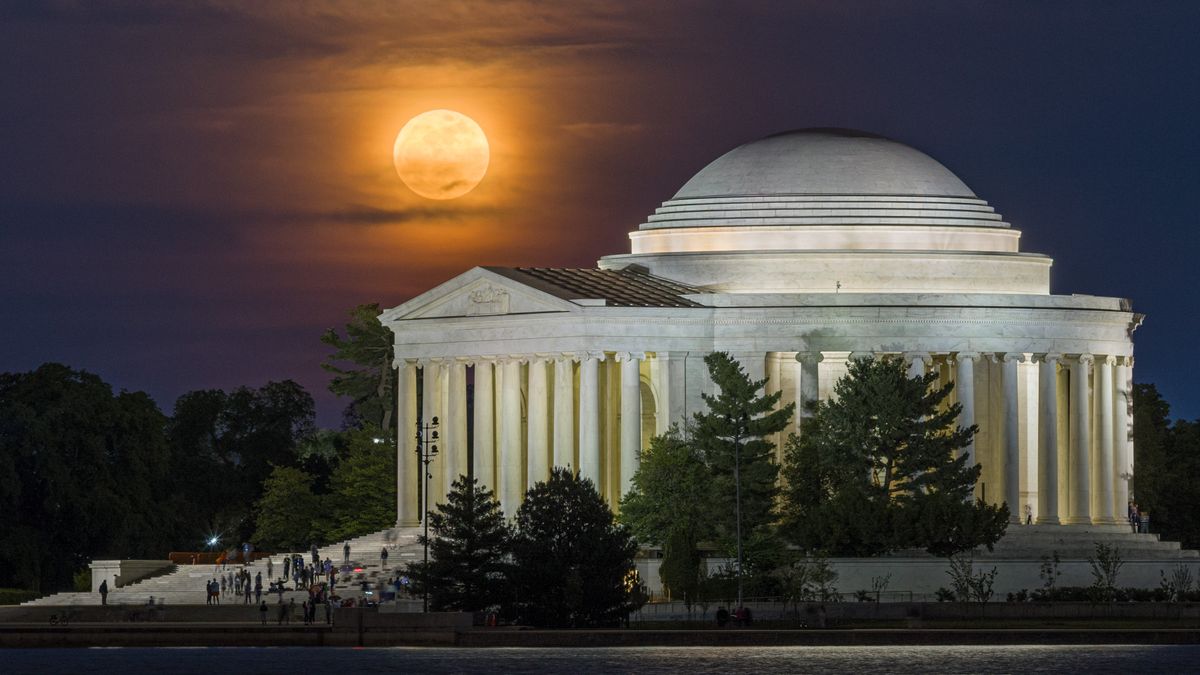
Humans adore the full moon, but few appreciate how it changes the rest of the night sky. It's nature's biggest light polluter. There's really no point poring over light pollution maps or carefully choosing a Dark Sky Place if you ignore the phases of the moon, because if it's bright, it will overwhelm all but the brightest stars.
Work and family schedules often dictate when travel has to take place, of course, but if I have the choice, I never travel to dark skies in the week before a full moon because it dominates the sky all evening.
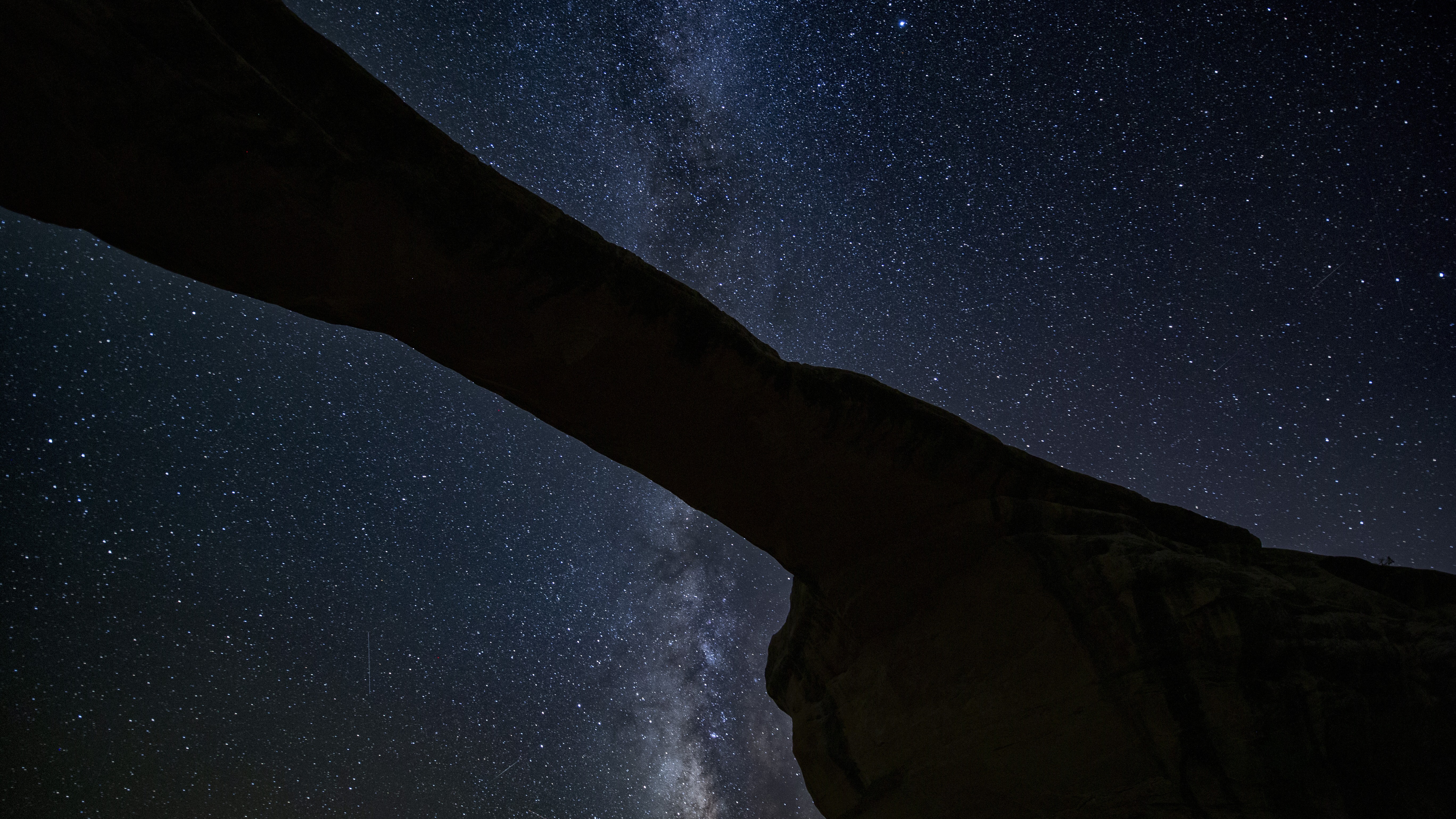
A week after our conversation, I was in the Four Corners region of the U.S., standing in Natural Bridges National Monument Dark Sky Park, a few nights before a new moon. Just after dark, the Milky Way appeared behind Owachomo Bridge in a perfectly dark sky. I didn't show my friend the photos, nor tell him how carefully I had planned my trip.
Stargazing isn't just about where you go. It's about when you go. The importance of the moon phase is just one of many lessons that only emerge after time spent outside, looking up.
1. Always check with the moon
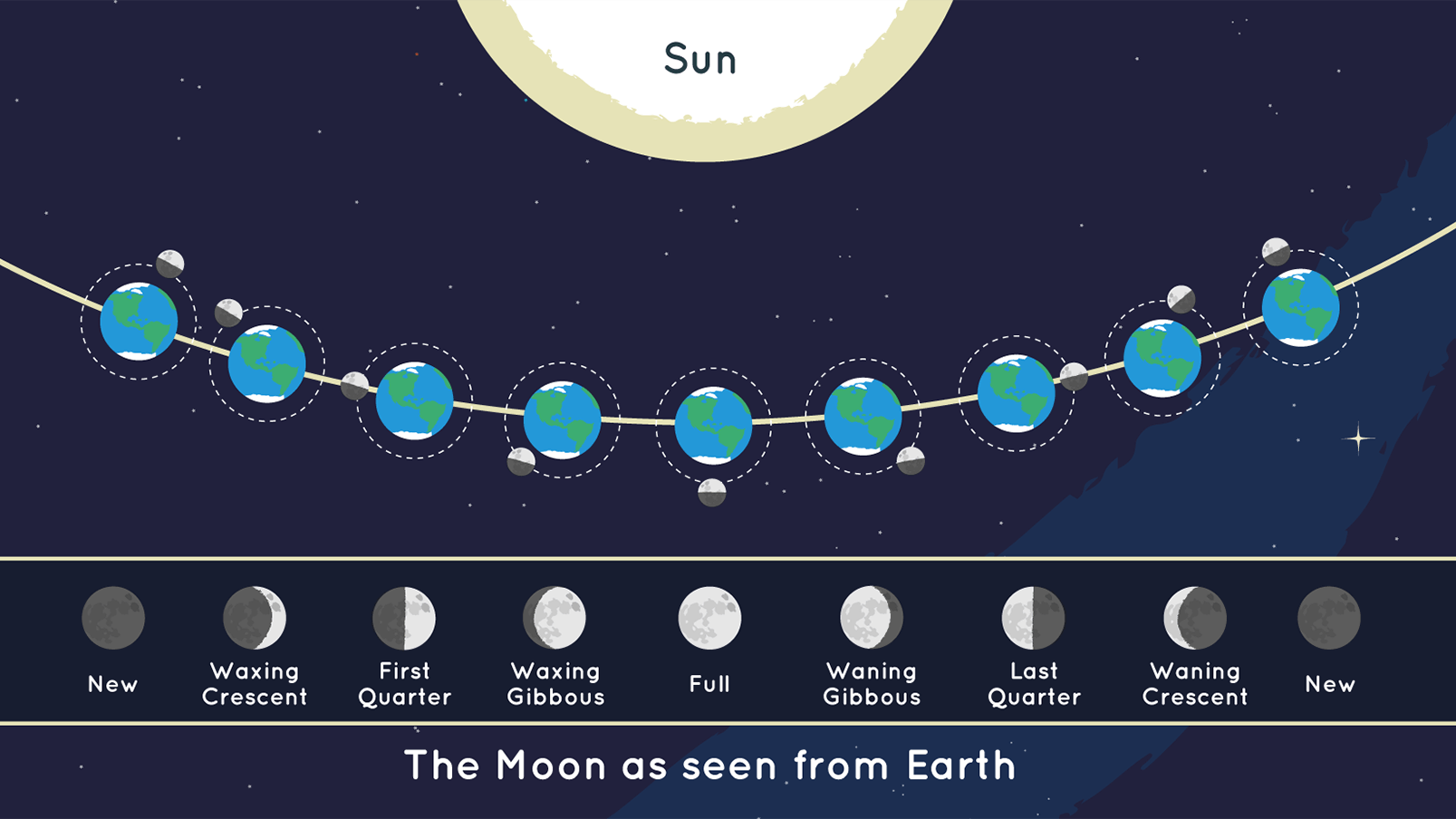
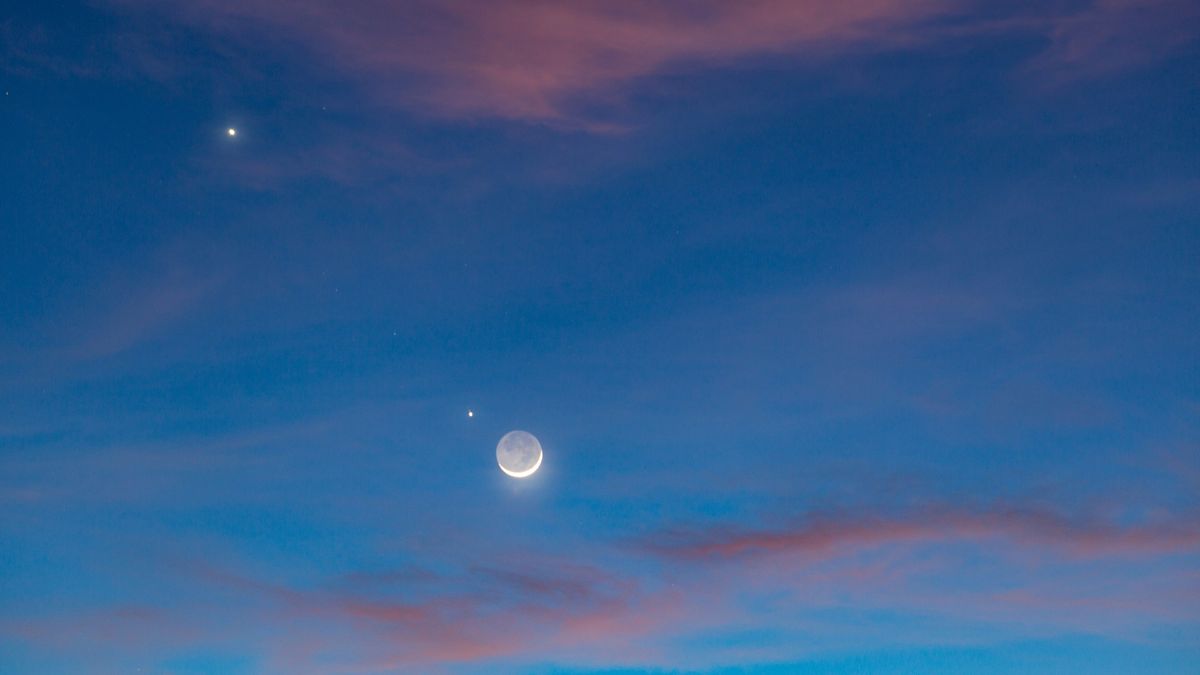
From last quarter moon to just beyond new moon, there's a 10-night stretch when evening skies are free from bright moonlight. Outside that window, moonlight will gradually erase fainter stars and deep-sky objects. Once you understand this rhythm, you stop wasting time fighting bright skies and start planning around them. Find yourself a moon phase calendar and plan any deep-sky observing and trips to dark skies or observatories around it — it will make a huge difference to what you can see.
2. You can stargaze from a city
A truly dark sky is breathtaking — but it can also be overwhelming for beginners. In a city, the faintest stars disappear, leaving only the brightest patterns. That actually makes the major constellations easier to learn. Find shadow, not necessarily darkness, and think of urban skies as a simplified map, as a quick and easy way to brush up on the basics. Light pollution is a scourge, and you definitely should join the fight for dark skies, but don't persuade yourself that there's "no point" in stargazing from a city. That's like saying there's no point learning the alphabet because you can't yet read a novel — it's exactly where you should begin.
Read more: Want to know my secret for learning the night sky? Welcome to sidewalk stargazing
3. The sky is always changing
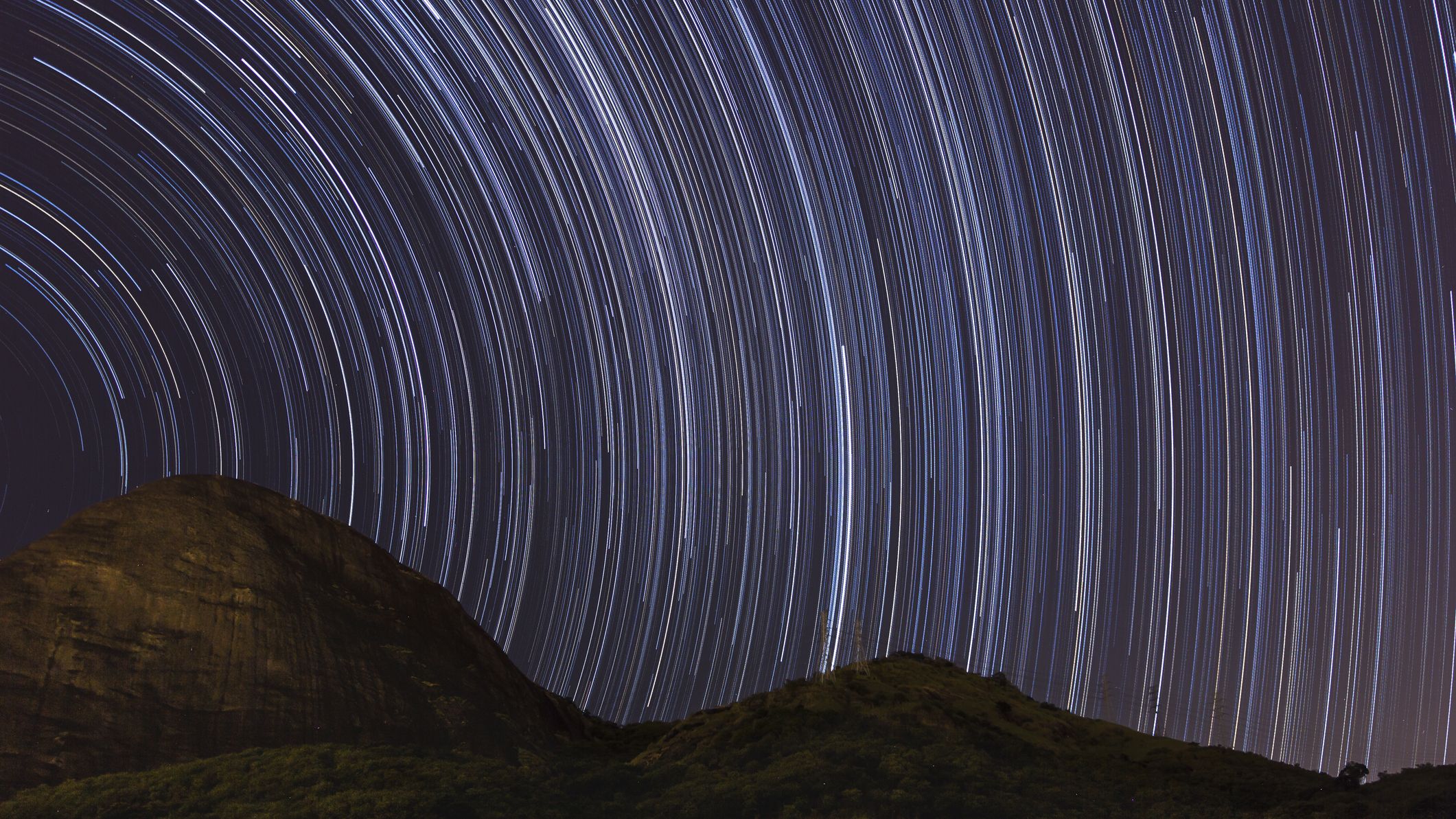
As Earth orbits the sun, stars appear to rise about four minutes earlier each night. Did you know that? Almost nobody does, but those nuggets of knowledge instantly unlock why the stars change with the seasons. How? Over a month, those four minutes each day add up to a two-hour shift. Constellations that were low in the east suddenly dominate the sky earlier in the evening. Stargazing has an annual rhythm that, with time and patience, you can internalize. Ask yourself: what constellations will I see tonight? If you can't think of at least three, you're a beginner.
4. Stargazing is best done bite-size
It's tempting to think you need a long session under perfect skies to get ahead as a stargazer. In reality, short, regular sessions teach you far more. Go outside for 20 minutes at the same time each night, and the sky will start to make sense. Find a constellation. Come back tomorrow and find it again. Every time you learn something new, revise something old. The learning comes through repetition, not intensity.
5. Let your eyes adapt
If you do have the time and patience to stand under the stars for over 20 minutes, be so careful with white light. So many stargazers, including, in my experience, plenty of professional astronomers, think nothing of using stargazing apps on their smartphones pushed to full brightness. It's a rookie error. Give your eyes at least 20 minutes away from bright light, and the sky transforms. More stars appear. Faint star clusters become visible. If you want to use a stargazing app, put it in red light mode — white light resets everything.
6. Peripheral vision is your secret weapon
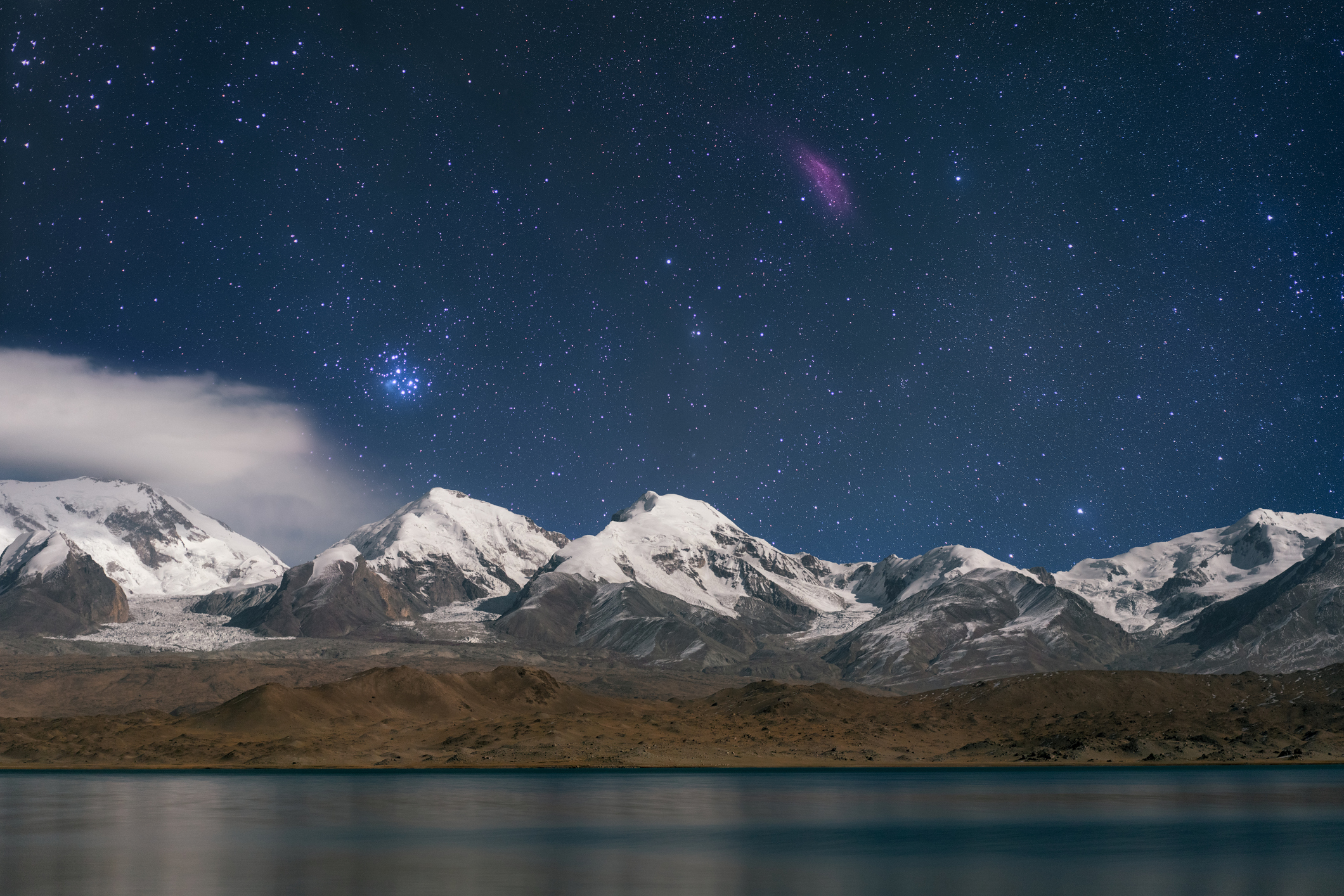
There's more biology in stargazing than you might think. As well as dark-adapting your eyes, it pays to use a part of your vision you probably never think about. Whether you're stargazing with the naked eye, binoculars or a telescope, looking slightly to the side of something faint — an open cluster, a nebula or a galaxy — makes it easier to see. That's because the edges of your vision are more sensitive to light. Once you try it, you realize how much you were missing by staring directly at things. The simplest example is the Pleiades (M45); look straight at it, and you'll see six or seven points of light in the shape of a baby Big Dipper, but glance to the side, and its brightness is suddenly obvious.
7. Meteor showers rarely look like the photos
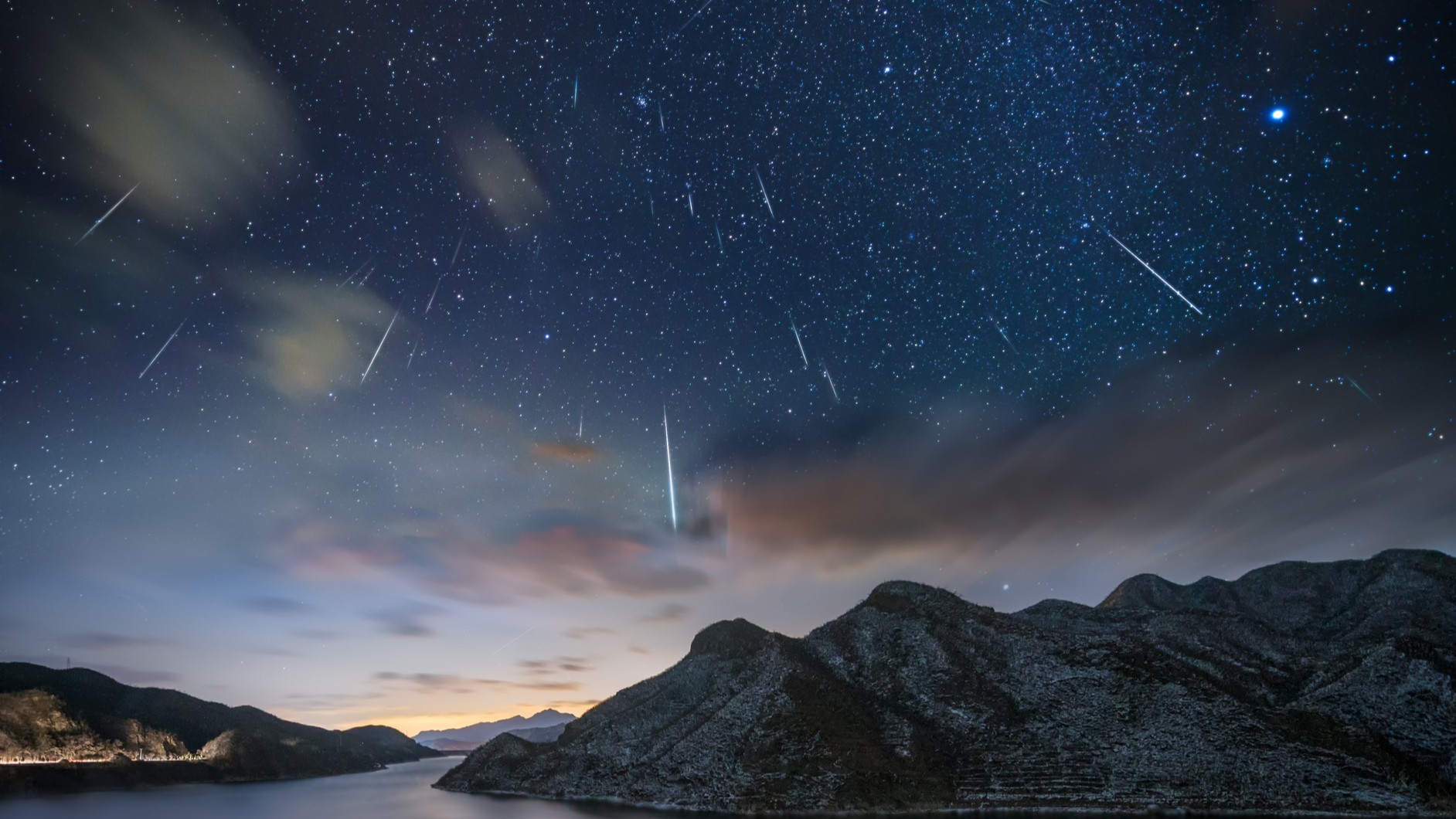
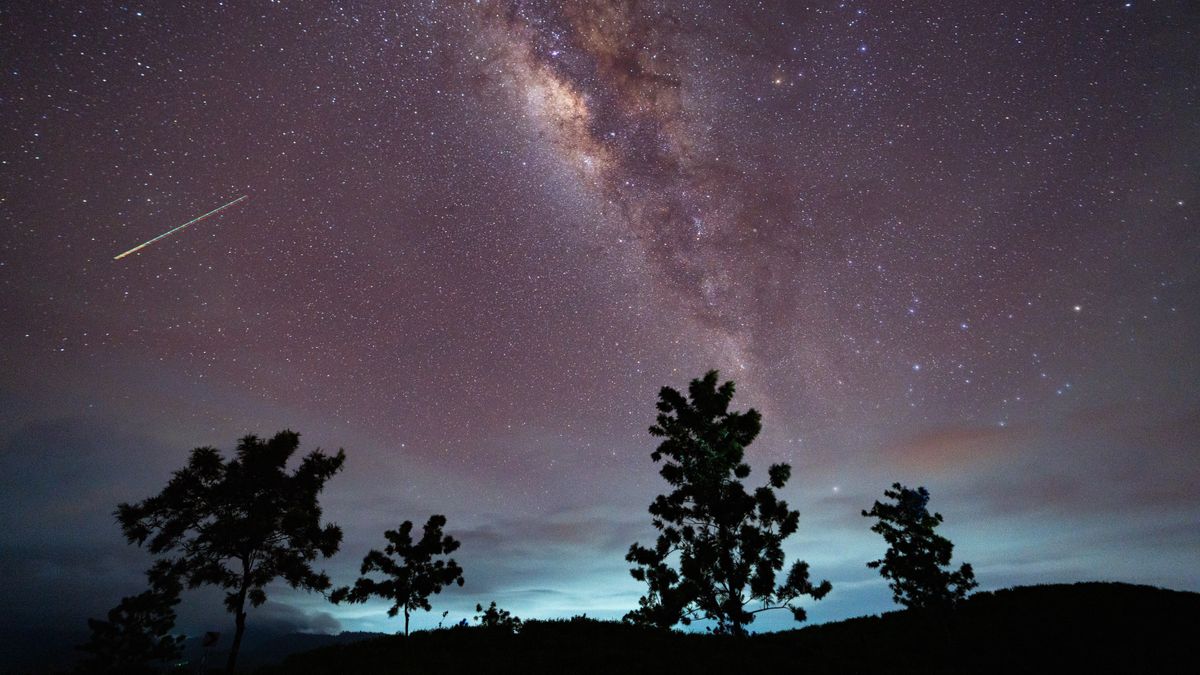
Oh, the headlines about meteor showers "lighting up the sky." They are so misleading, as are the composite stacked images created by astrophotographers after many hours of work. Meteor showers are an extreme form of stargazing. Seeing a bright "fireball" streak across the sky can be thrilling, but know this: you will likely have to spend a lot of time and work very hard to get much from any meteor shower. What do I do? In years when August's Perseid meteor shower occurs in a dark sky, I go camping far from light pollution and hope for clear skies. Even then, it can be underwhelming. Treat meteor showers as a bonus to a night under the stars, not a guaranteed jaw-dropping spectacle.






















/https%3A%2F%2Fsportsmole-media-prod.s3.gra.io.cloud.ovh.net%2Fuploads%2F2026%2F02%2Fimago1072832028-1-1-6996d086195c8904803070.jpg)
 Bengali (BD) ·
  English (US) ·