.png)
 1 hour ago
10
1 hour ago
10
NEWYou can now listen to Fox News articles!
As Americans live longer, experts say everyday habits may be taking a toll on eye health earlier than expected.
Dr. Douglas Lazzaro, professor of ophthalmology at NYU Langone Health, warned that several everyday habits may be silently affecting eye health.
Age-related eye conditions include glaucoma, which damages the optic nerve, and cataracts, a clouding of the eye’s lens that can block light and blur vision.
POPULAR ERECTILE DYSFUNCTION DRUG LINKED TO EYE DISEASE THAT CAN CAUSE IRREVERSIBLE VISION LOSS
While genetics and aging remain major drivers of many eye diseases, avoiding the following common mistakes may help slow their progression and protect vision, Lazzaro told Fox News Digital.
No. 1: Not protecting eyes from the sun
While exposure to sunlight is beneficial for overall metabolic health and longevity, failing to protect the eyes from the sun may lead to accelerated damage.

Failing to protect the eyes from the sun may lead to accelerated damage. (iStock)
Lazzaro pointed to research suggesting that long-term ultraviolet exposure may contribute to macular degeneration and the progression of cataracts.
POPULAR WEIGHT-LOSS DRUGS FACE NUMEROUS LAWSUITS OVER RARE 'EYE STROKE' LINKED TO VISION LOSS
In the doctor's own practice, cataracts are appearing five to 10 years earlier than they did three decades ago, which he believes may be linked to ultraviolet light exposure.
He recommends wearing sunglasses in bright, sunny conditions to help protect the eyes, including the lens and retina.
No. 2: Reading in poor light
Reading in poor lighting can increase eye strain and make it harder to focus, particularly with age, according to Lazzaro.

Straining the eyes to see or read something puts stress on the optic nerves, the eye doctor said. (iStock)
"As we get older, our eyes have more difficulty seeing under certain lighting conditions," he told Fox News Digital, noting that older adults may have more difficulty adjusting to darker environments.
"If you're going be reading and it's not a bright, sunny day outside or you're not inside with bright lights, you should increase the lighting," he recommended.
No. 3: Not eating a healthy diet
Research suggests that a nutritious diet may protect eye health by reducing the risk of diabetes and cardiovascular disease, both of which can affect vision.
"Diet is important," Lazzaro said. "There's certainly a lot of known data about poor diets [contributing] to poor cardiovascular health, and that same thing can apply with the eye."
DIET CHANGE TIED TO ‘YOUNGER’ BIOLOGICAL AGE IN OLDER ADULTS AFTER 4 WEEKS
High cholesterol and high blood pressure can worsen diabetic eye disease, even when patients may not realize those conditions are affecting their vision, according to the doctor.
Researchers are also exploring whether gut health may influence retinal health, although that connection is still emerging.
No. 4: Not staying hydrated
Another condition that becomes increasingly common with age is dry eye, in which a lack of tear production and oil secretion causes red, itchy, irritated eyes.
This condition can be exacerbated by lifestyle factors like dehydration, Lazzaro noted.
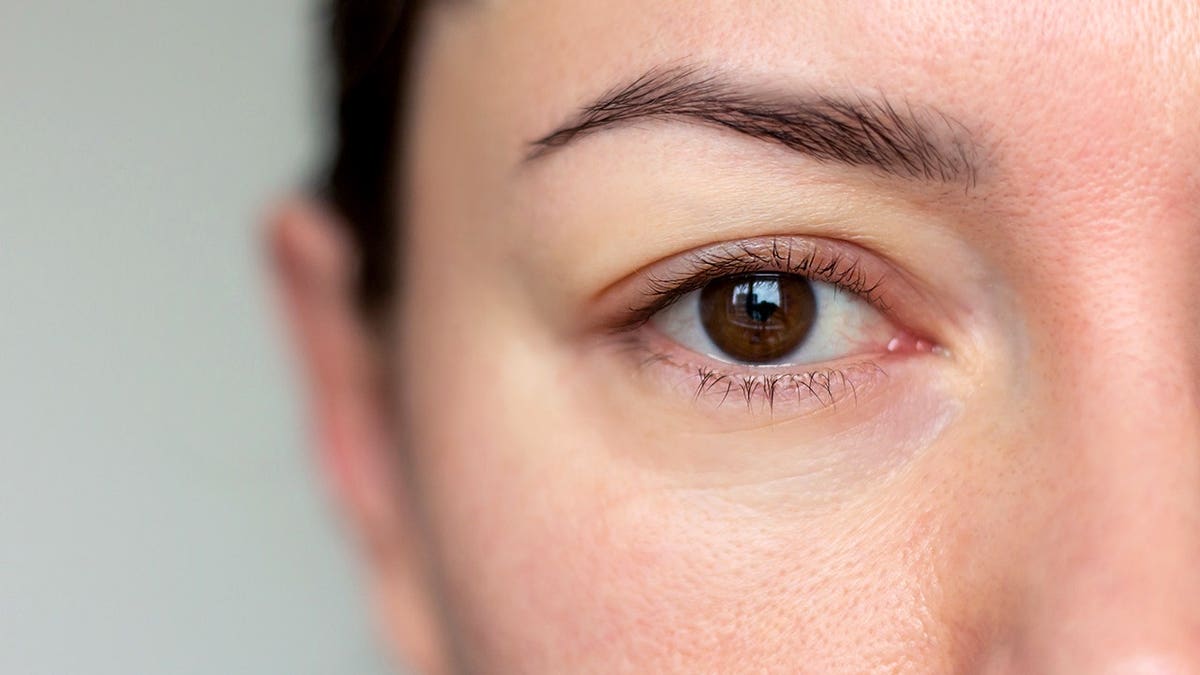
People who don't sleep well have fluctuations in their circulation at night, which can impact eye health. (iStock)
Staying hydrated helps keep the cornea properly moisturized, he said. "We always tell our patients, particularly in the summer, if they're going out on a hot day … make sure to hydrate, because not only will it dry out the body … but it can dry out your corneas."
TEST YOURSELF WITH OUR LATEST LIFESTYLE QUIZ
No. 5: Getting poor sleep
Getting adequate sleep helps support overall health, and there’s "good evidence" that patients who don’t sleep well, particularly those with sleep apnea, may experience increased eye pressure, according to Lazzaro.
People with sleep apnea also appear to face higher rates of glaucoma and certain vascular eye conditions, similar to their increased cardiovascular risk, the doctor said. "They also have an increased incidence of vascular phenomena in the eye … People who don't sleep well have fluctuations in their circulation at night."
No. 6: Rubbing the eyes
Eye rubbing is considered a risk factor for keratoconus, a progressive eye disease where the cornea begins to dome and bulge out in a cone shape, although experts' opinions differ on whether it can directly cause the disease, according to Lazzaro.
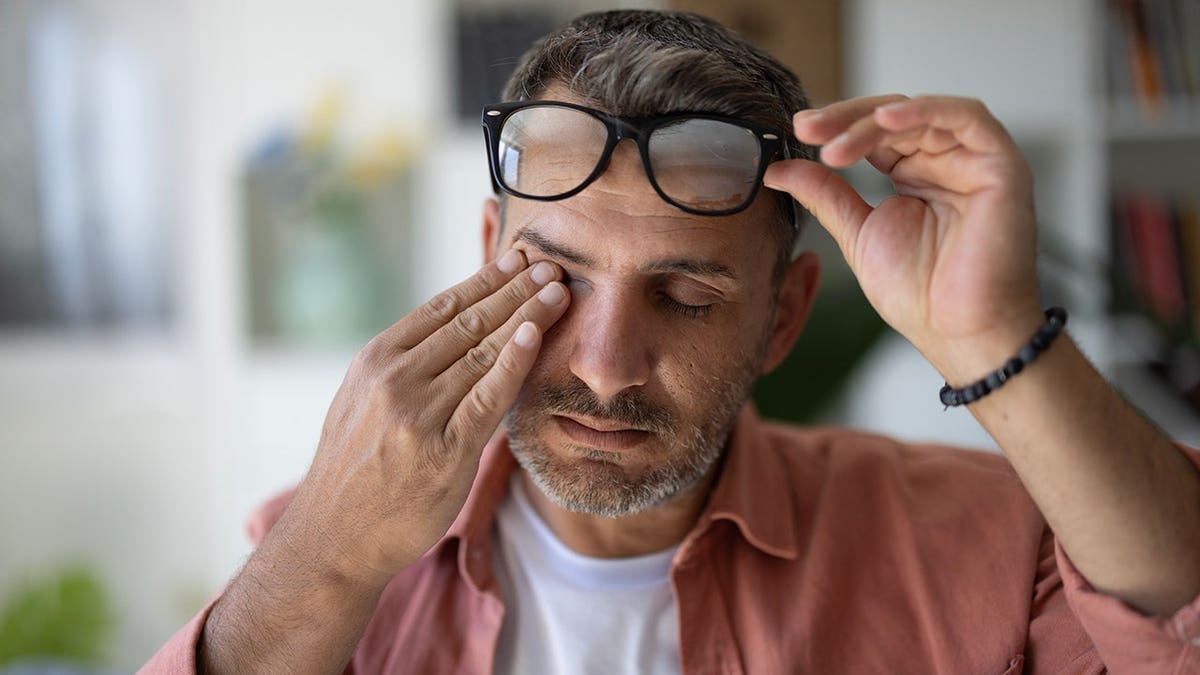
The eye doctor "strongly" advises against rubbing the eyes. (iStock)
Patients with keratoconus often rub their eyes frequently, he noted, and repeated rubbing can potentially change the shape of the cornea — one reason he "strongly" advises against the habit.
CLICK HERE TO SIGN UP FOR OUR HEALTH NEWSLETTER
No. 7: Delaying routine eye doctor visits
Because glaucoma often develops without symptoms, a comprehensive eye exam is frequently the only way to detect it early, Lazzaro said.
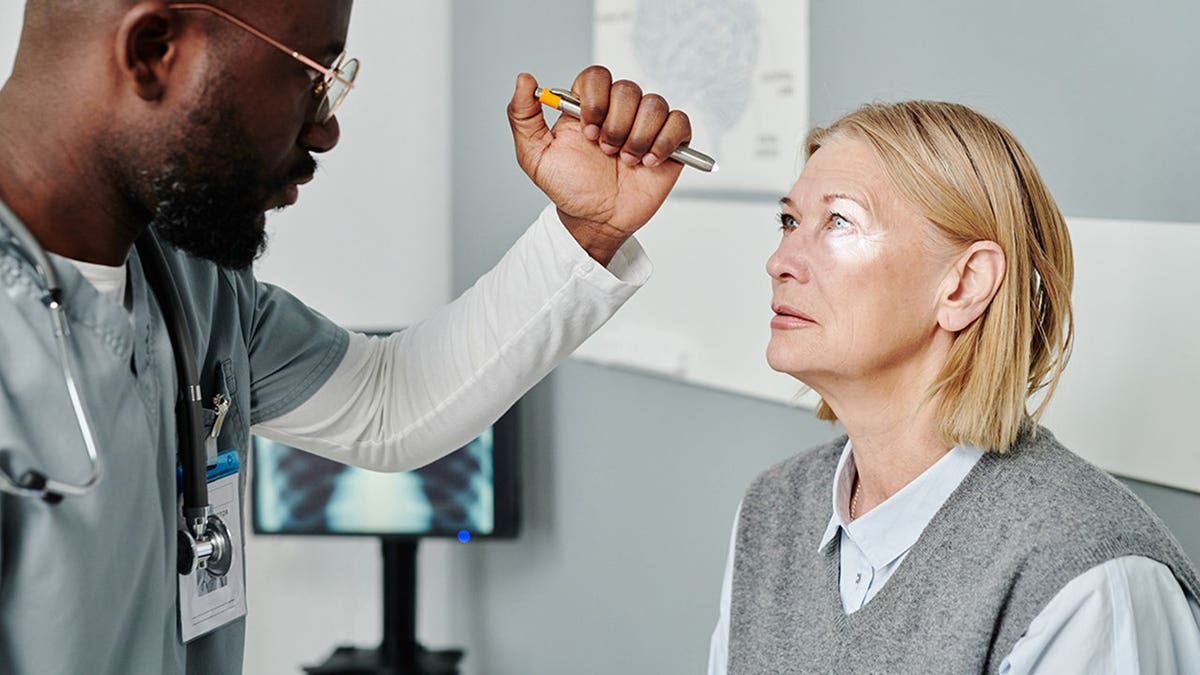
Glaucoma is known as a "silent disease" that can lead to blindness, the doctor noted. (iStock)
Glaucoma is known as a "silent disease" that can lead to blindness, the doctor noted.
CLICK HERE FOR MORE HEALTH STORIES
"Its nickname is 'the silent thief of sight,'" he said. "Sometimes the only way you know you have glaucoma is by going to the ophthalmologist. It’s a disease that we see with increasing frequency as we get older."
Lazzaro recommends that adults get annual eye exams, rather than waiting until age-related vision changes begin. Presbyopia — the gradual loss of the ability to focus on nearby objects — commonly develops in middle age and often leads to the need for reading glasses.
"The only way you know you have glaucoma is by going to the ophthalmologist."
"Patients will come in at some point, usually between 40 and 50, and say they can't see up-close anymore; it happened overnight," he said.
CLICK HERE TO DOWNLOAD THE FOX NEWS APP
Annual visits should also include a scan for skin cancer and eyelid tumors, which occur more frequently with age, the doctor advised.
Sun exposure may contribute not only to cataracts and macular degeneration, but also to cancers of the eyelid, Lazzaro said. "Most of them can be removed locally without a big problem if diagnosed early," he added.
Angelica Stabile is a lifestyle reporter for Fox News Digital.




























/https%3A%2F%2Fsportsmole-media-prod.s3.gra.io.cloud.ovh.net%2Fuploads%2F2026%2F09%2Fmikel-arteta-21-6ab9a6087b35f019707296.jpg)
 Bengali (BD) ·
  English (US) ·